
SPECIAL FOCUS
Crackdown on illegally imported livestock products, extending to retailers and warehouses... Imprisonment penalties to be pursued for distribution
Rep. Kim Yong-tae Proposes Amendment to the Infectious Diseases Prevention Act
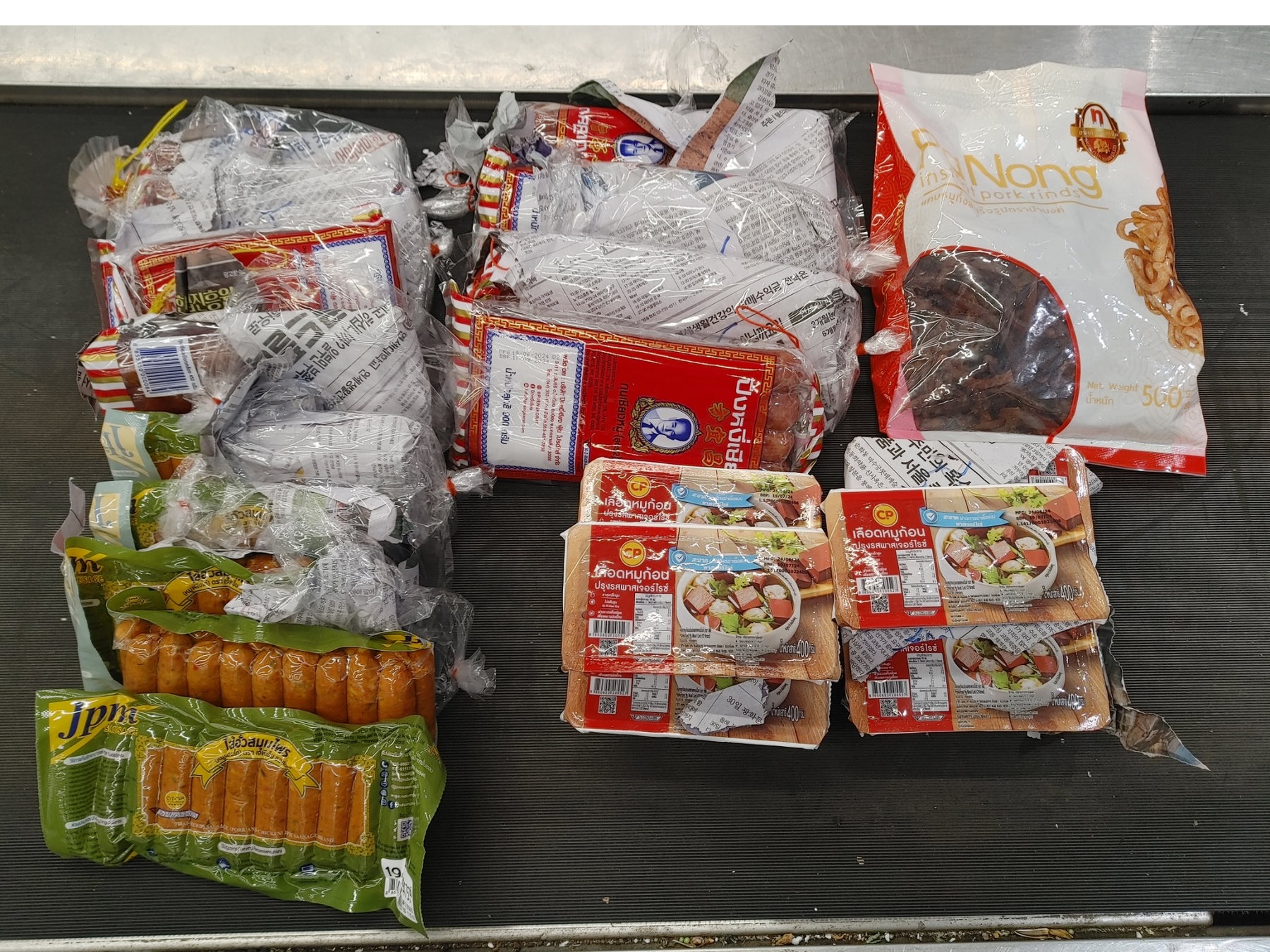
If pork or sausages banned from import are sold in domestic grocery stores, who can crack down on them? A bill to expand the authority of animal quarantine officers has been submitted to the National Assembly to address the situation where illegal livestock products pass through airport and seaport inspections and flow into domestic sales networks.
The "Partial Amendment to the Infectious Diseases Prevention Act," introduced by Representative Kim Yong-tae of the People Power Party (Pocheon-Gapyeong, Gyeonggi Province) on October 1, isClarify the legal basis to allow animal quarantine officers to directly inspect distribution sites, such as domestic sales outlets, storage warehouses, and transport vehicles, and prohibit the domestic distribution of livestock products banned from import.It contains the content of...
The Korea Pork Producers Association issued a statement on October 14 welcoming the proposal of this amendment and urging its swift passage through the National Assembly.
Foot-and-mouth disease genes detected in sundae and sausages from China… Confirming the importance of border quarantine
Livestock products banned from domestic import are directly linked to the prevention of infectious animal diseases. On May 26, the Animal and Plant Quarantine Agency [investigated] two cases of sundae and sausage brought in by a traveler who entered Incheon International Airport from ChinaFoot-and-mouth disease virus type O geneIt was announced that [it] was detected.
The items in question were detected using quarantine detection dogs and specialized X-ray scanners, and were entirely disposed of and disinfected. Although viral genes were confirmed in a detailed examination,No live viruses were detected.This case should not be interpreted as a domestic outbreak of foot-and-mouth disease.
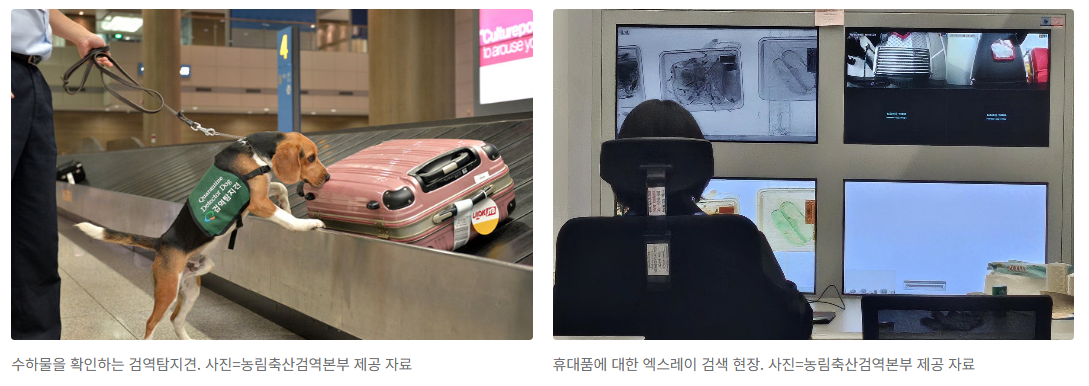
The problem arises after illegal livestock products that have evaded quarantine enter the country. The rationale for this amendment explains that animal quarantine officers, in conjunction with the Ministry of Food and Drug Safety, inspected foreign grocery stores and found that livestock products prohibited from import were actually being sold, citing instances where the goods were subsequently destroyed.
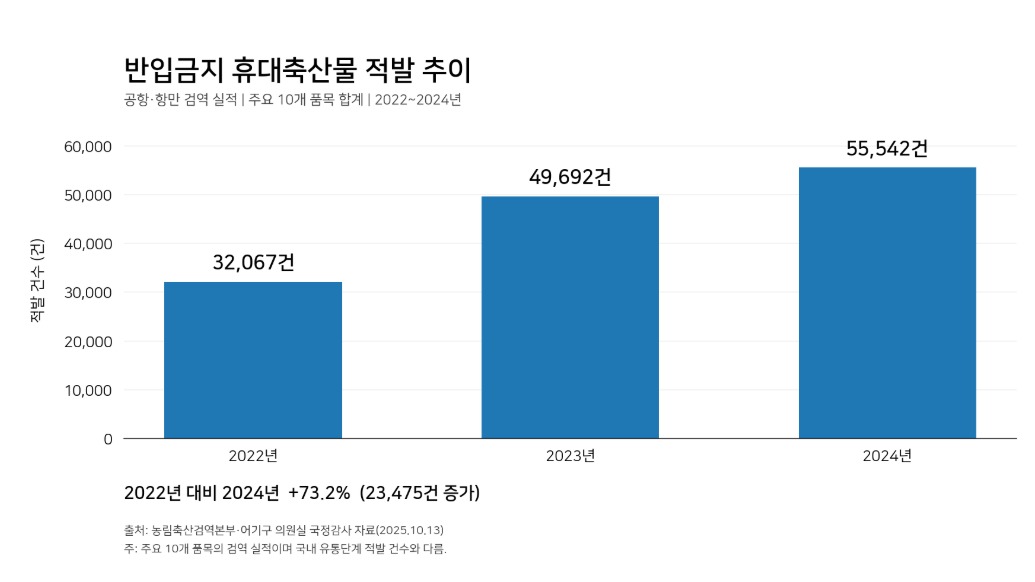
Detection of major prohibited portable livestock products increased by 73.2% in two years
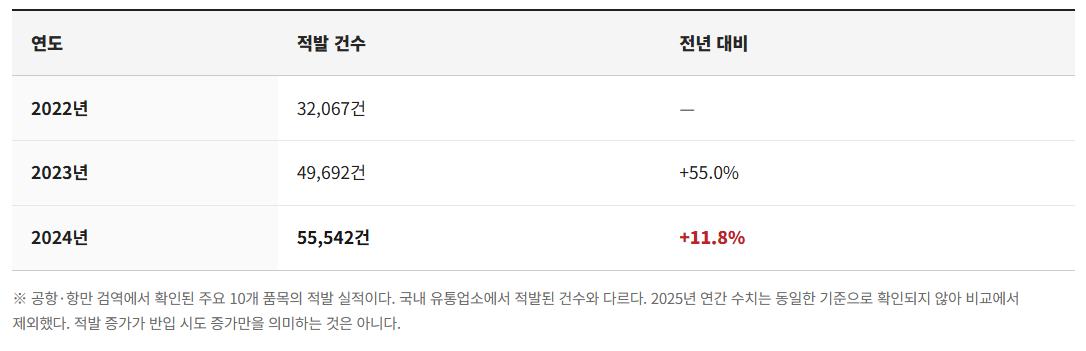
According to the quarantine performance of the top 10 portable livestock products submitted to the National Assembly by the Animal and Plant Quarantine Agency, the number of detected cases increased from 32,067 in 2022 to 49,692 in 2023 and 55,542 in 2024. Compared to 2022, there were 23,475 cases in 2024, and73.2% increaseIt is a figure.

What are the loopholes in the current law? ... Authority of quarantine officers specified at domestic sales sites
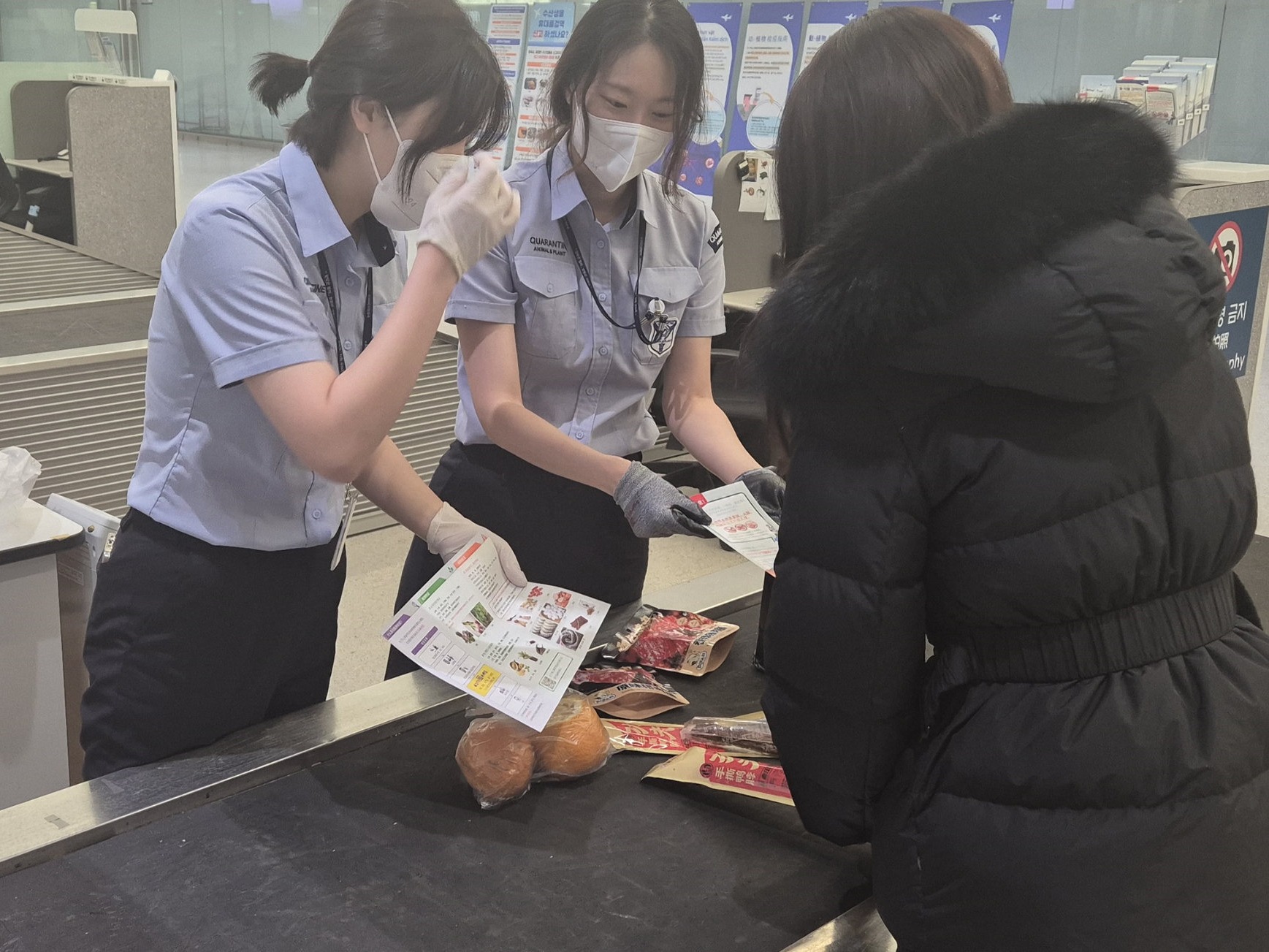
Article 30 of the current Act on the Prevention of Infectious Diseases in Livestock stipulates that animal quarantine officers may enter places related to designated quarantine items, such as ships, aircraft, automobiles, trains, and bonded areas, and inspect goods and packaging materials. Although there is also a comprehensive provision regarding “other necessary places,”It is unclear regarding independent enforcement authority over general retailers and storage warehouses where livestock products prohibited from import are distributed.It has been pointed out that...
The amendment specifies offices, sales outlets, storage facilities, warehouses, and repositories that are places of distribution, as well as means of transport carrying prohibited goods, as places subject to entry. In addition, it establishes the authority to inspect ledgers and documents related to distribution.
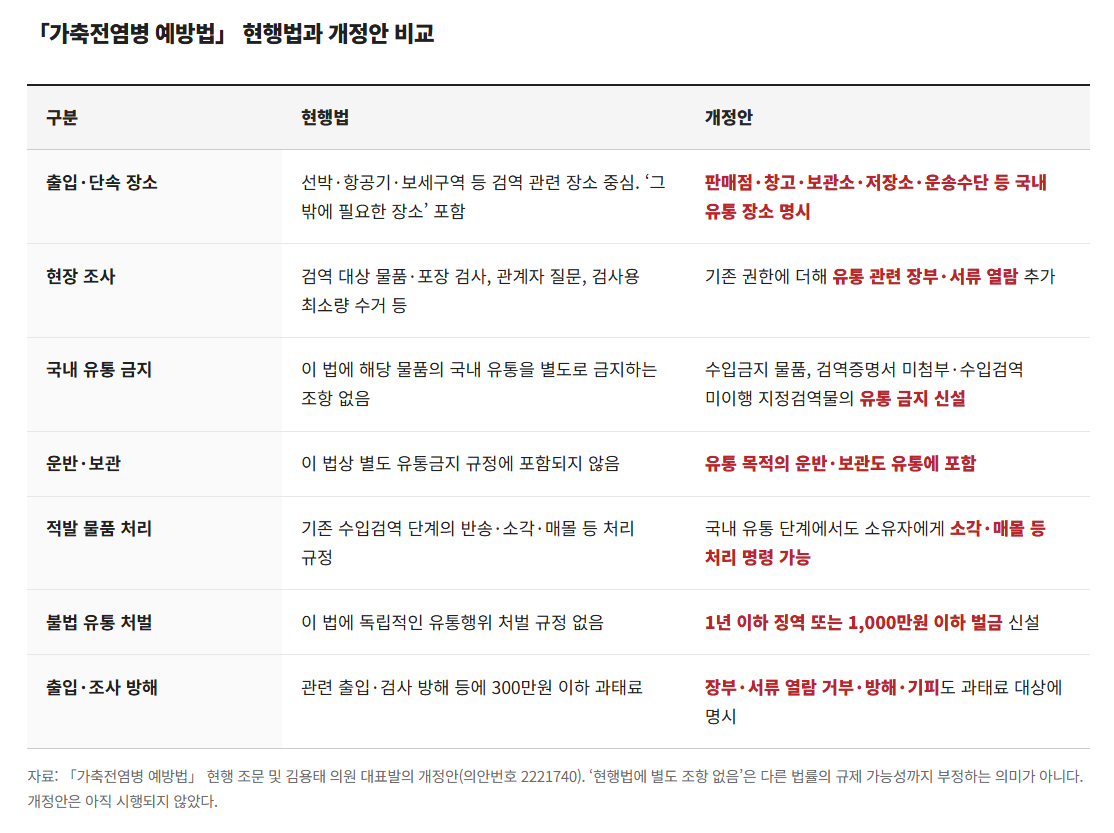
Let's ensure that investigations extend beyond detection at airports and seaports to the domestic sales, storage, and transportation stages.
The core purpose of this bill
It is not just sales that are prohibited… Storage and transportation for distribution purposes are also subject to punishment.
The amendment introduces Article 34-2 to prohibit the domestic distribution of prohibited import items and designated quarantine items that lack the necessary quarantine certificates or have not undergone import quarantine. Here, the term ‘distribution’ includesIt also includes acts of transporting or storing for the purpose of distribution.It works.
If this is violated, pursuant to Article 57Imprisonment for up to one year or a fine of up to 10 million wonThe content of the amendment is to allow for the imposition of [penalties]. This is a separate punishment provision for domestic distribution activities, distinct from the existing punishment for illegal import activities.
Quarantine officers may order the owners of seized goods to dispose of them through methods such as incineration or burial, and existing regulations shall apply to the relevant disposal procedures. As the bill is still under review by the National Assembly, these penalties and authority will not apply as new regulations prior to the passage and enforcement of the law.
Korea Pork Producers Association: “It is difficult to prevent illegal overseas livestock products relying solely on farm quarantine efforts”
The Korea Pork Producers Association (Chairman Lee Ki-hong) actively welcomed the proposal of this amendment through a statement on October 14. The association expressed concern that as the influx of goods from overseas, such as through international mail, increases, the risk of illegal distribution within the country of livestock products banned from import from countries with outbreaks of infectious animal diseases, such as foot-and-mouth disease, is growing.
It was pointed out that cases of livestock products banned from import being sold, particularly in foreign grocery stores, demonstrate the need to strengthen disease control management at the domestic distribution stage; furthermore, failure to block distribution in advance increases the risk of the introduction of malignant animal infectious diseases such as Foot-and-Mouth Disease and African Swine Fever (ASF), potentially causing significant economic damage to farms.
The association maintains that just as farmers are striving for biosecurity measures such as controlling farm access and disinfection, the government must also step forward with effective management and strict responses to illegal livestock products. While emphasizing cooperation among relevant agencies and a rapid enforcement and disposal system,Urging the swift passage of the amendment bill through the National Assemblydid.
The bill is currently in the standing committee review stage… The actual enforcement system is a follow-up task.
The bill proposed by Representative Kim Yong-tae was submitted to the National Assembly on October 1 and referred to the Agriculture, Food, Rural Affairs, and Fisheries Committee on the 2nd. As of October 17, it is in the standing committee review stage, and a specific processing schedule has not been finalized. The bill must undergo review by the standing committee, the Legislation and Judiciary Committee, and a vote in the plenary session.
Even if the law is amended, for it to be truly effective, it must be followed by personnel to investigate distribution sites, a division of roles among relevant agencies, and procedures for the prompt disposal of violating goods. In particularA system that distinguishes, manages, and discloses cases detected at the border and cases detected at domestic distribution sites.It can also be pointed out that it is important.
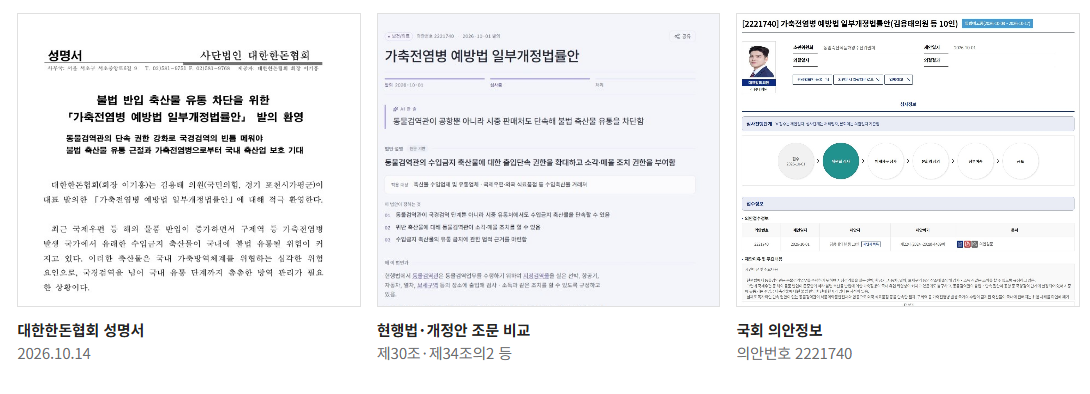
Materials and related original texts
Comparison of Current and Amended Provisions of the "Partial Amendment Bill to the Infectious Diseases Prevention Act"(Bill No. 2221740)
Animal and Plant Quarantine Agency, ‘Foot-and-Mouth Disease Gene (Type O) Detected in Rejected Portable Livestock Products’(May 26, 2026)
National Assembly Audit Data from the Animal and Plant Quarantine Agency and Rep. Eo Gi-gu's Office(October 13, 2025, Statistics on Top 10 Items)
Korea Pork Producers Association, Statement Welcoming the Proposal of the Partial Amendment to the Infectious Diseases Prevention Act to Block the Distribution of Illegally Imported Livestock Products (October 14, 2026, Provided by User)
※ This article is based on proposed bills and publicly available statistics as of October 17, 2026. The contents of the amendment are subject to change during the National Assembly's deliberation process. The source and terms of use of the published photos are verified based on data from the original providers.
- #축산물
- #정책
- #유통
Related Content
SPECIAL FOCUS
Chicken Supply Rises, But Cuts Are Short… Mixed Supply and Demand Battle Amidst November Price Drop
The broiler market in November is expected to face increasing downward price pressure due to the rise in slaughter volume. However, it is difficult to conclude that the overall supply and demand in the chicken market has become sufficient based solely on the increase in supply.
2026.11.6
SPECIAL FOCUS
U.S. Government to Purchase $41 Million in Pork… Supporting Market Stabilization for Agricultural, Livestock, and Fisheries Products
The U.S. Department of Agriculture (USDA) announced a plan to purchase agricultural and fishery products worth a total of $472.5 million, including $41 million in pork and $20 million in chicken.
2026.11.1

SPECIAL FOCUS
Pork trotters restaurants have changed, but the raw material market remains the same… What is the way out for domestic pork trotters?
The fact that domestic pig's trotters are not selling does not mean that consumption of pig's trotters has disappeared. The issue lies in how well the market supplying the raw materials has kept pace with the changes in how consumers select and order pig's trotters.
2026.10.29