
Issues & Insights
Newcastle disease in supply region for one-third of Brazilian chicken bound for Korea... Import disruption a variable
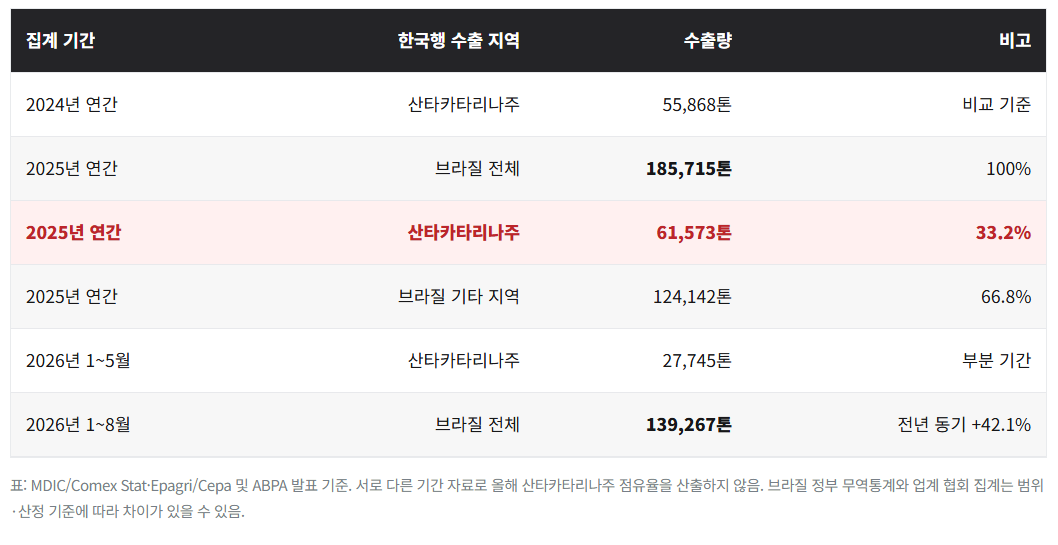
Occurred in Santa Catarina State, which accounted for 33.2% of Brazilian chicken shipped to Korea last year
An outbreak of Newcastle disease in Santa Catarina state, a major chicken export region in Brazil, has introduced a disease control variable into the international poultry trade. With Mexico suspending imports of Brazilian poultry products, attention is focused on South Korea's quarantine response and the impact on future supply as the country imports chicken from this region.
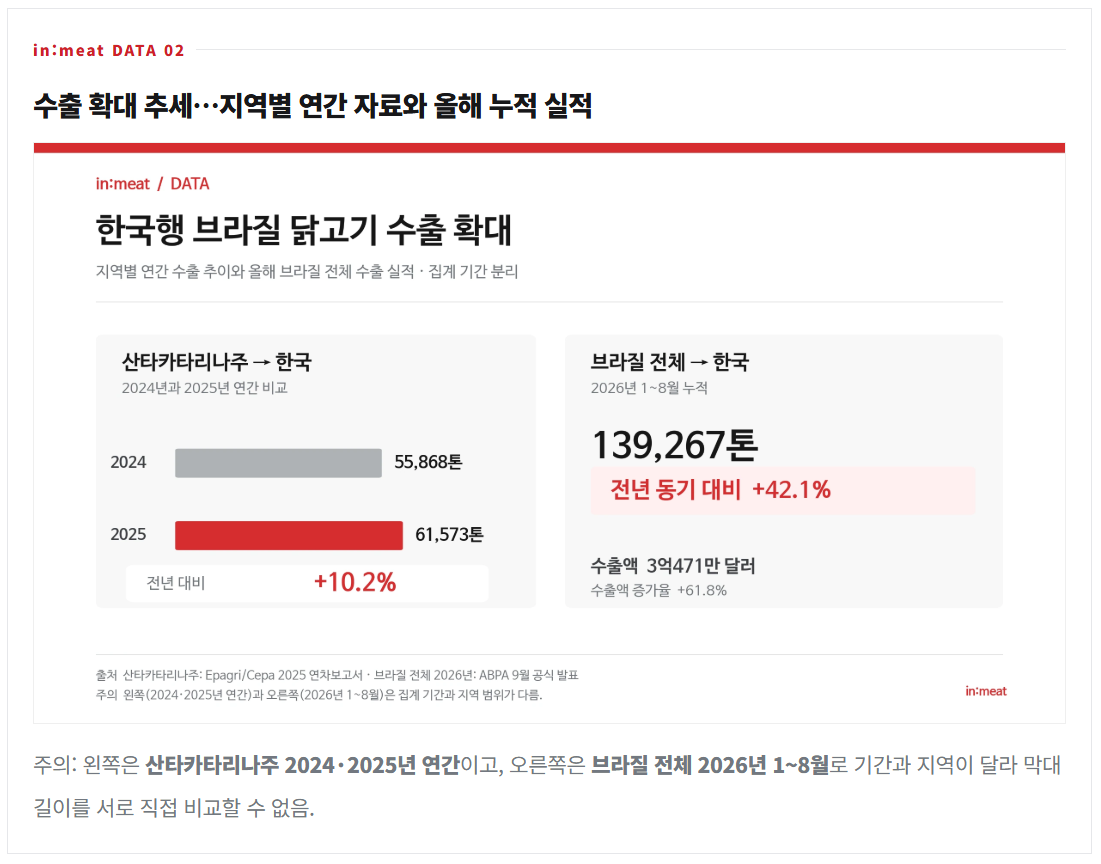
According to the Brazilian Animal Protein Association (ABPA), Brazil's chicken exports to Korea from January to August this year were139,267 tonsCompared to the same period last year42.1%It has increased. Santa Catarina State, where Newcastle disease was confirmed this time, supplied about one-third of the Brazilian chicken exported to Korea last year. However, the mere fact of the Newcastle disease outbreak does not mean that exports from the entire region will be suspended, and the actual impact will vary depending on quarantine measures by country.
Newcastle disease confirmed at turkey farm… 133 surrounding farms under surveillance
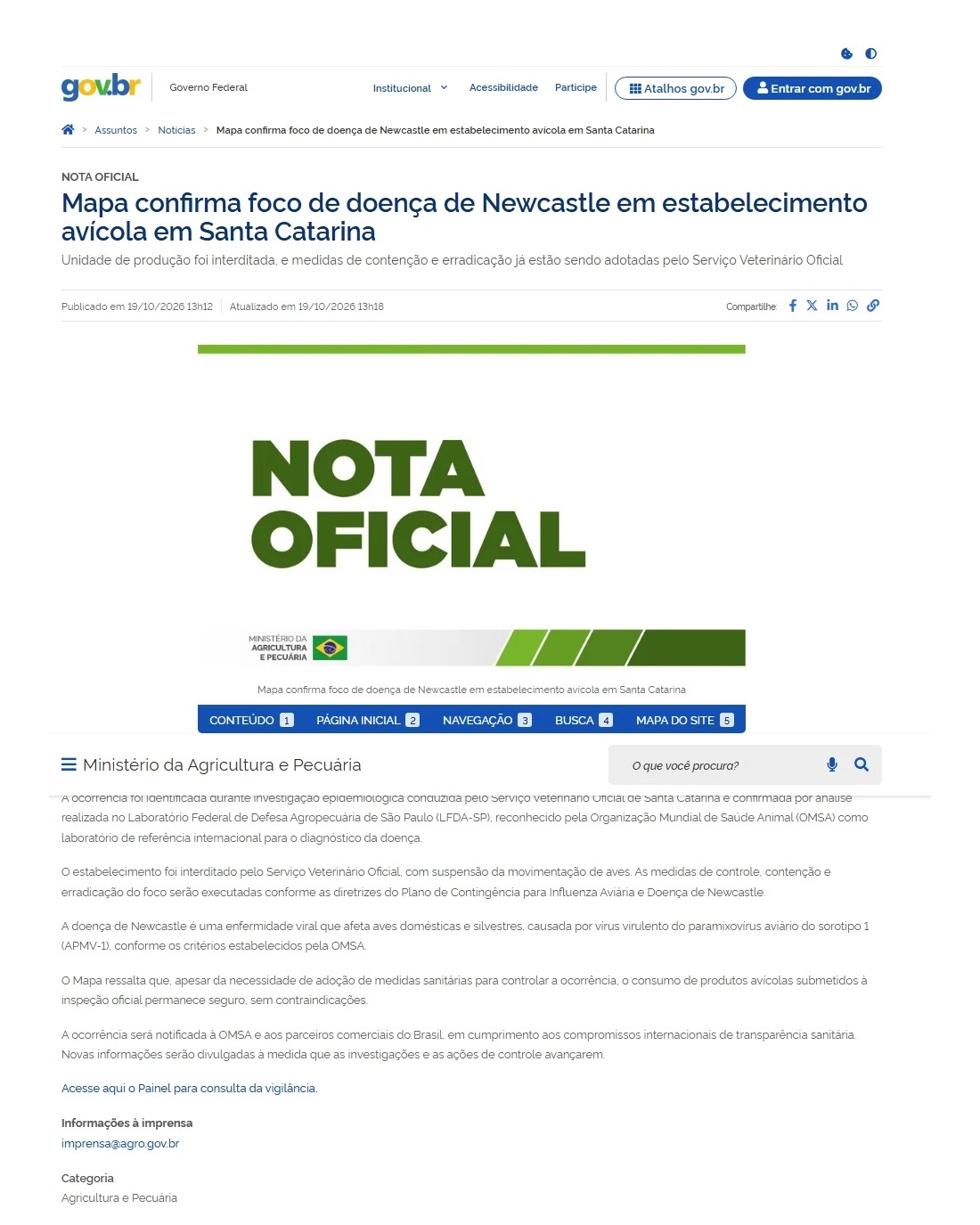
The Brazilian Ministry of Agriculture and Livestock (MAPA) on the 19th [regarding] commercial in Nova Itaberaba, Santa Catarina stateBroiler turkey farmIt was announced that Newcastle disease had been confirmed. The official date of confirmation is the 18th.
Approximately 6,000 turkeys were being raised at the affected farm. The Brazilian government decided to ban the movement of poultry from the farm and carry out quarantine measures such as culling and disinfection. Epidemiological surveillance is also being conducted on about 133 farms in four regions adjacent to Nova-Taberaba, including Coronel Freitas, Nova Eresim, and Aguas Frias.
The Brazilian Ministry of Agriculture and Livestock on the 19thMAPA Order No. 962Through this, in four cities of Santa Catarina State, including Novaita Veraba, Aguas Frias, Coronel Freitas, and Nova Eresing60-day livestock disease control emergencyIt declared [the measure]. This is an administrative measure to strengthen disease control measures in the affected area and surrounding regions, and does not mean a suspension of chicken imports to Korea for the entire state of Santa Catarina.Related command original text ↗
The government stated that turkeys from the affected farm were not shipped out for meat consumption. It also explained that, regardless of the disease control significance of this incident, there are no issues with the safety of consuming poultry meat that has undergone normal official hygiene inspections.
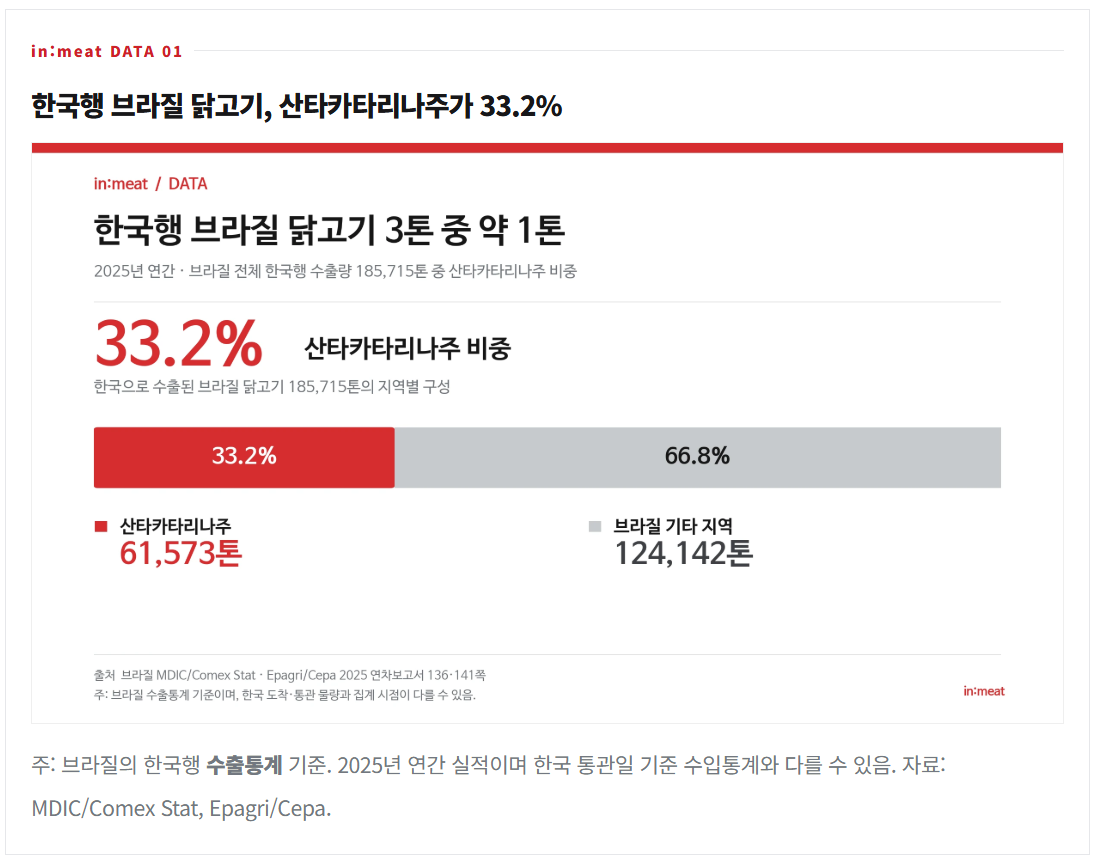
One ton of the three tons of Brazilian chicken destined for Korea was supplied by Santa Catarina state last year.
The reason this outbreak is not unrelated to the Korean import industry is that Santa Catarina State is a major chicken supply region for Korea. According to the Epagri/Cepa annual report, which utilizes the Brazilian government's trade statistics (Comex Stat),Brazil's total chicken exports to Korea in 2025 will be 185,715 tonsIt was. Among theseThe volume for Santa Catarina state is 61,573 tonsby 33.2%occupied.

Chicken exports from Santa Catarina to Korea continued this year as well. The performance figures for January to May 2026 released by Epagri/Cepa are27,745 tons, export amount is$66.09 millionC. Korea was the fifth-largest market in terms of total chicken exports to Santa Catarina during the same period.
This figure represents the volume of chicken exported to Korea from the entire state of Santa Catarina,It does not refer to the volume of chicken exported to Korea from farms or their vicinity where Newcastle disease occurred.
Brazilian chicken exports to Korea increased by 42.1% this year
The upward trend in Brazilian chicken exports to Korea is also evident this year. According to data released by ABPA in September, the export volume to Korea from January to August this year is139,267 tonsCompared to the same period last year42.1% increaseExports increased by 61.8% to $304.71 million.
Mexico restricts imports from all of Brazil, and China restricts imports from Santa Catarina state.
Mexico's Ministry of Agriculture and Rural Development (SADER) and the Agency for Sanitary Safety and Quality of Agricultural Products (SENASICA) announced on the 19th that they are suspending imports of Brazilian poultry products due to the outbreak of Newcastle disease in Brazil. The import restrictions include poultry meat and by-products, hatching eggs, and day-old chicks within three days of birth.
Mexico is a major importer of Brazilian chicken. According to Brazil's Comex Stat, Brazil's chicken exports to Mexico amounted to approximately 242,833 tons last year. Therefore, if Mexico's complete suspension continues, it could become a significant trade variable for the Brazilian poultry industry.
China's measures have also been confirmed. Augusto Billi, head of trade and international relations at Brazil's Ministry of Agriculture and Livestock, told CNN Brasil on the 20thChina announced that it would apply import restrictions to poultry from Santa Catarina state, not to all of Brazil.[He/She] stated. According to the Brazilian government's explanation, the state's China export-approved workshop14 placesThis falls within the sphere of influence and accounts for approximately 23% of the total 61 China export-approved workplaces. Further verification is required regarding the Chinese government's separate original official document and detailed implementation conditions.
Korean quarantine standards apply to both the 10km radius of the farm and the location of the export processing plant.
In Korea, separate import sanitary conditions apply to poultry meat from Brazil. According to Article 4, Paragraph 2 of the “Import Sanitary Conditions for Poultry Meat and Poultry Products from Brazil,” there must be no outbreaks of low-pathogenic avian influenza or Newcastle disease for three months prior to slaughter in an area within a 10km radius of the poultry farm used to produce the exported poultry meat.
HereArticle 5, Paragraph 4Workplaces exporting to Korea are subject to the animal infectious diseases listed in Article 4It must not be located within the infected area.Therefore, one should not only examine the 10km non-infection condition of the breeding farm, but also verify whether the location of the export facility is included in the official infection area and how the Korean quarantine authorities apply that scope. Based on this regulation, it cannot be concluded that exports to Korea from the entire state of Santa Catarina or specific export facilities should be suspended.
The area within a radius of 10 km centered on the poultry farm used to produce poultry meat, etc., must not have had any outbreaks of low-pathogenic avian influenza or Newcastle disease for 3 months prior to the slaughter of poultry.
Ministry of Agriculture, Food and Rural Affairs Notice · Article 4, Paragraph 2
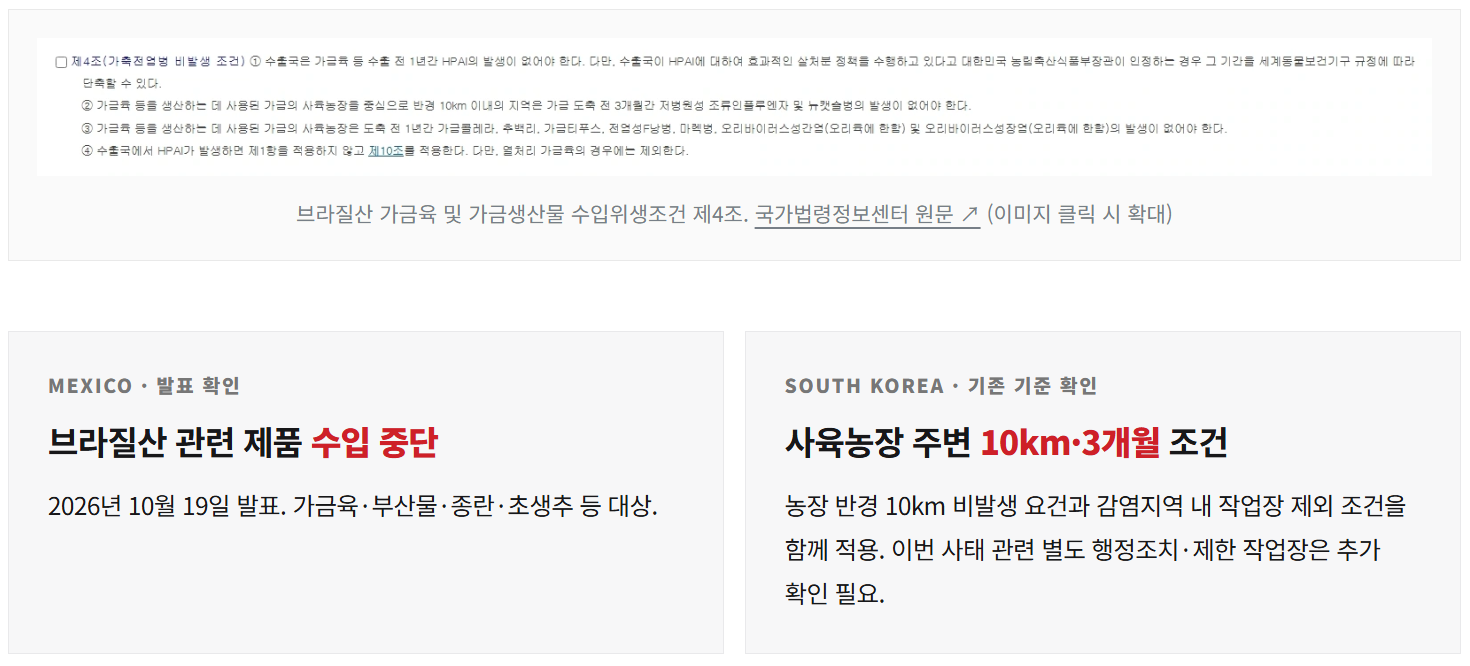
In particular, the 10km radius is not an export workplaceFarms raising poultry for slaughterIt is judged based on [this]. Separately, restrictions on the location of infected areas apply to export workplaces. The actual impact on exports to Korea depends on the official judgment of the Korean quarantine authorities and whether the quarantine requirements for each relevant farm or workplace are met.
As of October 20, the scope of the South Korean government's new import ban and the list of restricted workplaces resulting from the recent Newcastle disease outbreak have not been confirmed. The impact on export volumes bound for Korea can also only be assessed by verifying the actual measures taken by quarantine authorities and the supply chains of individual workplaces and breeding farms.
Whether there are supply disruptions depends on the actual scope of quarantine restrictions.
If restrictions are applied only to certain areas surrounding the affected farms, the impact on domestic imports may be limited. On the other hand, if major export processing plants bound for Korea are subject to quarantine restrictions, there is a possibility that contract volumes and shipment schedules will be affected. While Mexico's complete suspension and China's restrictions on Santa Catarina state demonstrate that the scope of response varies by importing country,The scope of China's restrictions should not be immediately applied to Korea as well.
however Past statistics showing that Santa Catarina State supplied 33.2% of Brazilian chicken destined for Korea do not mean that the expected share of import disruptions is 33.2%.This is merely a statistic showing the region's trade importance; the actual volume subject to quarantine restrictions must be verified separately.
The key is not the proportion of exports to Korea from the affected regions, but which breeding farms and export facilities the actual import restrictions apply to.
Key points to watch going forward are whether the Korean quarantine authorities take additional measures, the shipment status of Brazilian exporters, and whether the disease spreads in the region.
// Fact check
① The place of origin is Novaita Veraba, Santa Catarina StateTurkey farmIt is. Some foreign articles referred to it as a 'broiler farm,' but this differs from the official confirmation by the Brazilian government.
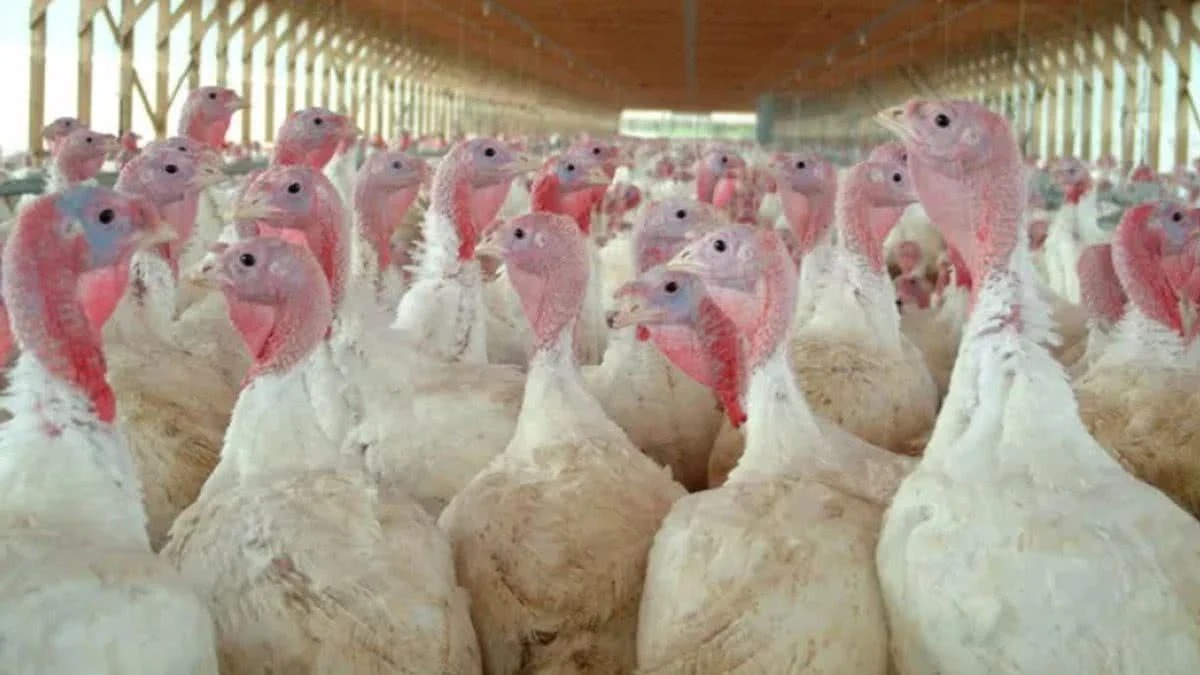
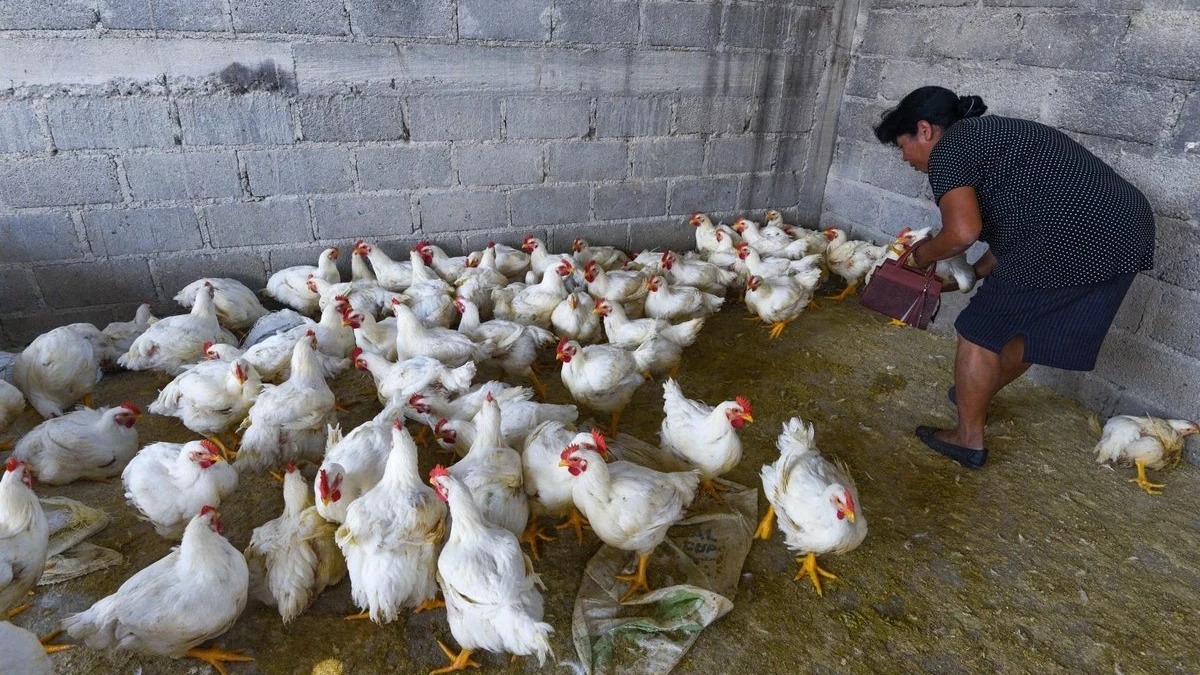
② The inserted photos of poultry farming are reference photos and are not photos of the infected farm site.
③ It is not concluded that an import ban has already been imposed in Korea.
④ The statistics are 'Brazil's export volume to Korea' and distinguish the expression from Korean customs clearance import statistics.
Source of original text and statistics
- #수입육
- #축산물
- #유통
Related Content
SPECIAL FOCUS
Chicken Supply Rises, But Cuts Are Short… Mixed Supply and Demand Battle Amidst November Price Drop
The broiler market in November is expected to face increasing downward price pressure due to the rise in slaughter volume. However, it is difficult to conclude that the overall supply and demand in the chicken market has become sufficient based solely on the increase in supply.
2026.11.6
terrestrial broadcast
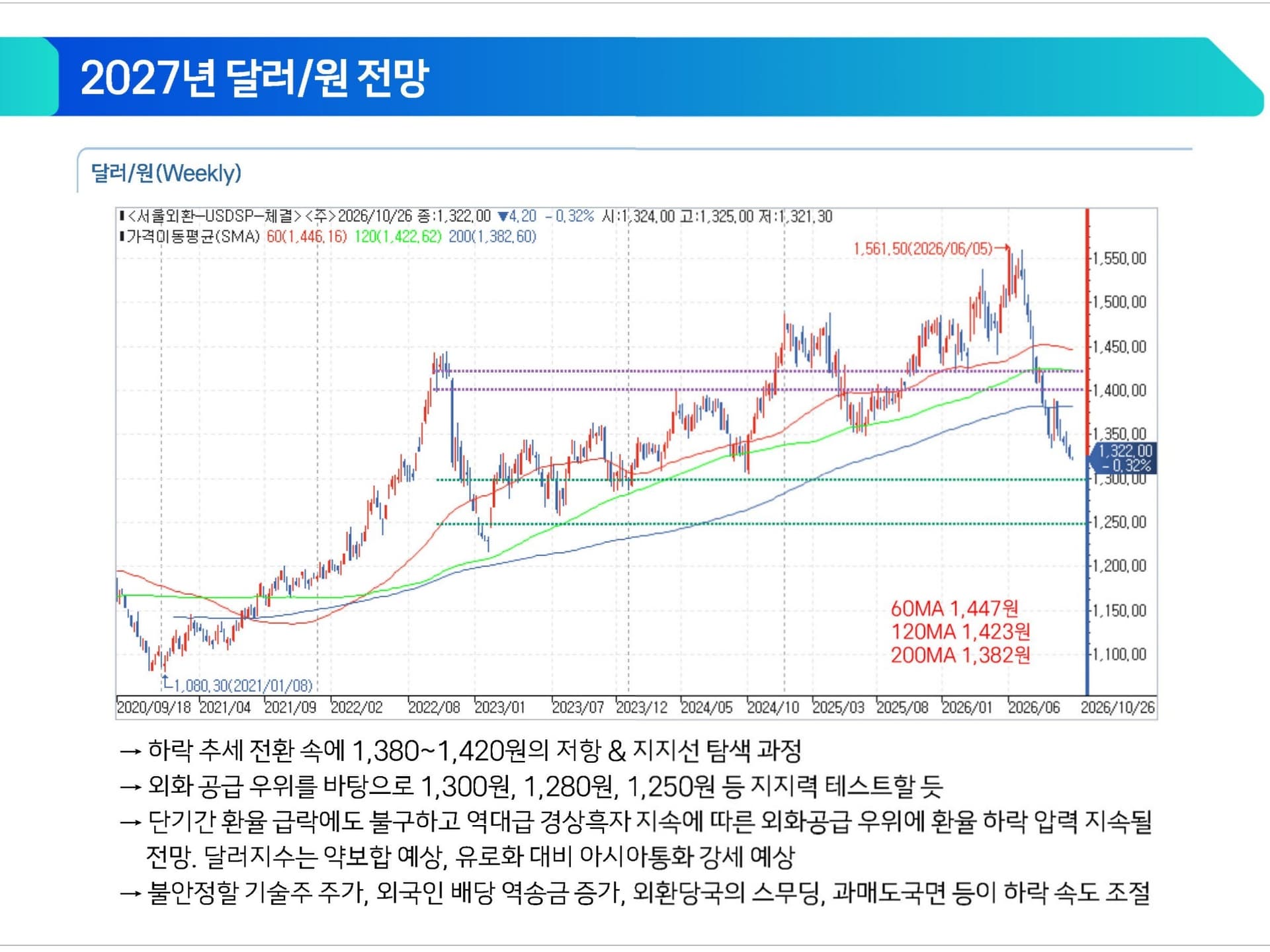
Dollars piling up in Korea… Will the exchange rate head below 1,300 won next year?
If the power to earn dollars is stronger than the demand to buy them, how low will the exchange rate fall? For Jung Mi-young, Director of the Research Center at Samsung Futures, who looks ahead to next year's won-dollar exchange rate, the starting point is the volume of dollars flowing into Korea.
2026.11.2
Issues & Insights
Japan Begins Review of ASF Localization for Spanish Pork
The Japanese government is officially reviewing whether to apply "zoning," a system that classifies risk levels by region, to Spanish pork imports that have been suspended due to the outbreak of African Swine Fever (ASF).
2026.11.2