
People: MEAT
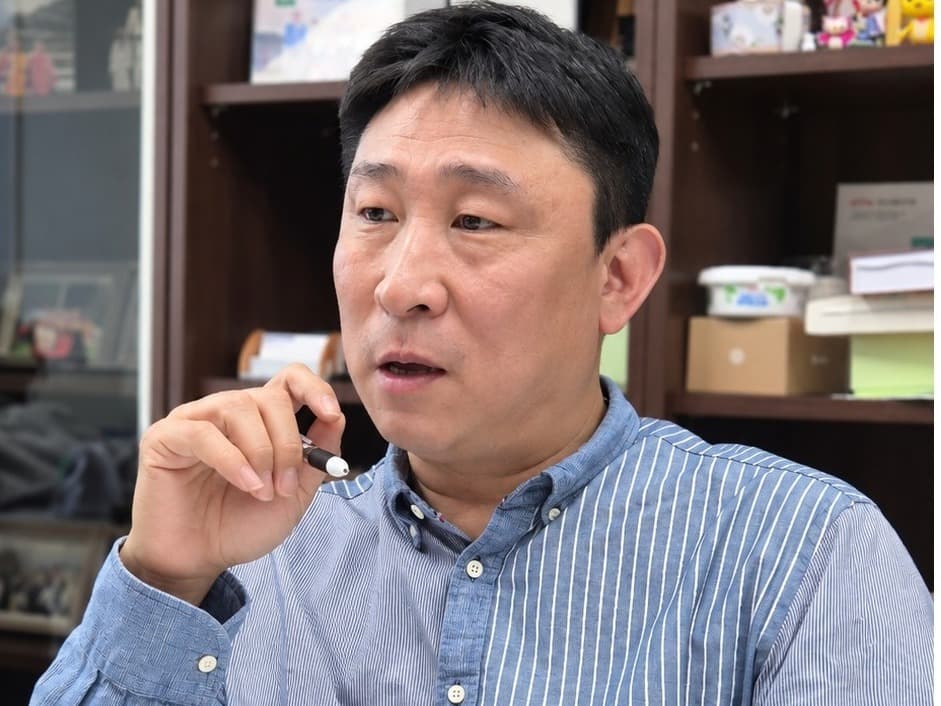
“I wanted to properly introduce the excellence of Hanwoo and Handon to the world.” – Cho Chul-hoon, Professor, Department of Food and Animal Biotechnology, College of Agriculture and Life Sciences, Seoul National University (Chairman of the ICCoMST 2026 Organizing Committee)
Hosting in Korea for the first time in 16 years: A three-year preparation process from bidding to securing sponsorship
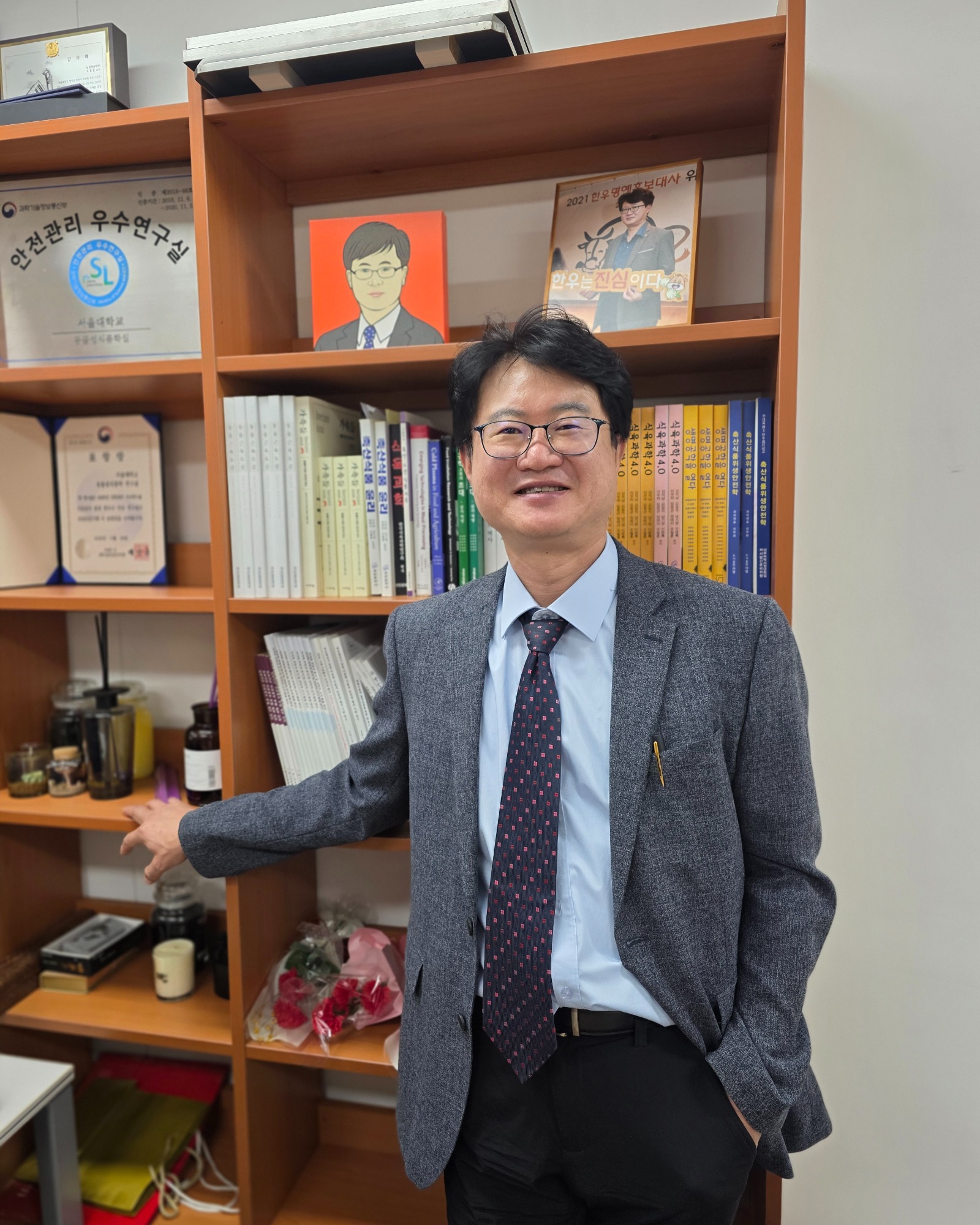
Global meat science researchers and industry gather in one placeThe 72nd International Congress of Meat Science and Technology (ICoMST 2026)The event was held in Daejeon from August 9 to 14. With approximately 800 participants from 40 countries according to official records, this competition marked the first time Korea hosted the event in 16 years since Jeju in 2010. We asked Organizing Committee Chairman Cho Cheol-hoon, who has been preparing for the event, about everything from the process of securing the host city to the significance of introducing Hanwoo and Handon to the world stage, and the relationship between the meat industry and future food technology.

Q.Korea hosted the World Congress on Meat Science and Technology again for the first time in 16 years since the 2010 Jeju大会. What was the background behind Korea being selected as the host country among several competitors?
A.The International Council on Meat Science and Technology (ICoMST) selects the next host city at a national representative meeting attended by representatives from each country, and usually decides the host city up to five years in advance.
At the 2018 conference in Melbourne, Australia, Chairman Joo Sun-tae first conveyed Korea's intention to host the event in 2026. During the 2019 conference in Potsdam, Germany, where I attended the National Representatives Meeting, several countries expressed their interest in hosting, and after a competition between Canada and Korea, Korea was ultimately selected as the priority host city.
Many members had a vivid memory of the 2010 Jeju conference. I believe there was also great anticipation to see how much Korea’s meat science and industry had developed over the past 16 years. Although there were difficulties in holding various conferences online or in a hybrid online-offline format due to COVID-19, the trust and support of member countries for hosting in Korea continued, and the country was finally confirmed as the host for 2026.
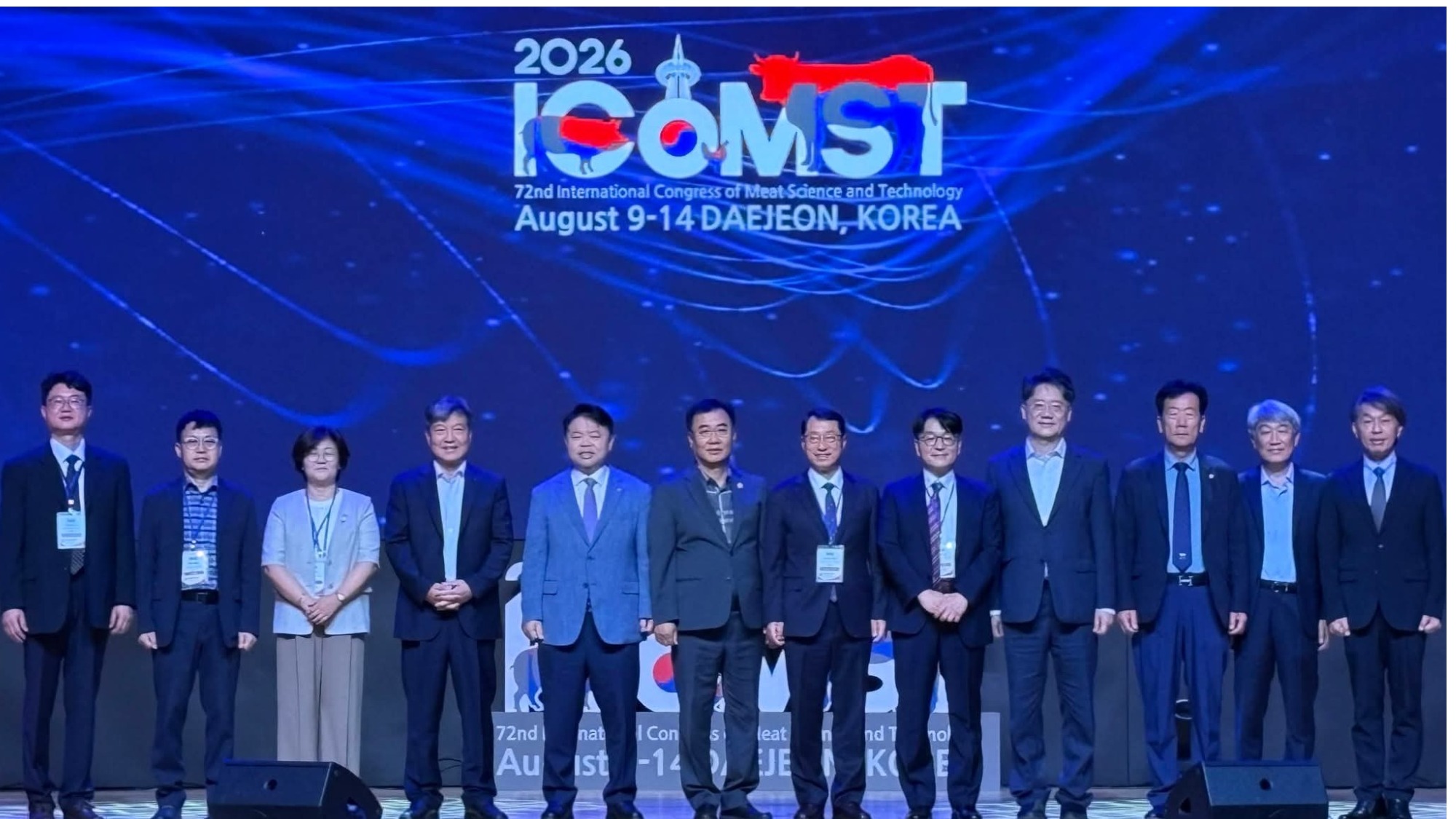
Q.What are the core elements of Korean meat culture and K-Meat that you wanted to showcase to global researchers and industry professionals through this competition?
A.Korea has developed a unique meat culture based on its geographical and historical background. At this conference, we wanted to properly introduce our distinctive Hanwoo and Handon to researchers and industry professionals from around the world.
The Korea Pork Association and the Korea Pork Self-Funding Management Committee prepared Korean pork barbecue for the Monday evening banquet. For the official banquet, the Korean Beef Association and the Korean Beef Self-Funding Management Committee provided Korean beef. We express our deepest gratitude to all those involved who lent their support despite the challenging circumstances.
I hope that through this opportunity, the excellence of Hanwoo and Handon, which have grown based on scientific production and quality control, will become known to the world. Furthermore, I look forward to academic exchanges leading to industrial cooperation, serving as a catalyst for our livestock products to enter more overseas markets.
Q.What was the reason for choosing Daejeon as the venue for the international event instead of Seoul, Busan, or Jeju?
A.When selecting the host city, the purpose of the society, participant convenience, and the budget must be considered together. Seoul and Busan entailed significant costs, and while Jeju offered the advantages of visa-free entry and local government support, it had already hosted the 2010 conference. Consequently, there was a stronger consensus to hold the event in a new city this time.
Daejeon is a representative science city of Korea that aligns well with the nature of the conference. The local government's support conditions were favorable, and the Daejeon Tourism Organization, in particular, provided active cooperation. Taking all these factors into account, the Daejeon Convention Center was selected as the venue for the 2024 conference.
While preparing, we confirmed the advantage of Daejeon as a transportation hub connected to major regions nationwide within approximately two hours. However, I believe that improving transportation guidance and coordination systems to ensure international participants can travel more conveniently from Incheon Airport to the Daejeon Convention Center is a task for the future.
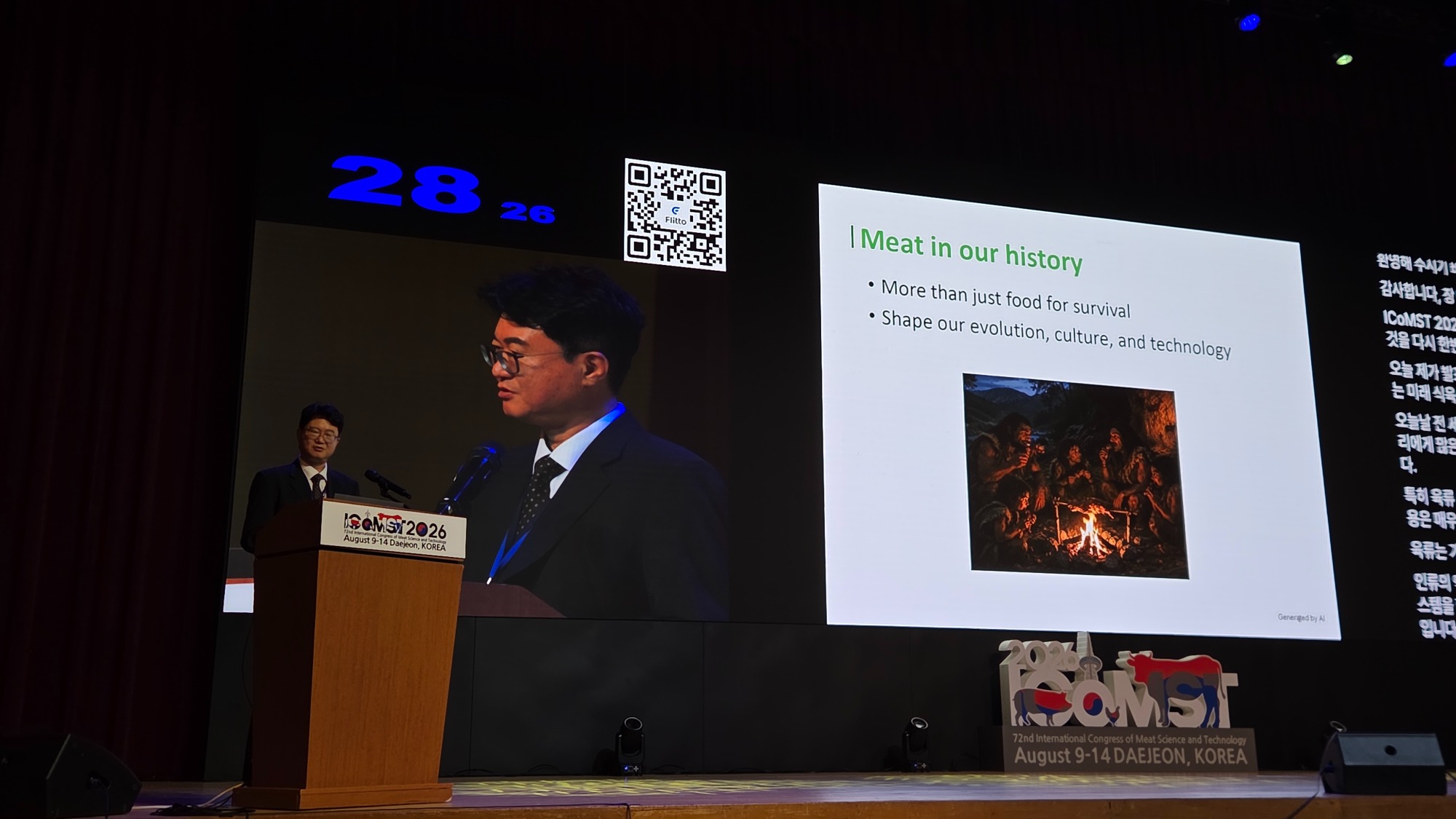
Q.We have adopted the slogan ‘Big Step Forward to the Future Meat.’ At this conference, which encompasses everything from traditional livestock farming to future food technology, what programs did you consider particularly important?
A.ICOMST is an academic society that covers almost all science and technology related to meat, ranging from livestock rearing and animal welfare to slaughter, processing, distribution, quality, safety, functionality, byproduct utilization, and consumer trends.
Traditional meat research forms the core of the society, supplemented by programs that introduce new technologies and research trends. While alternative foods are also consistently discussed, the focus of the society remains the science of meat and muscle.
As the Organizing Committee Chair, I placed particular importance on fields requiring solid basic science, such as meat science, muscle biology, and meat quality. The latest research findings from world-renowned scholars who have led these fields were presented, and in the subsequent ‘Meat in the Future’ session, we took the time to reflect together on the future—the theme of this conference—following the past and present.
The core of the society is still the science of meat and muscle.
We must view future food technology together with a solid foundation of basic science.
Q.What was the most challenging aspect of overseeing an international conference attended by approximately 800 people from 40 countries, based on official figures?
A.The biggest burden was establishing a sponsorship base. While sponsorship from corporations and related organizations is essential for the stable operation of an international academic society, internal and external conditions were unfavorable due to wars in the Middle East and a domestic economic downturn. Although we began preparations three years ago, we were very worried early this year as issues regarding business cooperation and the handover process compounded the problem.
Even in such circumstances, various companies and organizations provided assistance, including those that pledged sponsorship early on such as Sunjin Co., Ltd., Nene Chicken, Easy Bio, the Korea Racing Authority, the Korea Meat Processing Association, and JBT Marel. Government and public institutions, such as the Ministry of Agriculture, Food and Rural Affairs, the Rural Development Administration, the Korea Animal Products Quality Evaluation Institute, and the Korea Food Research Institute, also lent their support.
The professors and researchers of the Korean Society of Animal Science and Food Science, the central organization for ICOMST operations, also participated devotedly despite their busy schedules. Even under limited circumstances, we did our utmost to create an efficient conference that raises both academic standards and participant satisfaction by concentrating our budget and capabilities on essential areas.
Q.The interest and support from the domestic livestock and food industries must have been crucial as well. What were some regrettable aspects regarding industry participation during the preparation process?
A.Members of the Korean Society of Animal Science and Food Science primarily research livestock products and food products. This is because understanding high-quality meat requires not only a food science perspective but also an understanding of how livestock are raised and produced.
While preparing for this conference, the livestock industry showed great interest, but it was somewhat regrettable that participation and support from the food industry were relatively limited. Livestock products and food products account for a significant portion of the domestic food industry. Nevertheless, it feels that the interest of food companies in academic activities in this field is still insufficient compared to its industrial importance.
The research achievements of our society enhance product quality, safety, sustainability, and consumer trust, ultimately leading to corporate competitiveness. Moving forward, we look forward to food companies engaging more actively with livestock and food researchers, and participating broadly in joint research, talent development, and academic events. Our society will also strengthen research and communication to meet the needs of the industry.
Q.Taking this conference as an opportunity, what message would you like to convey to the domestic meat processing industry, Hanwoo and Handon organizations, and food company officials?
A.Most researchers at the Korean Society of Animal Science and Food Science and the meat and meat processing sectors have a deep affection and sense of responsibility for the livestock industry. At the same time, as scientists researching food, they are also interested in future food fields, including food tech and alternative proteins.
Some stakeholders in the livestock industry are concerned that research into new food technologies might have a negative impact on the existing industry. I fully understand their concerns. However, I do not believe that livestock farming and new protein foods must necessarily be viewed as opposing forces. Rather, for technology to develop in the right direction, experts who thoroughly understand livestock production, the value of meat, and quality must participate in research on new foods.
Only then can we respond to misunderstandings or exaggerated information regarding the livestock industry with scientific grounds, and create future foods that consumers can trust. Our society has presented opinions based on scientific evidence whenever inaccurate information about the livestock industry and livestock products spreads, while simultaneously reviewing the possibilities of new technologies with an open mind.
It is important to find a way for traditional livestock farming and future food technology to develop together while leveraging their respective strengths. I hope the industry will also trust researchers and communicate more actively. I believe that by sharing our experiences and expertise, we can enhance the value and competitiveness of our livestock and food industry and gain recognition in the global market.
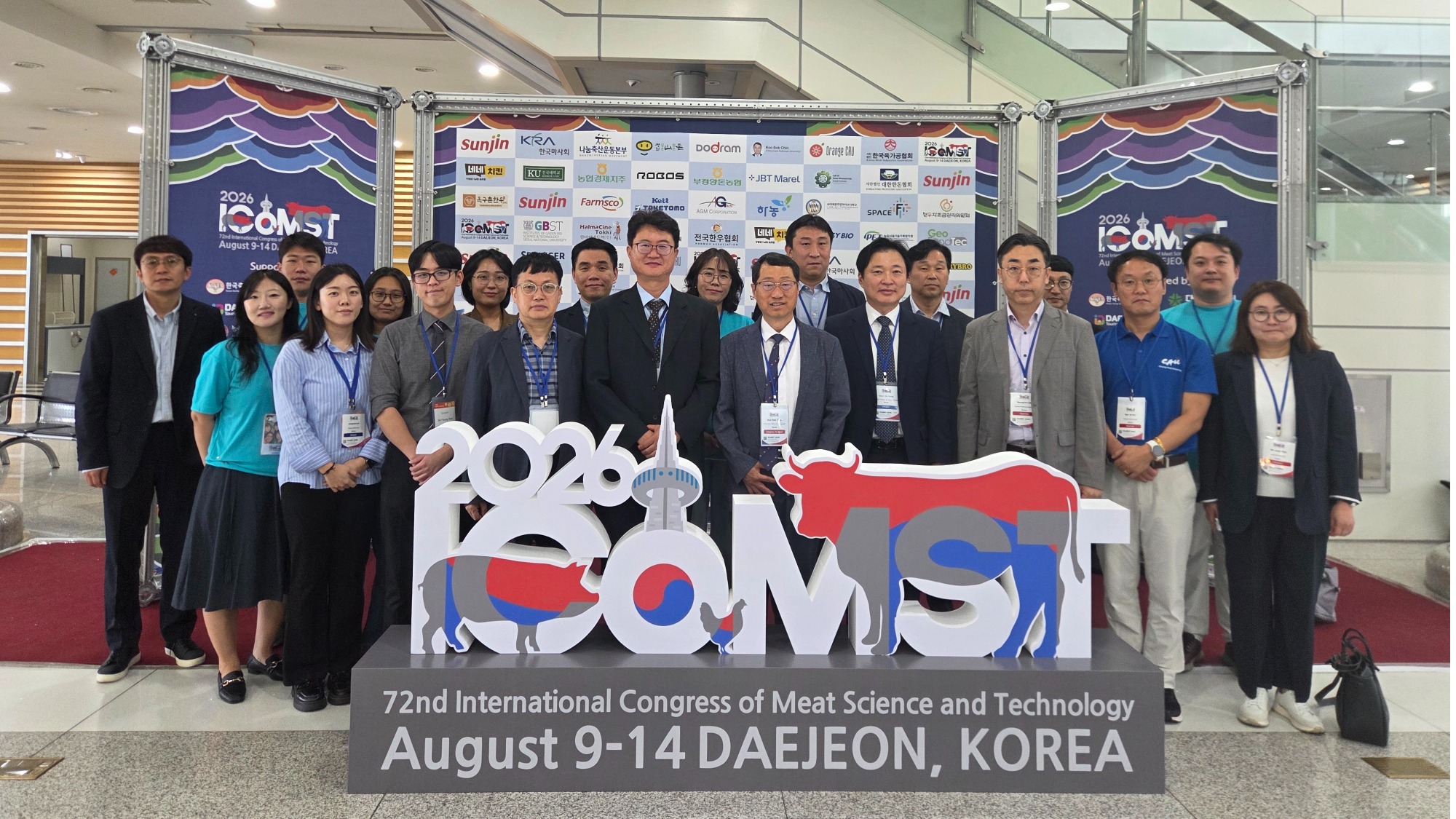
Finally, we were able to successfully conclude this competition despite challenging circumstances thanks to the dedication of the entire ICOMST Organizing Committee and the students, as well as the support of our sponsoring companies and stakeholders. Through this event, we realized once again that our true strength lies in our organizational power and teamwork. I sincerely thank everyone.
- #축산물
- #인터뷰
- #기술
Related Content
PEOPLE
Time spent researching meat, now raising people… Professor Choi Yoon-sang of Konkuk University
Professor Choi Yoon-sang has been appointed to the position of full-time professor in the field of meat science at Konkuk University, a position that had been vacant for about 10 years.
2026.11.4
People: MEAT
“A meat restaurant cannot become a premium establishment by selling only meat.” – Kim Young-hwan, Founder of Byeokje Galbi
Premium Hanwoo beef and service, on-site expertise, generational transition, and overseas expansion. Chairman Kim Young-hwan finds the core of Byeokje Galbi’s 40 years in “people who properly handle good ingredients and the power to protect the site.”
2026.9.28

People: MEAT
Good standards change the market.
An interview with leaders shaping the direction of the industry
2026.8.25