
People: MEAT
“A meat restaurant cannot become a premium establishment by selling only meat.” – Kim Young-hwan, Founder of Byeokje Galbi
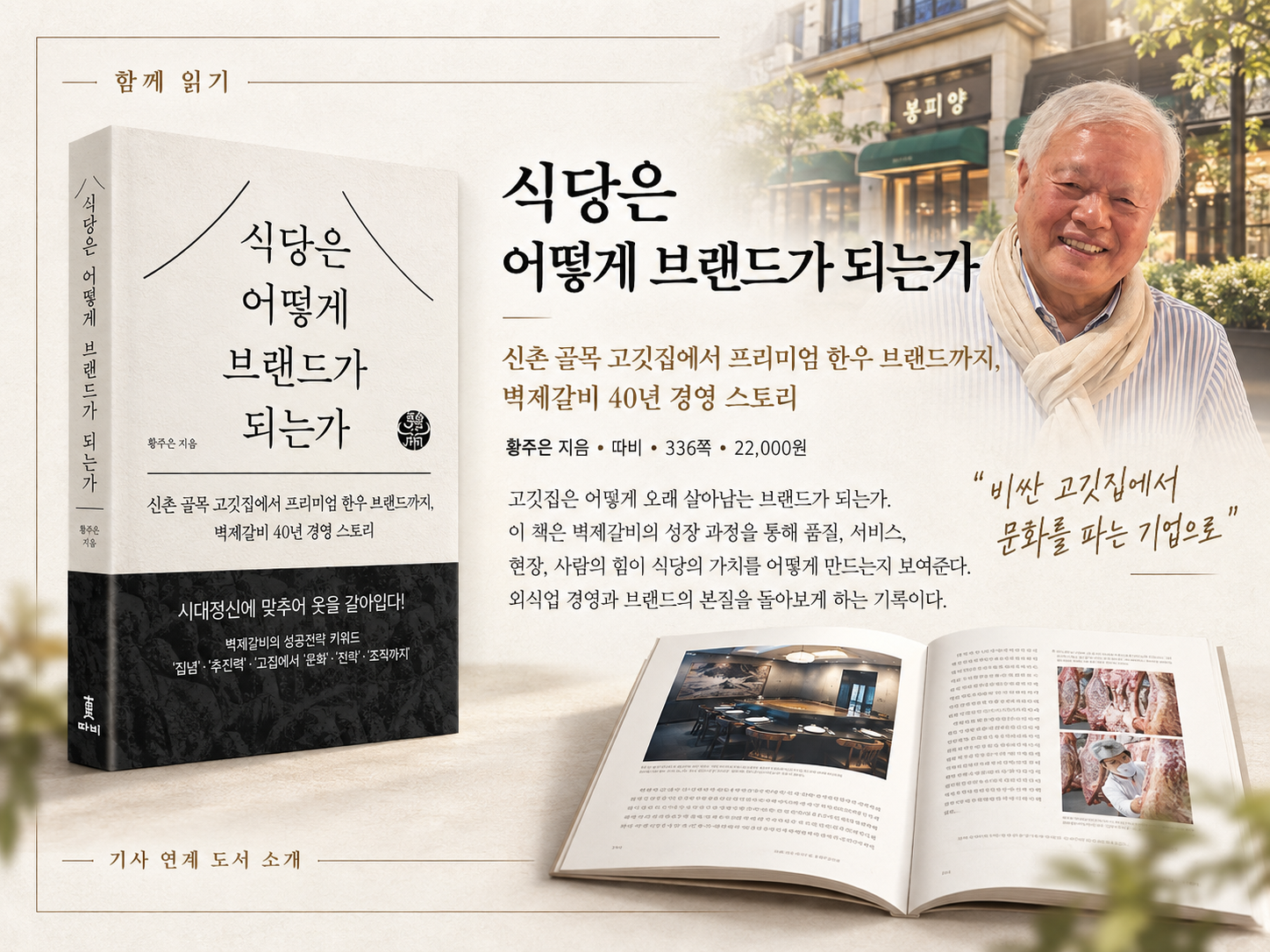
From a small restaurant in Sinchon to Korea's premium Hanwoo brand
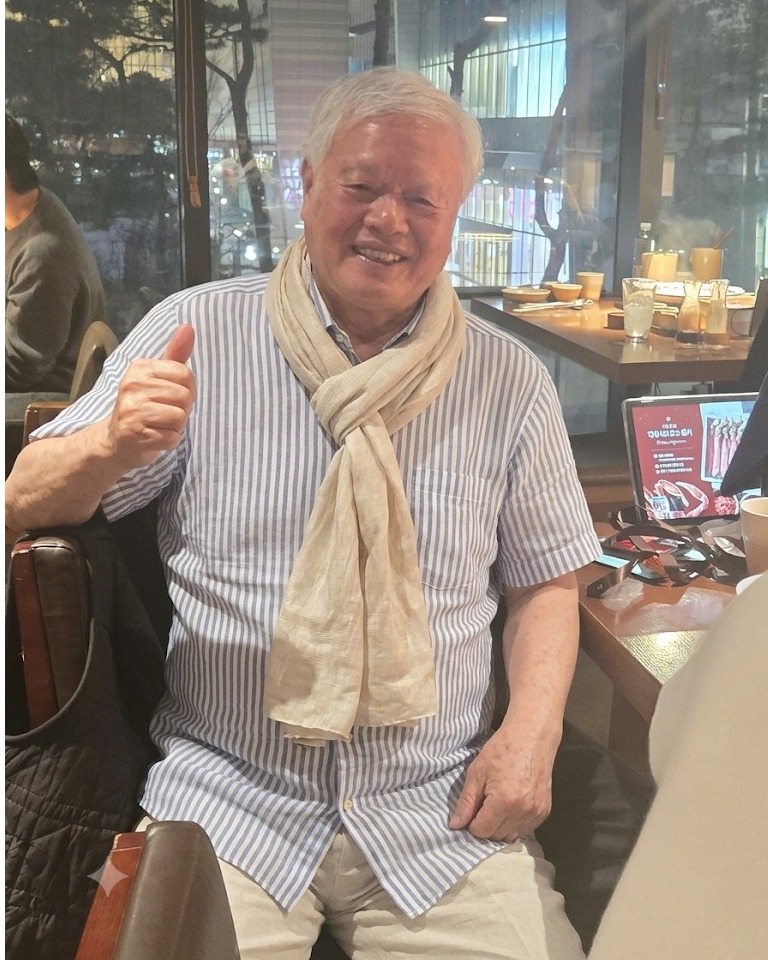
There are many barbecue restaurants. There are also many successful ones. However, there are not many brands that are remembered by customers for a long time.
Just because the meat tastes good does not guarantee success. Nor does using expensive meat make one a premium brand. Customers compare taste and price and move on to find new restaurants. There is no guarantee that yesterday's famous restaurant will be able to welcome customers tomorrow.
In that fiercely competitive market, Byeokje Galbi has carved out its own niche. Starting as a barbecue restaurant in an alley in Sinchon, it grew into a premium Hanwoo specialty restaurant and expanded its reach with brands such as the Pyongyang Naengmyeon brand Bongpyang and Byeokje Galbi The Cheongdam. Business expansion was accompanied by trial and error, and as generations changed, changes in management methods were also necessary.
Nevertheless, there is one thing he has not let go of: selecting the finest meat, handling it properly, and providing service befitting the customers. I asked Chairman Kim Young-hwan about the essence of restaurant management. His story went beyond the growth history of a food service company and led to questions about how a barbecue restaurant becomes a brand and how to protect that brand.
I chose Hanwoo after failure; I prioritized quality over price.
Chairman Kim Young-hwan did not succeed in managing a meat restaurant from the very beginning. He recalls that he went through trial and error while venturing into various food service businesses in the 1980s. Despite repeated failures, he did not give up on the restaurant industry, and his next choice was Hanwoo beef.
Even back then, there were renowned steakhouses. To survive in a market where established powerhouses were already entrenched, a latecomer needed a clear differentiator. What Chairman Kim put forward was top-quality Hanwoo beef and service.
It is not just high-priced meat,We provide the highest quality Hanwoo with the best service.
Meat quality alone was not enough. We had to leave customers with an experience where they felt truly treated, from the moment they entered the restaurant until they finished their meal and left. To achieve this, we focused on purchasing top-quality Hanwoo beef and chose an operational approach that allowed us to manage quality rather than aggressively expanding the number of stores.
Securing high-quality raw materials, cultivating the people to handle them, and ensuring customers recognize their value. The premium that Chairman Kim speaks of is perfected when these three elements work together.
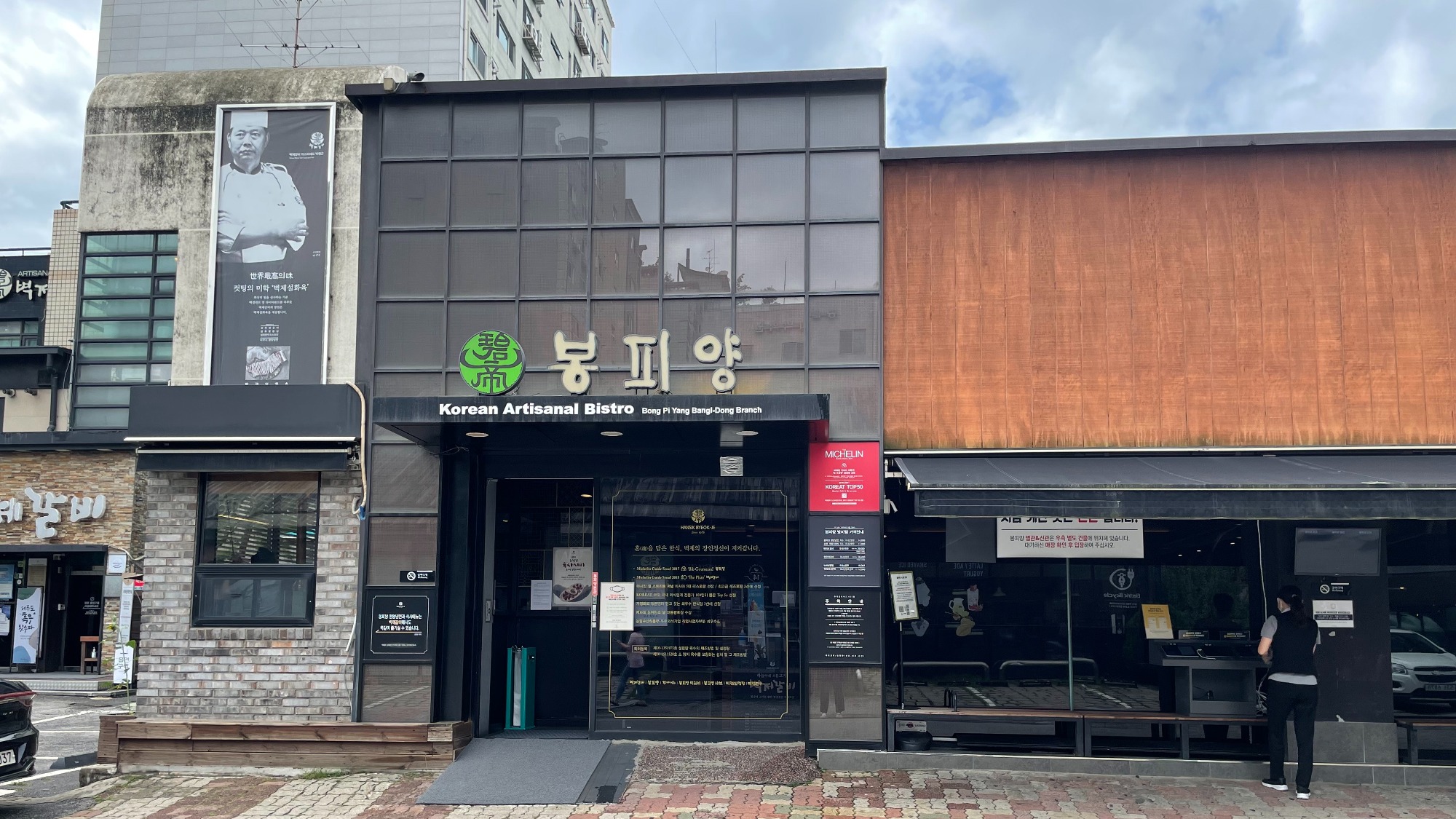
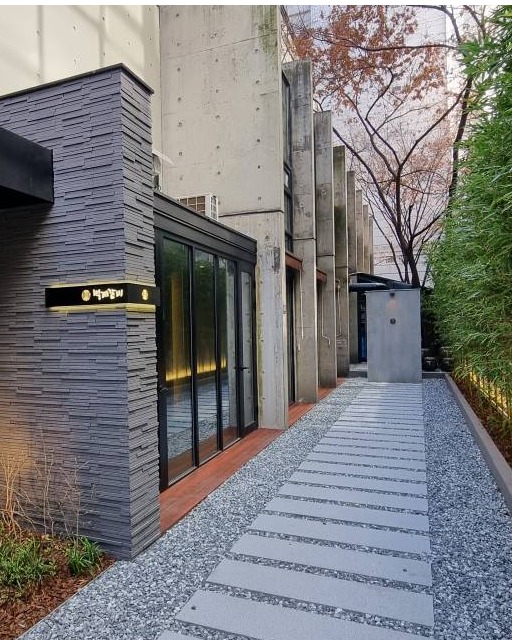
The Founder's Stubbornness and the Changes of Second-Generation Management… Another Challenge in Protecting the Brand
Starting a restaurant is different from maintaining it for a long time. Can the success strategies created by the founder, who personally oversaw every detail on-site, be applied exactly as they are to the next generation? Can the value of the existing brand be preserved while expanding the business to match changing customer tastes? Byeokje Galbi, too, could not avoid these questions.
Chairman Kim is a founder who built his business with a focus on the field. CEO Kim Tae-hyun, who currently leads the management, has driven a new dining culture and business transformation. There were clear differences in the management styles of the two generations, and there were attempts during the process of launching new brands and expanding the business that did not yield the expected results.
Conversely, Bongpyang served as an opportunity to reach a customer base different from that of Byeokje Galbi. Chairman Kim does not view this as a simple matter of success or failure. This is because while new endeavors are necessary for a brand to grow, focusing solely on change can lead to the loss of the unique values built up over a long period.
How to harmonize the founder's experience with the perspective of the next generation. This is a management challenge that Byeokje Galbi, celebrating its 40th anniversary, is still grappling with.
Behind a single piece of meat lies decades of skill.
When discussing Byeokje Galbi's competitiveness, there are people Chairman Kim never leaves out. They are the on-site experts who handle the meat.
Simply purchasing top-quality Hanwoo does not automatically guarantee its value reaches the customer's table. There must be someone who inspects the condition of the meat, understands the characteristics of each cut, and prepares it properly. Experience in making broth and proficiency in customer service also determine the quality of the day.
The manager can create the name of a restaurant. However, it is the responsibility of the staff on the ground to provide the same level of taste and service every day that lives up to that name. Such skills are not developed overnight simply by opening a new store. Nor can they be immediately acquired just by investing money.
This is an even more noteworthy point from the perspective of the meat industry. This is because it is ultimately human skill that transforms the quality of raw meat into final product value.
To succeed overseas, you must have ‘standards’ rather than ‘stores’.
One of Byeokje Galbi's next challenges is the overseas market. Just because it has established itself as a premium Hanwoo brand domestically does not mean the same approach works abroad. Local customers' food cultures and dining habits differ, and new conditions apply to ingredient sourcing and store operations.
Chairman Kim spoke of his past experiences in overseas markets, explaining that simply transferring proven successful methods from the domestic market was not enough. He stated that recently, while reorganizing the domestic business centered on Byeokje Galbi The Cheongdam, he is also re-evaluating the potential for overseas expansion.
His view of overseas expansion is not merely about increasing the number of stores. The priority is how to convey Korean meat culture to international customers and whether the quality and service standards established domestically can be maintained abroad. The point is that while adapting to new markets, the foundation of the brand must be preserved.
You must recognize the value of a restaurant that has been welcoming customers for 10 or 20 years.
Chairman Kim believes that the value of a restaurant cannot be explained solely by sales volume or the number of branches. There are restaurants that have been welcoming customers in the same area for 10 or 20 years. By staying in the same location for a long time, they build customer trust, create jobs for employees, and support local consumption.
The skills and experience accumulated in that process become assets that sustain the restaurant. Byeokje Galbi is also continuing its challenge to become a larger brand. However, according to Chairman Kim, the starting point of growth still lies in the field. It involves selecting the finest Hanwoo beef, having skilled professionals carry on the techniques, and providing customers with a proper dining experience.
From a small meat restaurant in a Sinchon alley to growing into a premium Hanwoo brand, what Byeokje Galbi has upheld is ultimately this fundamental principle. It is about creating customers who return over the years, rather than just attracting one-time visitors. That is where the essence of restaurant management lies, according to Chairman Kim Young-hwan.
- #축산물
- #인터뷰
Related Content

PEOPLE
Time spent researching meat, now raising people… Professor Choi Yoon-sang of Konkuk University
Professor Choi Yoon-sang has been appointed to the position of full-time professor in the field of meat science at Konkuk University, a position that had been vacant for about 10 years.
2026.11.4
People: MEAT
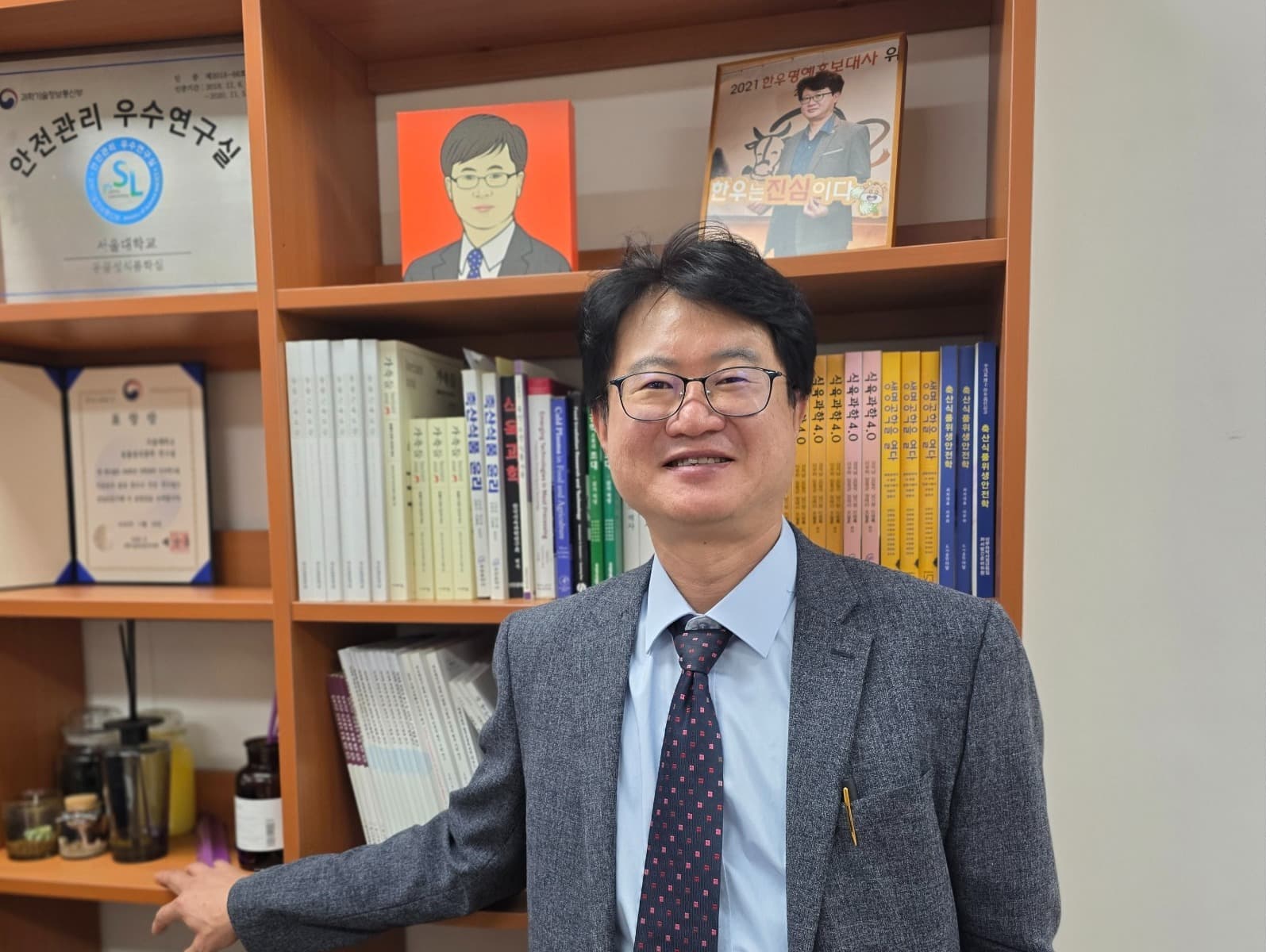
“I wanted to properly introduce the excellence of Hanwoo and Handon to the world.” – Cho Chul-hoon, Professor, Department of Food and Animal Biotechnology, College of Agriculture and Life Sciences, Seoul National University (Chairman of the ICCoMST 2026 Organizing Committee)
The 72nd International Conference on Meat Science and Technology (ICoMST 2026), where global meat science researchers and industry professionals gather, was held in Daejeon from August 9 to 14. We asked Organizing Committee Chairman Cho Chul-hoon, who has been preparing for the event, about everything from the process of securing the host city to the significance of introducing Hanwoo and Handon to the world stage, and the relationship between the meat industry and future food technology.
2026.9.22

People: MEAT
Good standards change the market.
An interview with leaders shaping the direction of the industry
2026.8.25