
Global Field Report
The competitiveness of the Japanese meat industry begins with raising people.
Visiting the Gunma Prefecture National Meat School… Practical training covering everything from butchering techniques to processing and sales
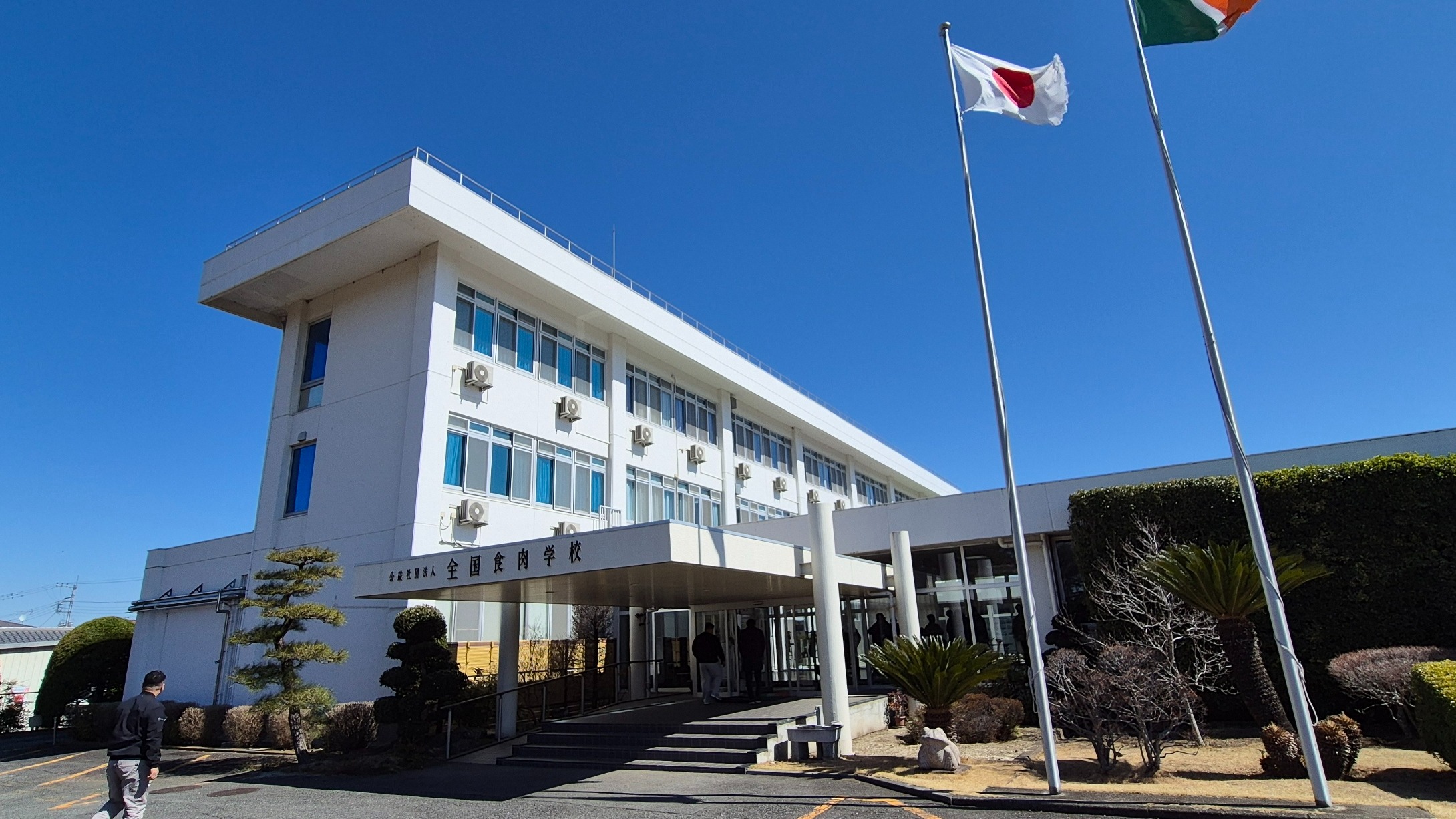
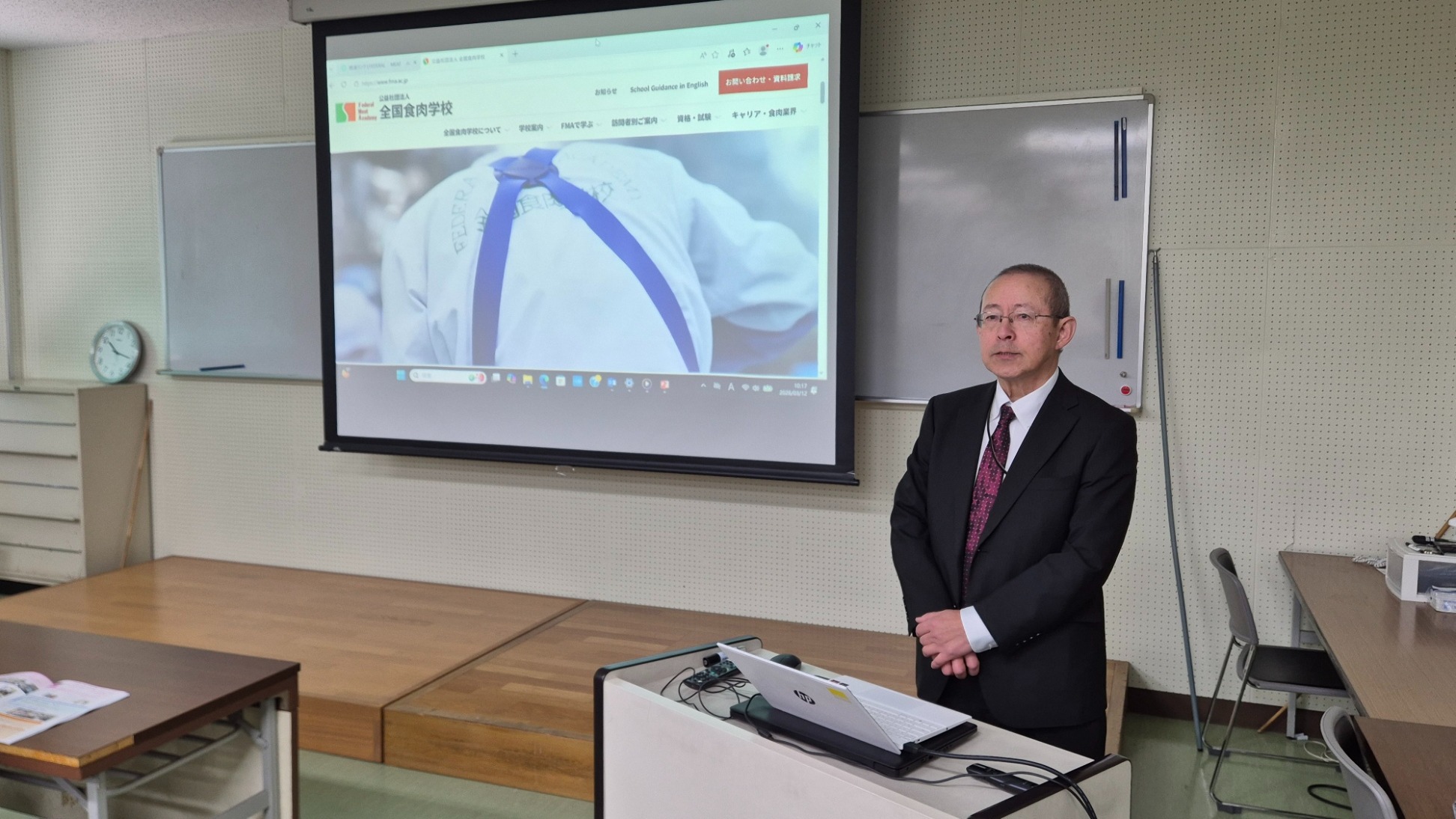
The Federal Meat Academy is located in Tamamura-cho, Gunma Prefecture, Japan. True to its name, it is a school that specializes in teaching meat processing. My reason for visiting this place was not merely to examine Japanese butchery techniques. I wanted to understand where meat handling skills are learned and how those skills are passed down to the next generation. I sought to look into the competitiveness of the Japanese meat industry from a human perspective.
The National Meat School is a vocational competency development school established to train technicians for the meat industry. The school's educational philosophy is "practical education through industry-academia collaboration." It places emphasis on enabling students to physically acquire the skills required in actual industrial settings, rather than merely learning knowledge in the classroom. Students learn knowledge and skills related to meat while living in dormitories.
The nature of the school is also evident in its target audience. It is visited not only by those entering the meat industry for the first time, but also by successors to butcher shops and livestock businesses, trainees dispatched by meat-related companies, and even those transitioning from other sectors to prepare for entrepreneurship. While their starting points differ, the subject they must learn is the same: understanding meat, handling it, transforming it into a product, and delivering it to consumers.
In the technique of cutting meat,
Even the skill of selling meat
The curriculum of the National Meat School does not end with butchering techniques alone. The school operates a comprehensive training course of one year and six months, as well as a meat sales course of three months. The education includes knowledge necessary for processing beef and pork, manufacturing meat products, producing processed meat products, cooking, hygiene, cost calculation, and sales. Practical training that connects skills learned in school with the industrial field is also part of the educational system.
At this point, we are prompted to reconsider the scope of the ‘skills’ taught by the National Meat School. Butchering involves accurately dividing and trimming meat. However, the competencies required in butcher shops and meat processing companies extend to the next level. One must understand the characteristics of each cut to produce appropriate products, and one must know about costs and hygiene to sell those products reliably. The ability to read what type of meat customers want is also required in the field.
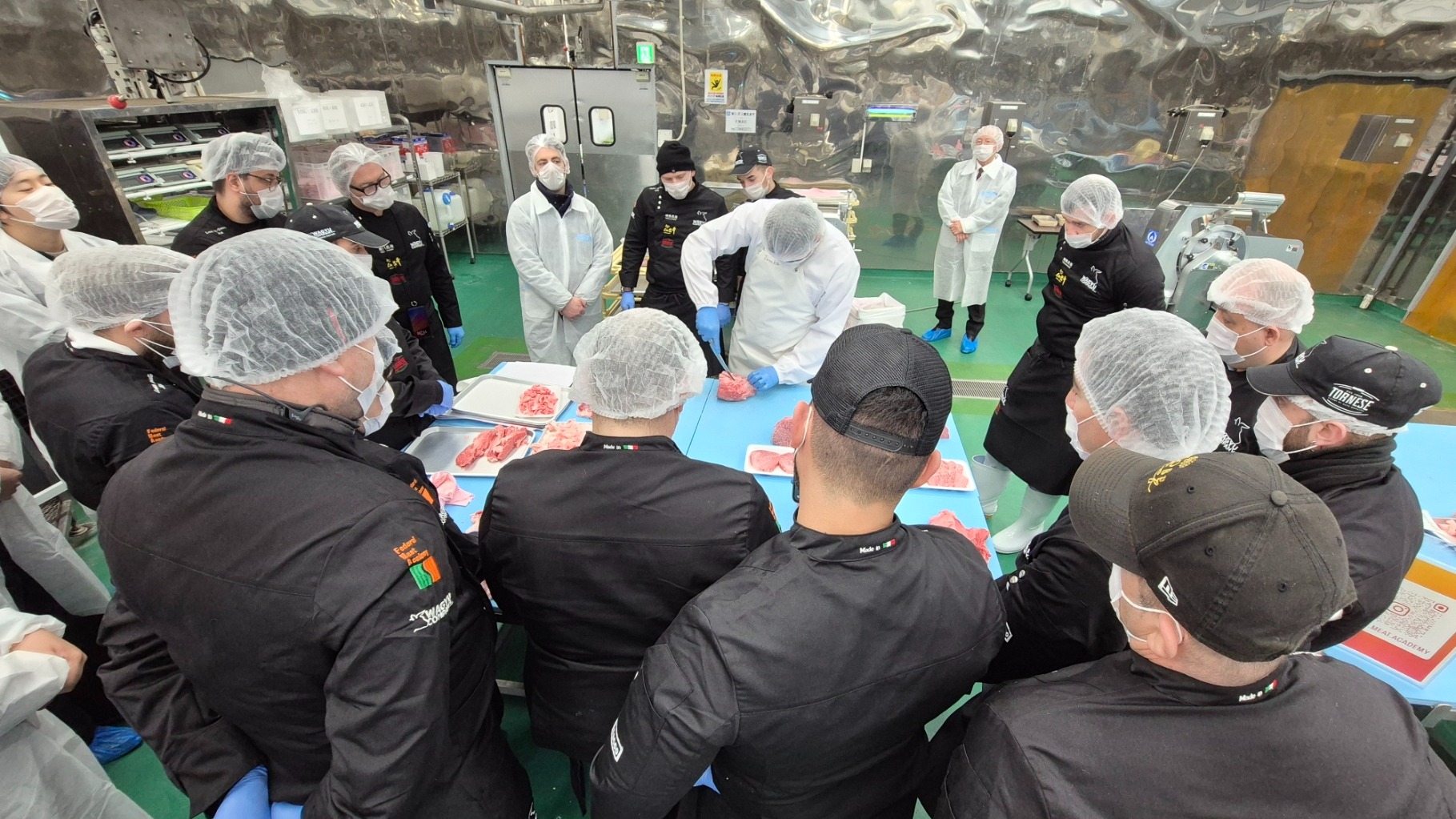
A practical training site where meat is prepared and explained firsthand.
The school curriculum does not treat these tasks as separate functions. It stands out for teaching manual skills in handling meat alongside knowledge of planning and selling products. This can be interpreted as an educational direction aimed at cultivating meat industry professionals not merely as workers, but as individuals who understand the entire process from production to consumption.
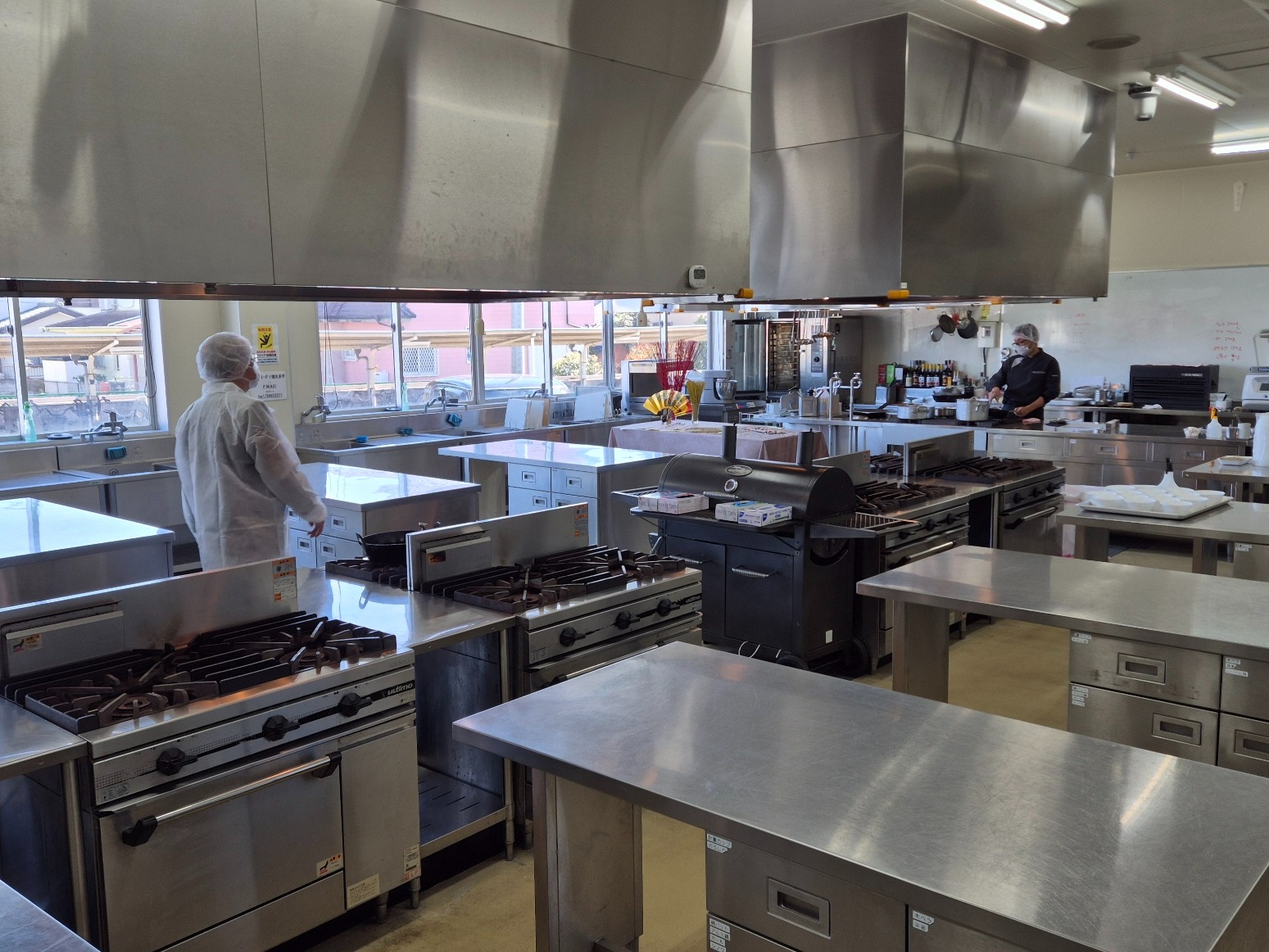
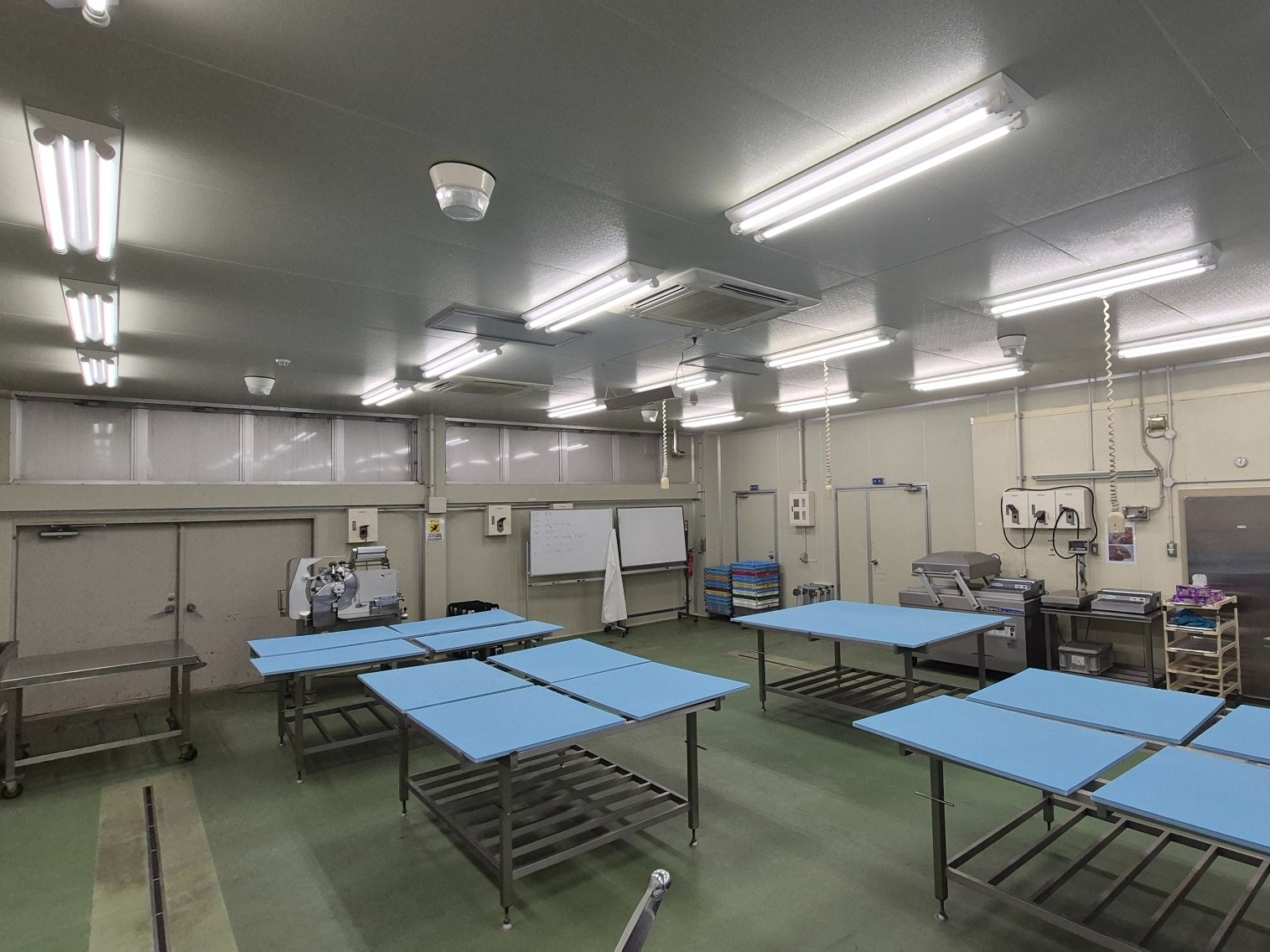
A meat processing practice room equipped with workbenches and equipment.
Why are you coming back to school?
Among those seeking out the National Meat School are individuals already working in the meat industry. The fact that corporate trainees and butcher shop successors are included in the curriculum demonstrates another role the school plays. It indicates that even those with on-the-job experience can choose to receive further training to systematically master the entire operation.
In the field, skills are sometimes transferred through experienced workers teaching alongside the employee. While this method possesses strengths derived from years of experience, what is taught and in what order can vary depending on the workplace and the supervisor. School education organizes this experience and presents it as a common learning curriculum. Students gain the opportunity to move beyond their familiar tasks and engage with different parts, processes, processing, and even sales.
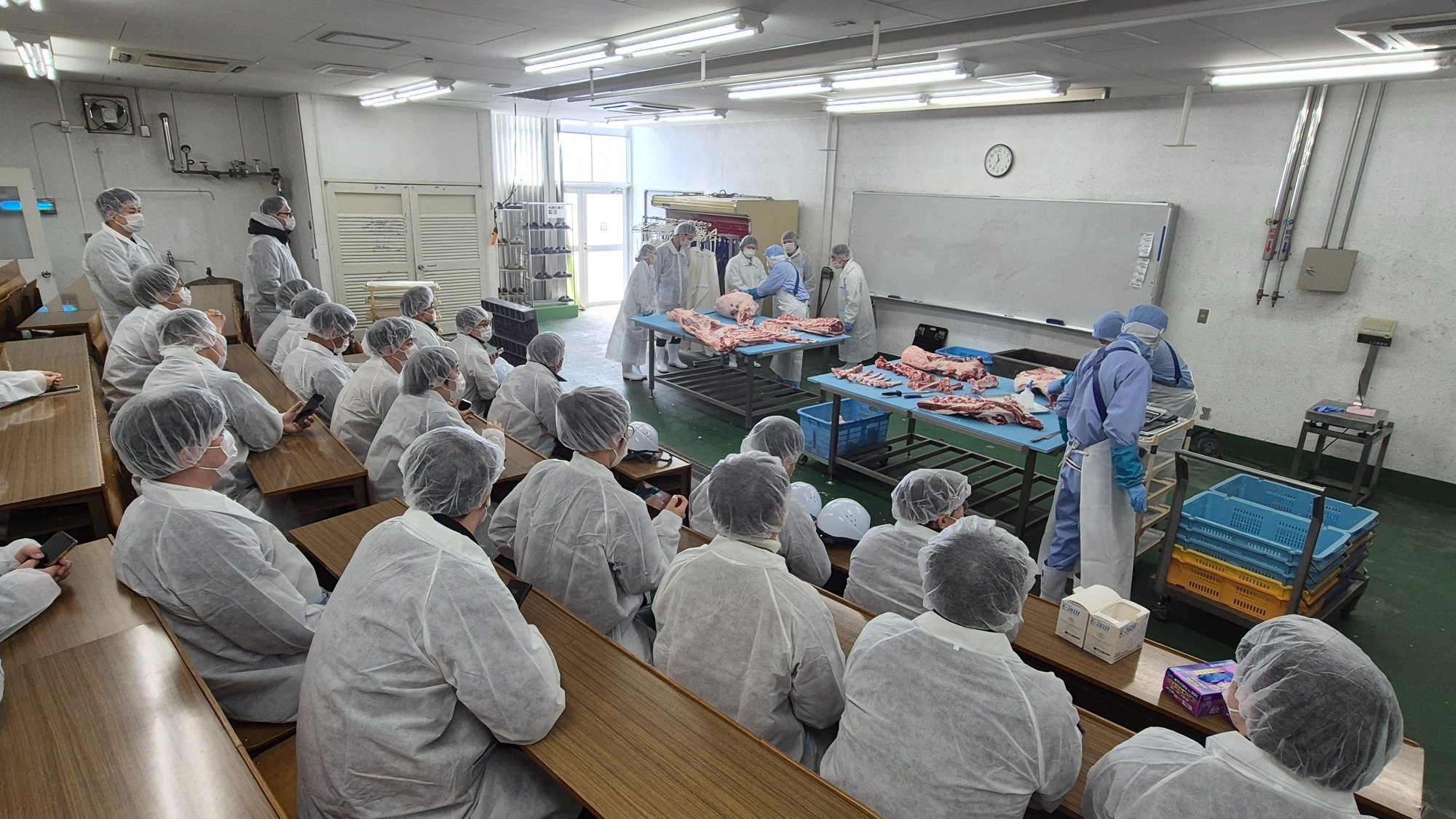
The existence of the National Meat School does not mean that it solves the entire workforce problems of the Japanese meat industry. However, it demonstrates one method of supporting the transmission of skills through industry-level education, rather than leaving it solely to individual workplaces.
Industry creates schools,
Schools send people to industry
The National Meat School was established in 1973 with the participation of related organizations, including the National Agricultural and Livestock Industry Promotion Organization and the Japan Agricultural Cooperative Federation (JA Zen-Noh). According to the National Agricultural and Livestock Industry Promotion Organization, the cumulative number of graduates as of December 2025 is 2,735. This figure demonstrates the scale of the school and indicates that it has consistently trained meat industry personnel over a long period.
What is noteworthy is the relationship between schools and industry. Schools educate the workforce needed by the meat industry, and industry professionals return to schools to acquire skills and knowledge. It is a structure where schools do not exist separately from the industry, but rather reflect the demands of the field in their curriculum. This is also the significance of the industry-academia collaboration emphasized by the National Meat School.
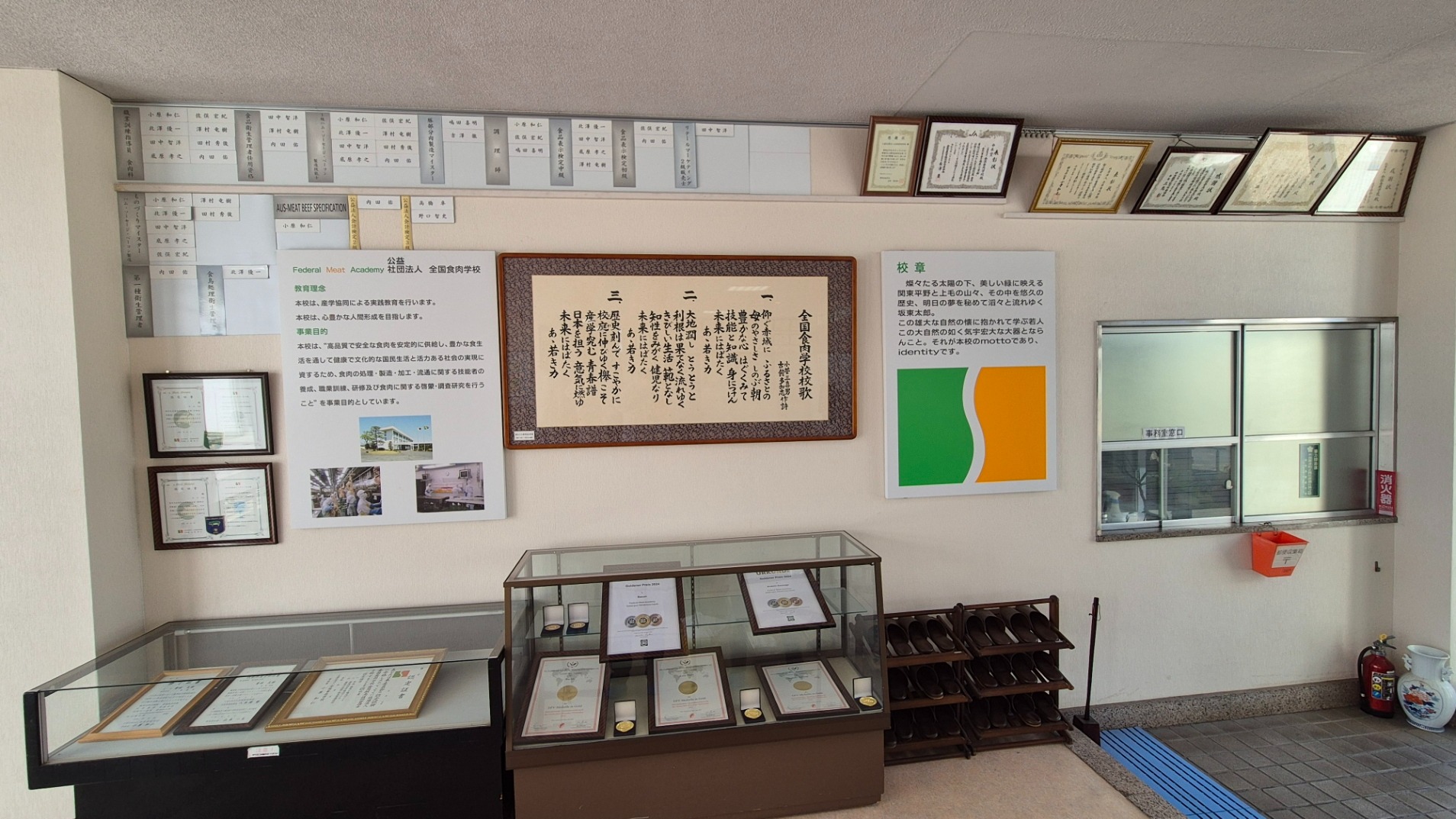
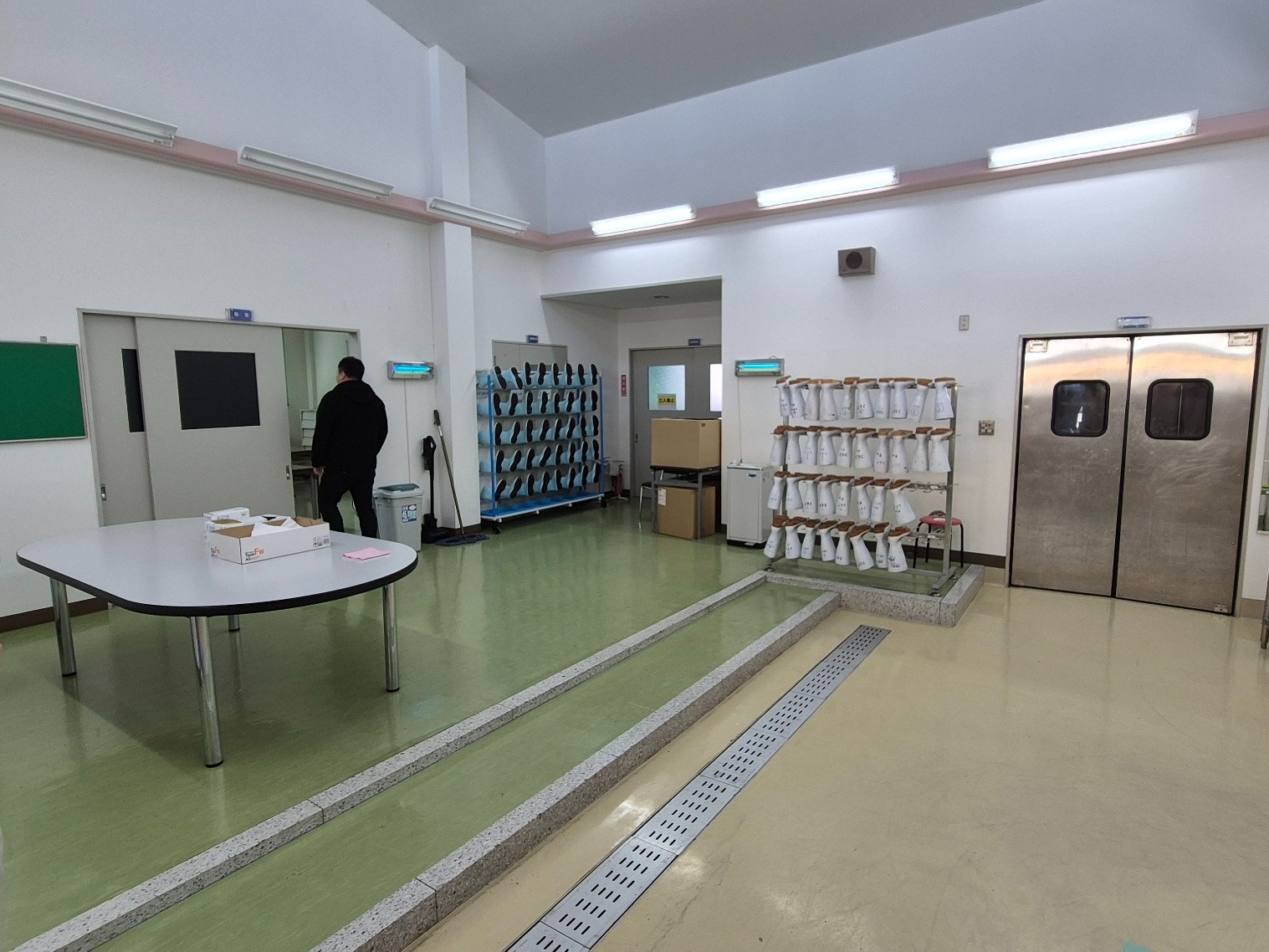
Asking about the competitiveness of the meat industry
Another question
Education regarding meat processing, manufacturing, and sales is also being conducted domestically. Therefore, it is not appropriate to introduce the National Meat School as a system unique to Korea or to definitively compare the educational levels of the two countries. The questions raised by this visit are slightly different.
Who is teaching the skills needed in the field, and through what process? Can the experience of skilled professionals be reliably transferred to the next person? How can we cultivate a workforce that understands the connection between shaping, processing, commercialization, and sales?

The National Meat School is one of Japan's answers to that question. Skilled meat handlers are not created overnight. They require extensive field experience, as well as the time spent in education to accumulate that experience. While touring this school in Gunma Prefecture, what I wanted to verify was not just a single special butchering technique. It was the structure designed to ensure that skills are learned and passed on, rather than remaining solely as individual capabilities. This is why, when discussing the competitiveness of the meat industry, we must ask how people are nurtured just as much as we do about production volume, price, facilities, and distribution networks.
- #축산물
- #브랜드
- #인터뷰
- #유통
- #품질관리
- #기술
Related Content
Global Field Report
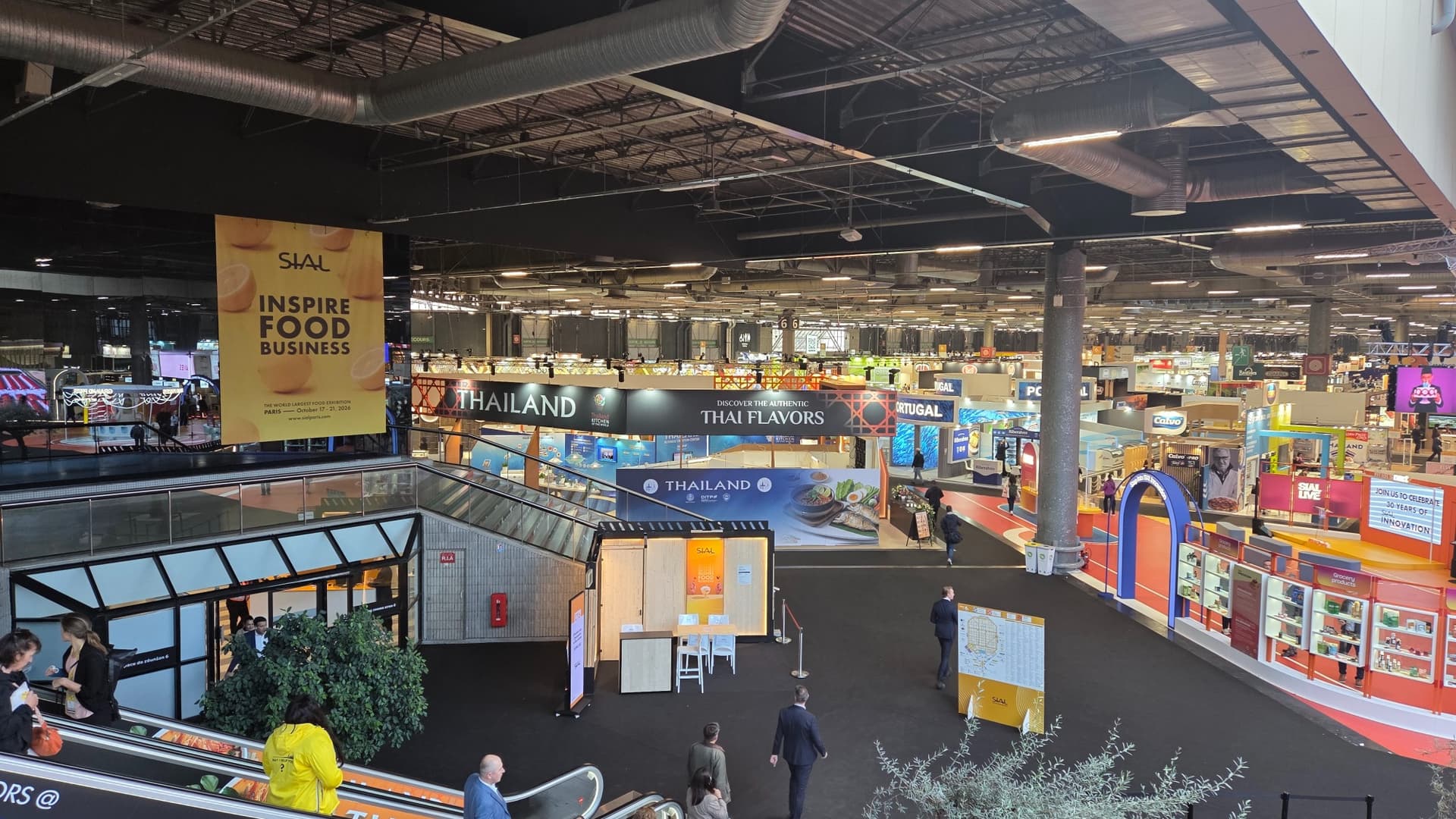
South American Beef Makes a Strong Presence… Meat Export Competition at SIAL Paris 2026
South American beef companies stood out in the meat section of SIAL Paris 2026, where the global food industry gathered.
2026.11.1
Global Field Report
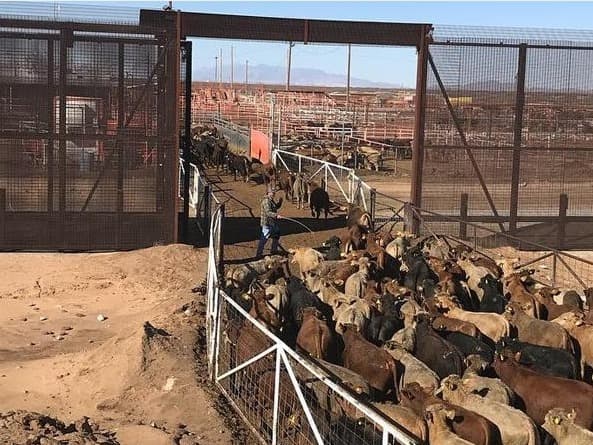
U.S. Expands Import Channels for Live Cattle from Mexico… Phased Reopening of 4 Border Quarantine Facilities
The United States is accelerating the normalization of livestock trade by successively reopening border quarantine facilities for the import of live cattle from Mexico. This approach involves gradually expanding import channels while maintaining the disease control system to prevent the introduction of New World Screwworm (NWS).
2026.10.26
Global Field Report
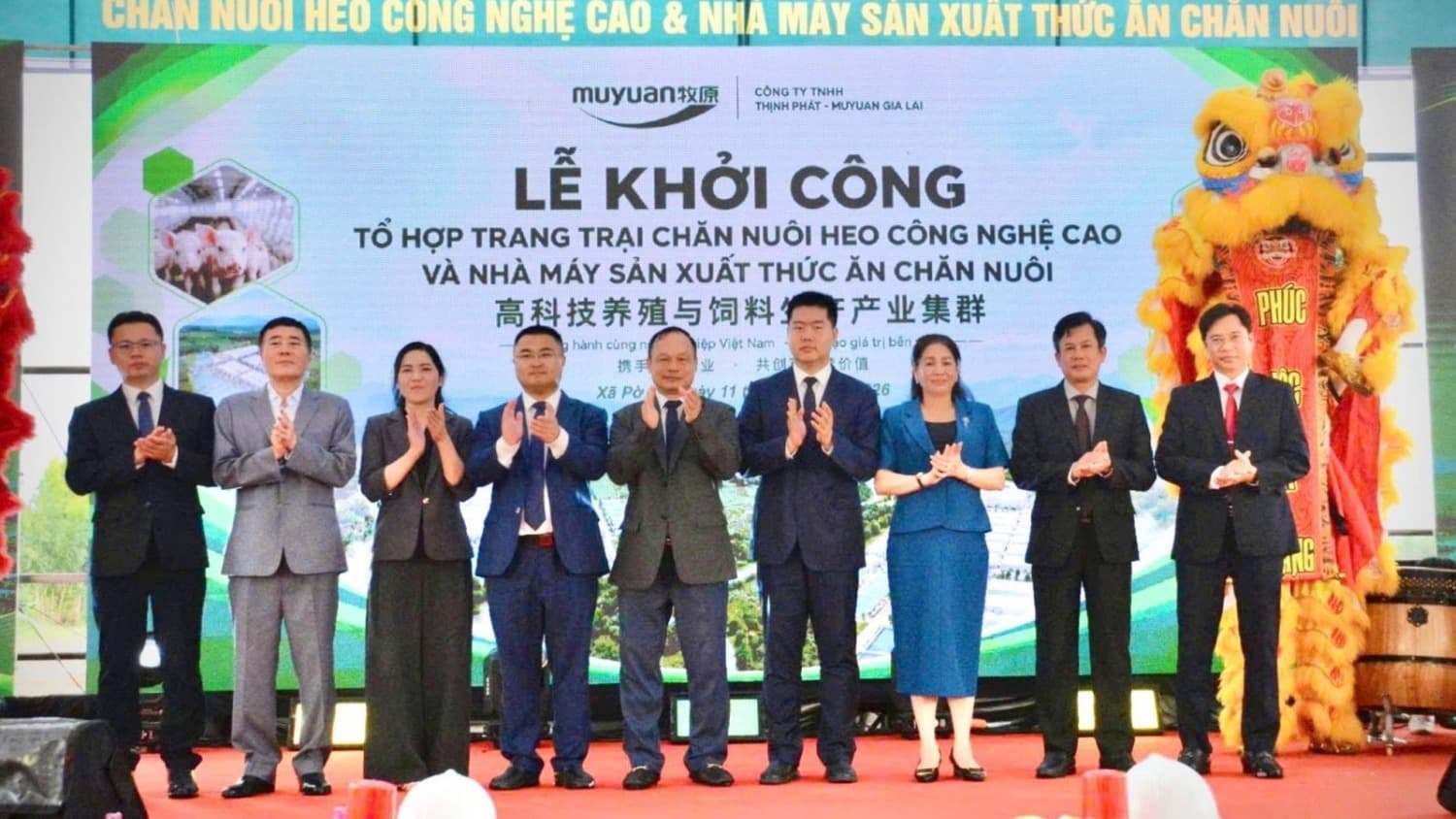
China's Muyuan Invests Approx. 190 Billion Won in Vietnam... Sets Out to Establish 2 Million Head Production System
China's major pig farming company Muyuan is investing approximately $140 million to build a large-scale pig farm and feed factory in Vietnam.
2026.10.19