
terrestrial broadcast
[Parliamentary Audit] 6 Cases of Mad Cow Disease and Controversy Over Notification Delays… Emerging as Key Issues in Brazilian Beef Import Negotiations
Rep. Lee Seong-kwon points out circumstances surrounding the reporting of 6 cases of atypical BSE and a 2010 case... demands submission of data.
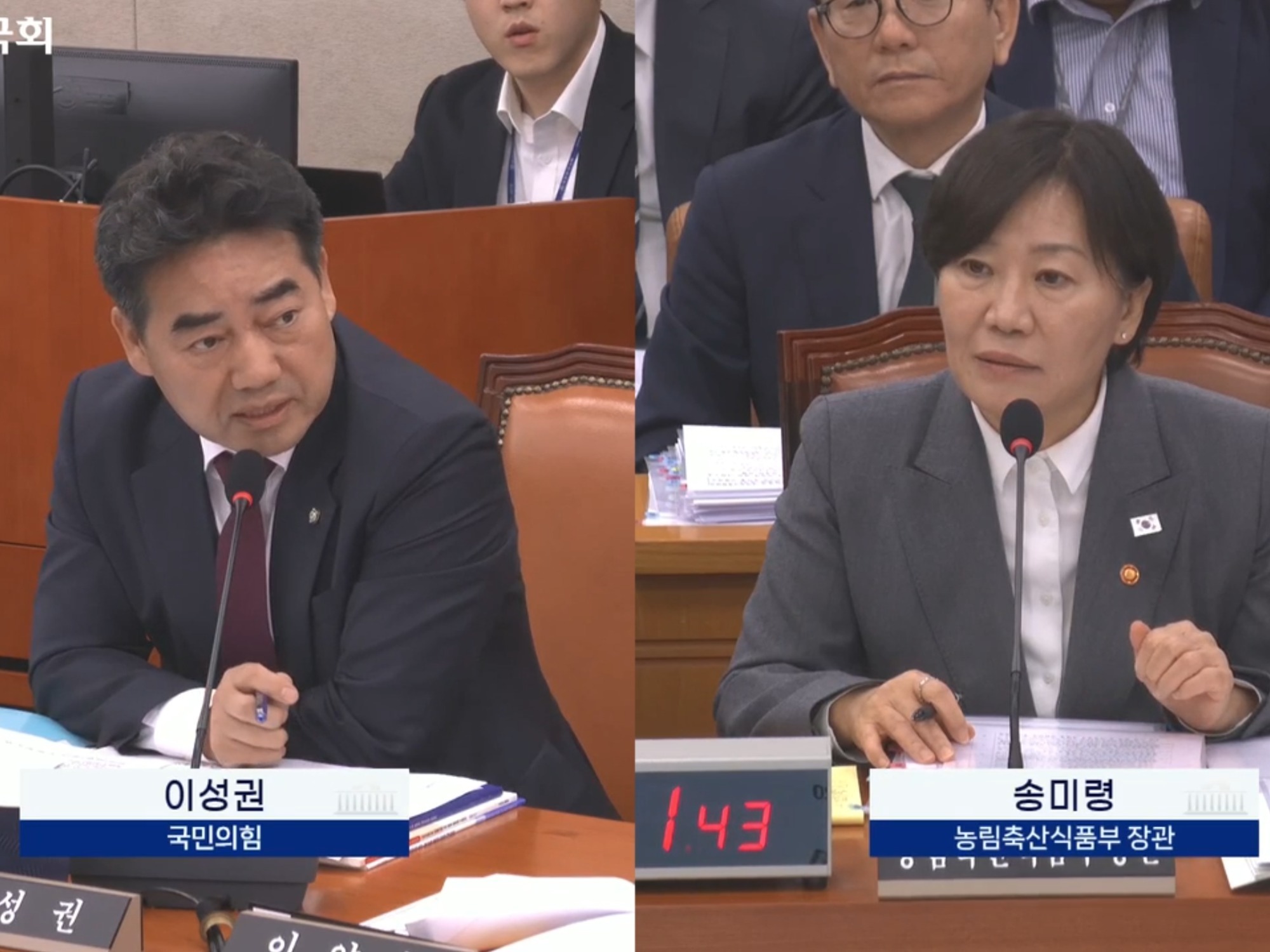
As a risk assessment is underway to allow the domestic import of Brazilian beef, Brazil's past history of Bovine Spongiform Encephalopathy (BSE, also known as Mad Cow Disease) and the issue of delayed reporting to international organizations have emerged as points of contention during the parliamentary audit.
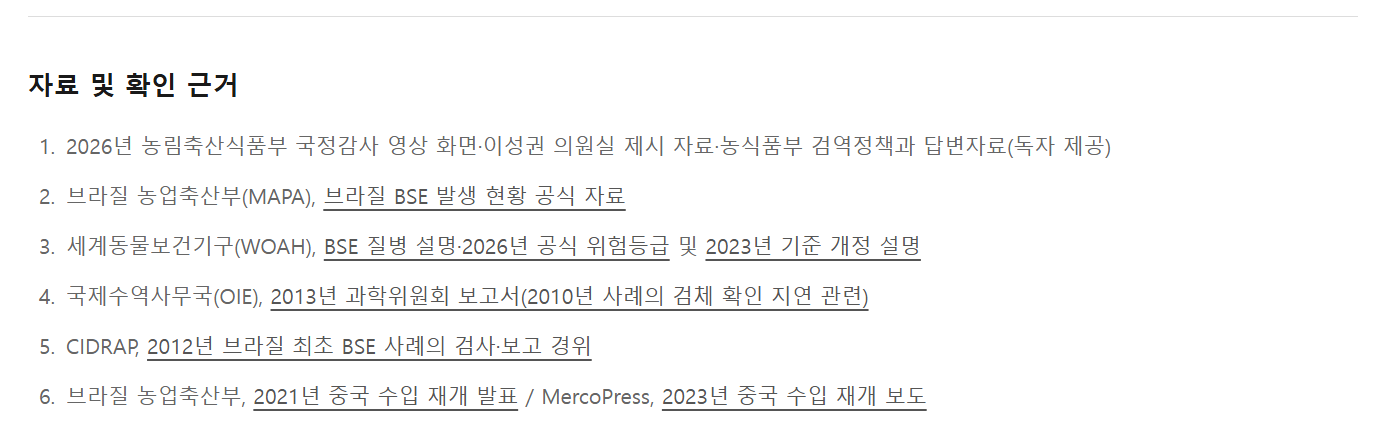
Representative Lee Seong-kwon of the People Power Party demanded during the 2026 parliamentary audit of the Ministry of Agriculture, Food and Rural Affairs that the progress of negotiations for the import of Brazilian beef be verified and that quarantine-related data received from the Brazilian government, as well as information on BSE testing and outbreaks, be submitted. The data presented by the lawmaker's office included confirmed cases in Brazil from 2010 to 20236 cases of atypical BSEIt included the circumstances of the first past case's report to an international organization.

Brazilian Beef Import Risk Assessment Level 4… On-site Inspection Conducted
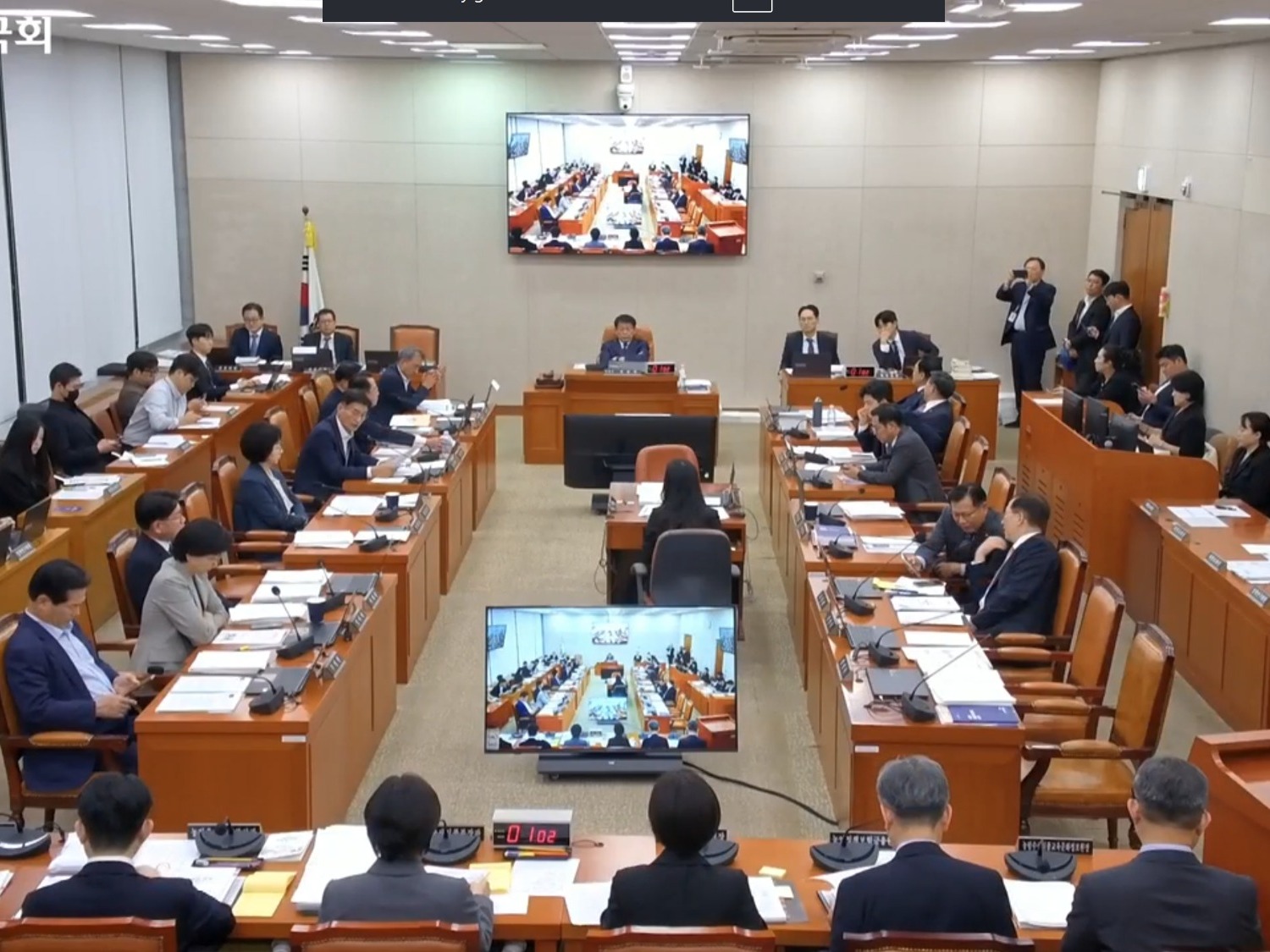
According to parliamentary audit data, the import risk assessment procedure for Brazilian beef has progressed to the fourth stage out of a total of eight. The Ministry of Agriculture, Food and Rural Affairs explained that it received responses to the livestock hygiene survey from Brazil and conducted an on-site inspection in August of this year.
However, the fact that the risk assessment has progressed significantly does not automatically mean a decision to permit imports. Whether or not to allow entry into the country will be determined after going through remaining procedures, such as the assessment results and consultations on import hygiene conditions. At this stage, it is difficult to consider the timing of import approval or the final conditions to have been determined.
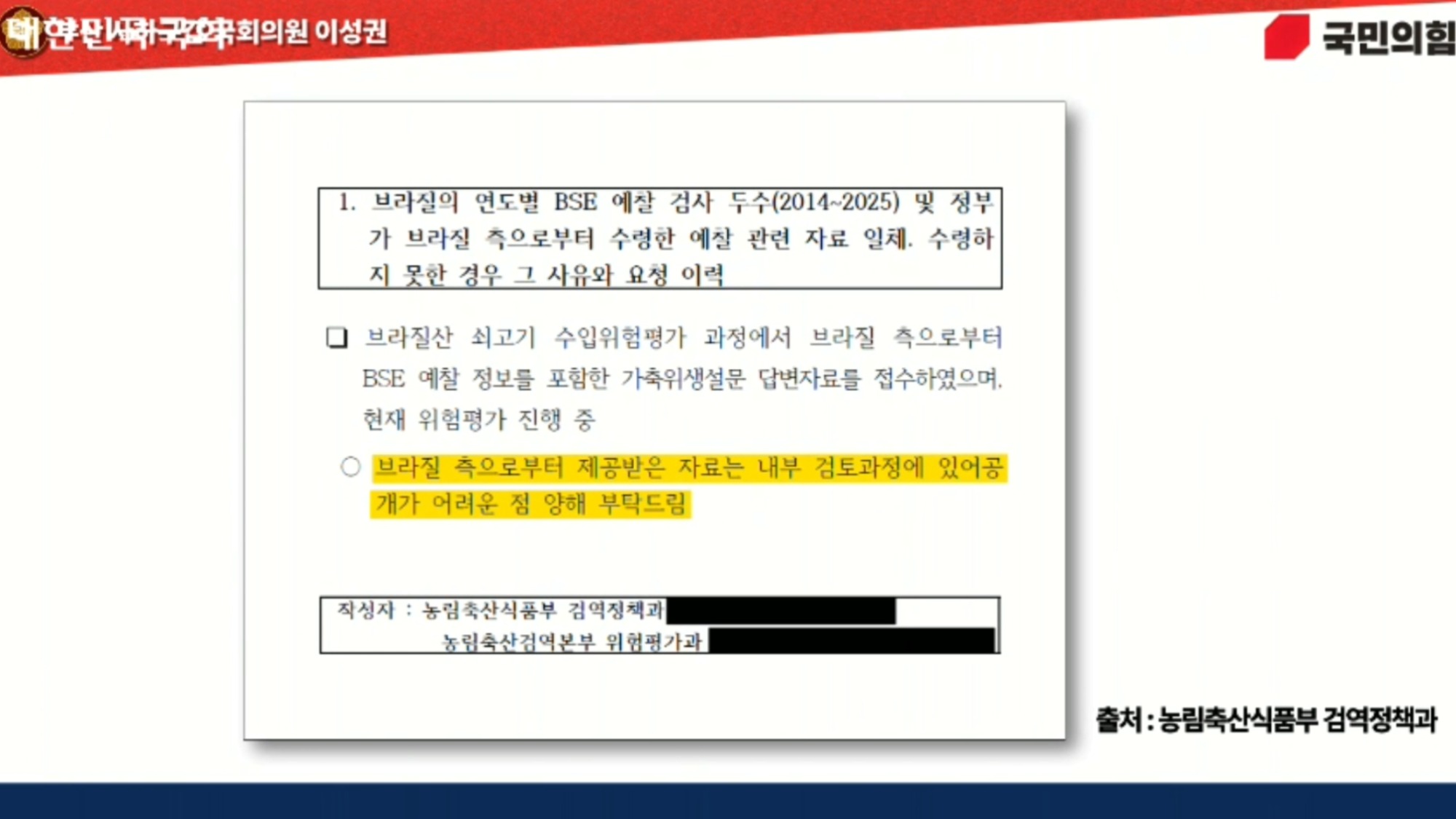
During this parliamentary audit, the disclosure of materials submitted by Brazil was raised as a separate issue. According to the response materials from the Quarantine Policy Division of the Ministry of Agriculture, Food and Rural Affairs disclosed by Representative Lee, the government received responses to the livestock hygiene survey containing BSE information from Brazil, butIt is difficult to disclose because an internal review is underway.It contained the following content.
Representative Lee pointed out the need to thoroughly review past BSE testing and outbreak data, given that this is an issue directly related to the safety of the public's food supply, and demanded that the materials be submitted before the comprehensive parliamentary audit. Minister Song Mi-ryeong responded by stating that she would verify whether the data would be provided and would take necessary measures to ensure safety if any quarantine issues were identified.
6 BSE cases from 2010 to 2023… all 'atypical' cases
According to the history table of occurrences disclosed at the parliamentary audit, a total of six cases of BSE were confirmed in Brazil, starting with Paraná state in December 2010, followed by April 2014, May 2019, September 2021 (2 cases), and February 2023.All of these cases are atypical BSE rather than typical.It is classified as.
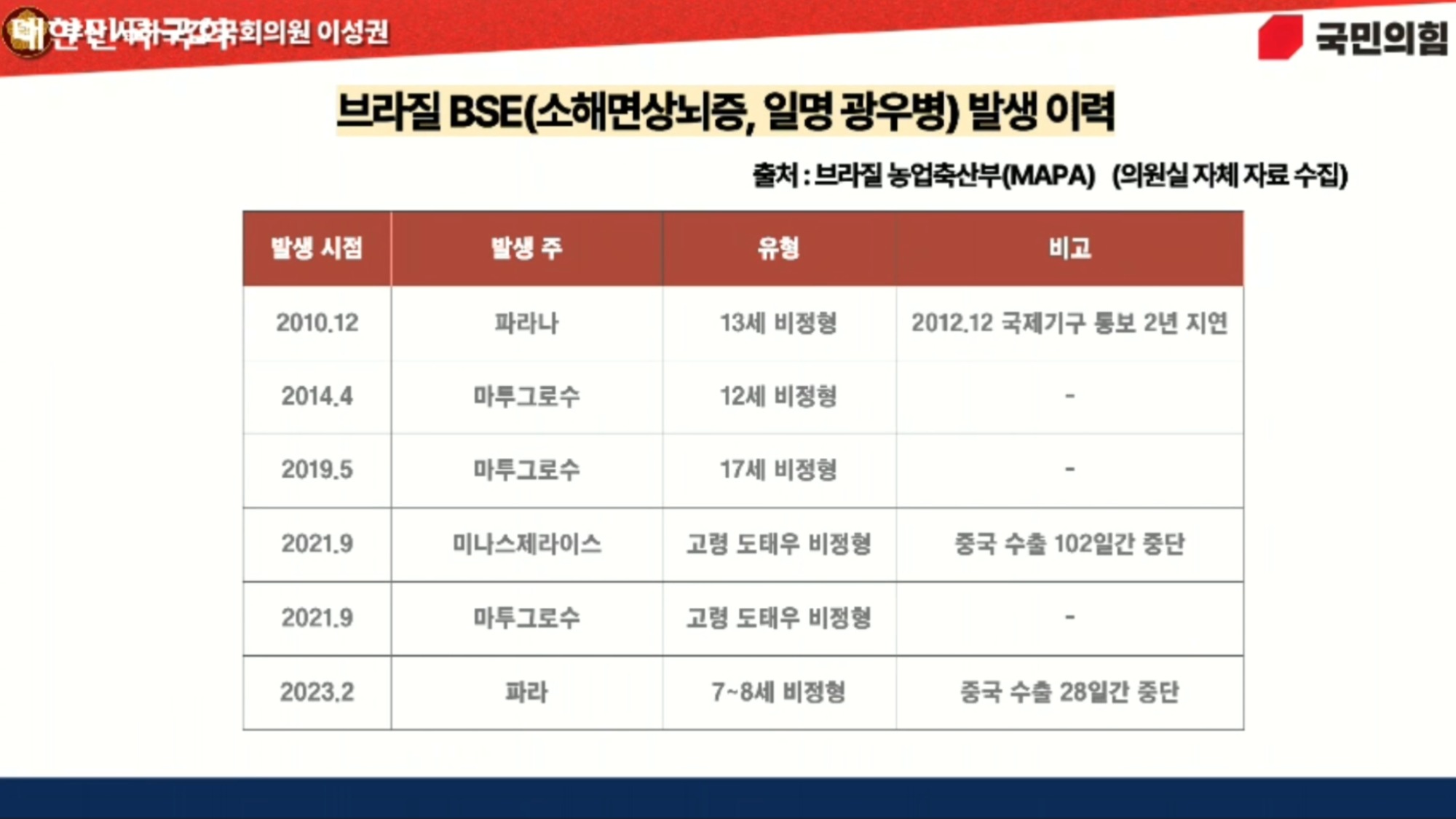
Among these, exports of Brazilian beef to China were suspended in September 2021 following the confirmation of atypical BSE in Minas Gerais and Mato Grosso, but resumed on December 15 of the same year. Exports to China were also temporarily suspended following a case in Pará state in February 2023, and resumed on March 23.
In the table presented for the parliamentary audit, the periods of suspension of exports to China are each102 days and 28 daysIt is listed as such. This shows that past BSE outbreaks affected actual import and export transactions. However, the measures at the time were based on the sanitary agreement applied between China and Brazil, so it cannot be concluded that they are identical to Korea's future import conditions.
2010 case, 2012 notification to international organization… The circumstances of the inspection delay are key.
What Representative Lee took particular issue with was the circumstances surrounding the notification of the first confirmed BSE case in Paraná state in December 2010. Although the cow died in December 2010, it was not reported to the World Organisation for Animal Health (OIE, now WOAH) until December 2012.
but The time of death, the time of final confirmation, and the time of notification to international organizations must be distinguished.According to investigation records at the time, the initial test was determined to be negative, and after it was confirmed positive in June 2012 through additional testing, a notification was made to international organizations in December of the same year.
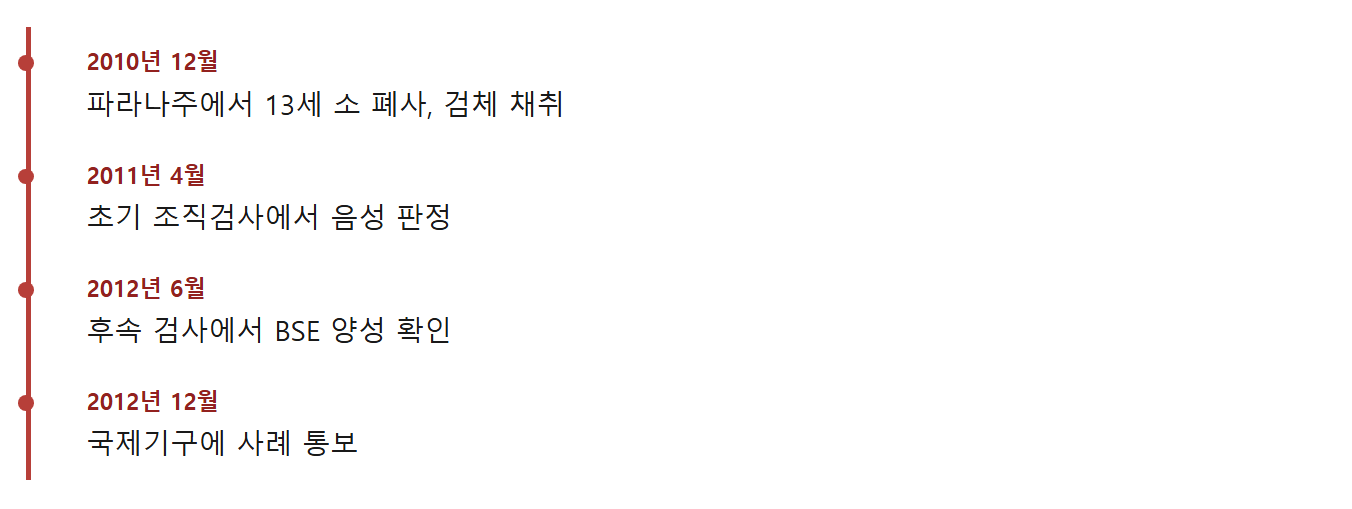
The 2013 OIE Scientific Committee report received an explanation from Brazil regarding the circumstances of the delay in reporting the first case, and especiallyExpressed concern over the significant time it took to send samples to the International Standard Laboratory for confirmation.It was recorded that... The committee did not withdraw Brazil's BSE risk classification at the time, but requested additional information regarding improvements to inspection procedures and surveillance systems.
For this reason, the issue of the 'two-year delay' raised during this parliamentary audit should not be taken simply as meaning that the fact of the occurrence was hidden for two years, but rather as a matter of examining whether the sample testing, confirmation, and reporting systems functioned properly.
Atypical BSE and typical BSE are different… International organization assessment: 'Risk negligible'
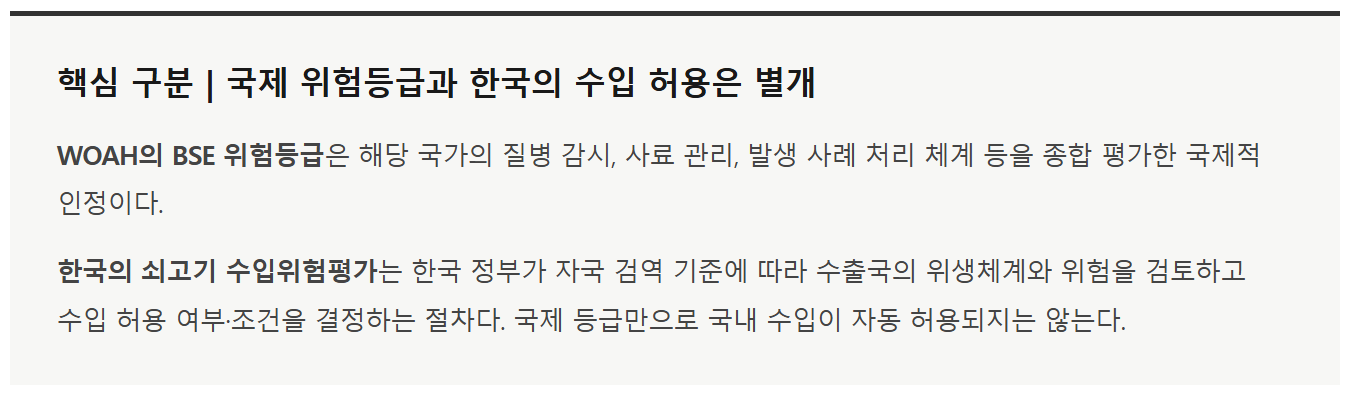
BSE is classified into typical and atypical types based on its pathogenesis and management standards. Typical BSE is associated with contaminated feed, while atypical BSE is known to be a very rare, sporadic, naturally occurring type in older cattle.
The World Animal Health Organization (WOAH) removed atypical BSE from the list of diseases requiring mandatory notification through revisions in 2023. However, it requires that cattle confirmed to have atypical BSE be disposed of and processed to prevent them from entering the food and feed supply chain, and that relevant surveillance information be maintained.
Brazil is officially recognized by WOAH in May 2026'negligible BSE risk' countriesIt is included in. This is a risk management assessment of typical BSE according to international standards and does not deny the fact of past occurrences of atypical BSE.
Brazil, a global export powerhouse… Industry interest in whether it will open the Korean market
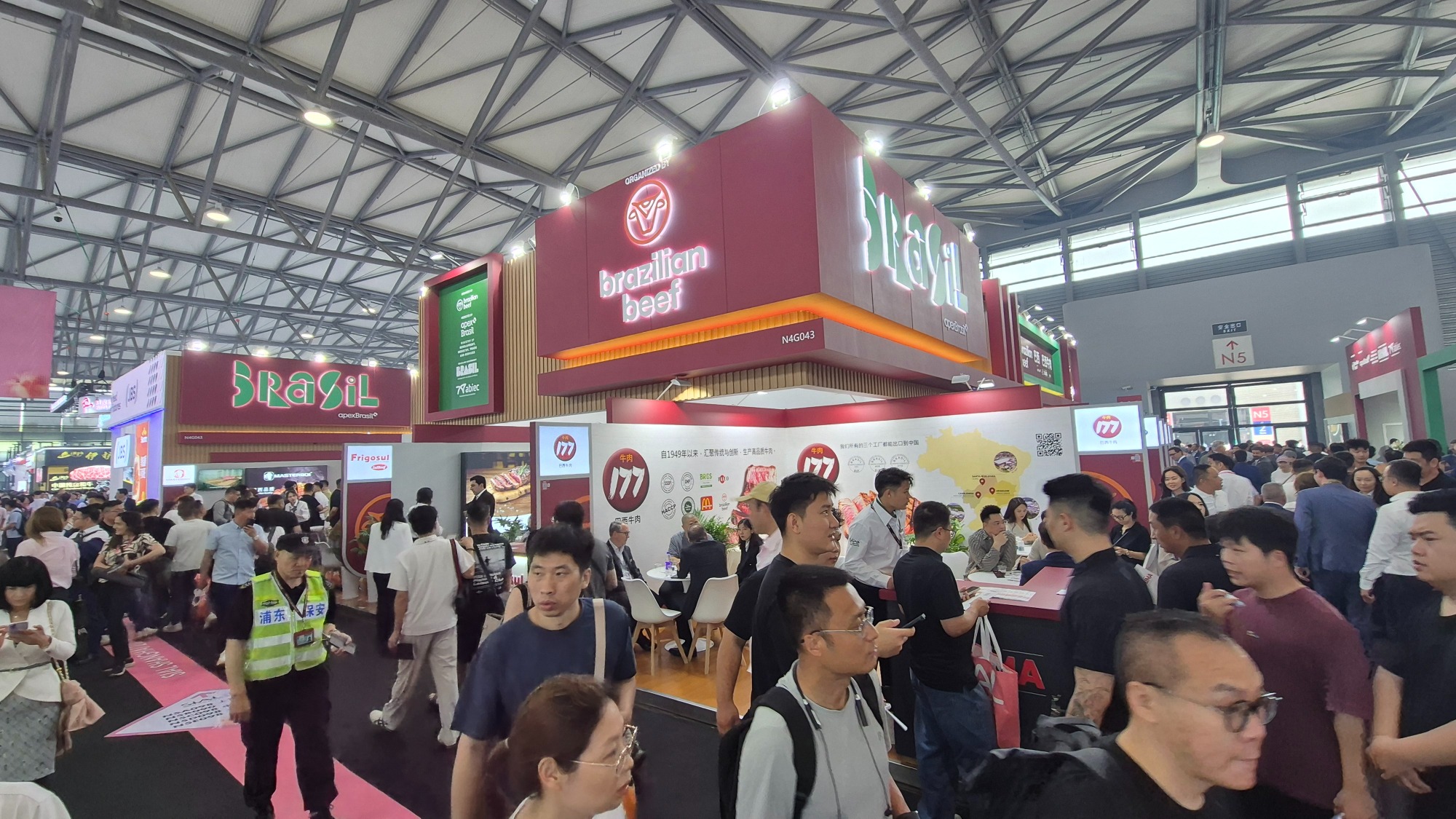
Brazil has established itself as a major supplier in the international beef market and is actively working to expand sales channels for its domestic beef through international trade fairs. A promotional booth for Brazilian beef was also operated at the SIAL trade fair held in Shanghai, China in 2026.
If Brazilian beef is allowed to enter the domestic market, it could impact the diversification of imported meat supply sources and the competitive price landscape. This is why both the domestic Hanwoo industry and the beef import and distribution sectors are closely watching whether imports will be permitted and the hygiene conditions involved.
However, regardless of expectations or concerns regarding increased imports, the final decision must be based on quarantine safety. Key verification criteria include whether Brazil's BSE surveillance and inspection system is sufficient, whether reporting and follow-up measures regarding past cases were appropriate, and whether responses such as rapid information sharing and import suspension are possible in the event of a future disease outbreak.
With the government's import risk assessment entering an intermediate stage, the extent to which the data requested during this parliamentary audit is faithfully submitted and verified is expected to be a key factor to watch in future negotiations on the import of Brazilian beef.
- #수입육
- #축산물
- #정책
- #유통
Related Content
terrestrial broadcast
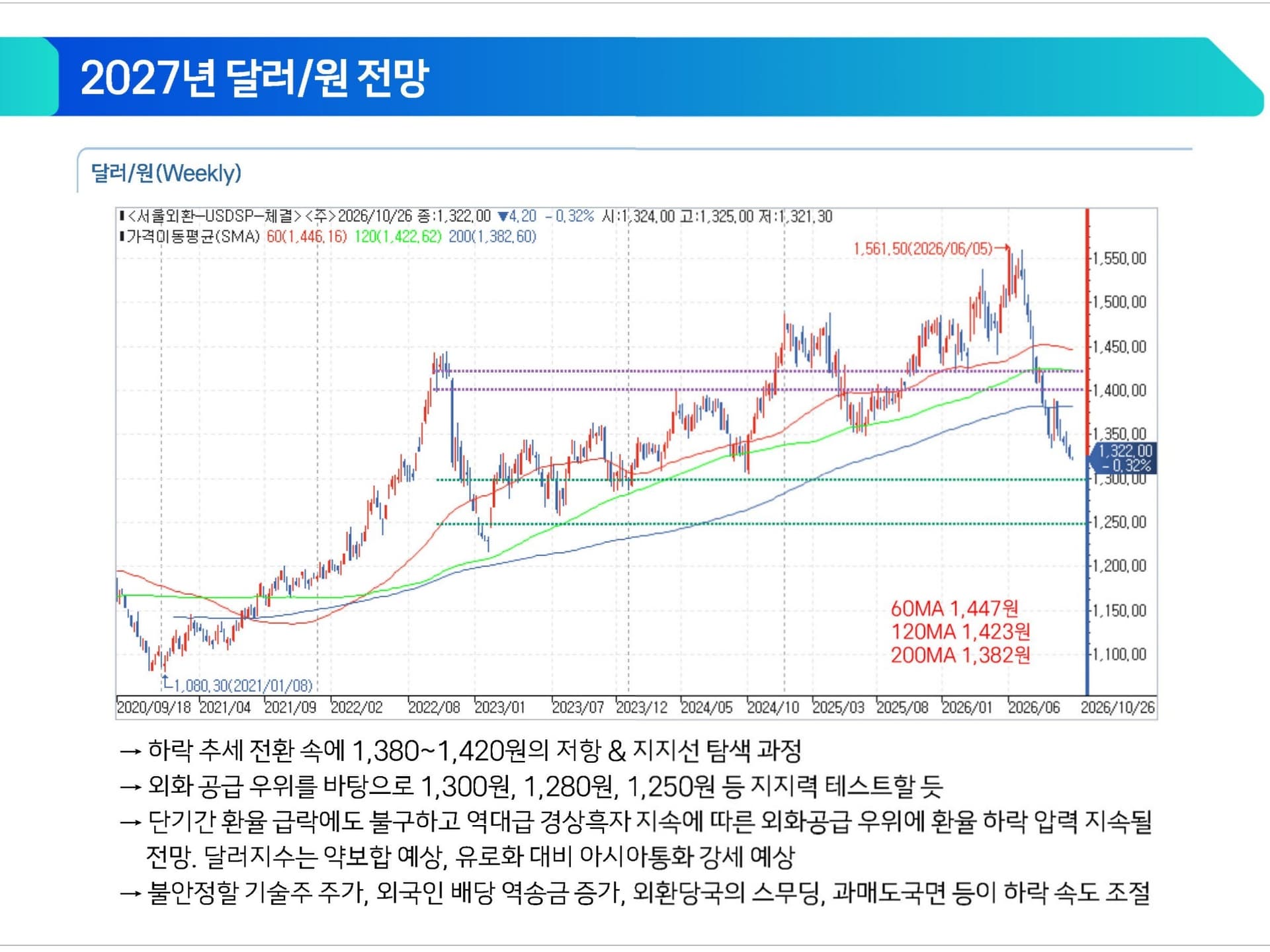
Dollars piling up in Korea… Will the exchange rate head below 1,300 won next year?
If the power to earn dollars is stronger than the demand to buy them, how low will the exchange rate fall? For Jung Mi-young, Director of the Research Center at Samsung Futures, who looks ahead to next year's won-dollar exchange rate, the starting point is the volume of dollars flowing into Korea.
2026.11.2
terrestrial broadcast
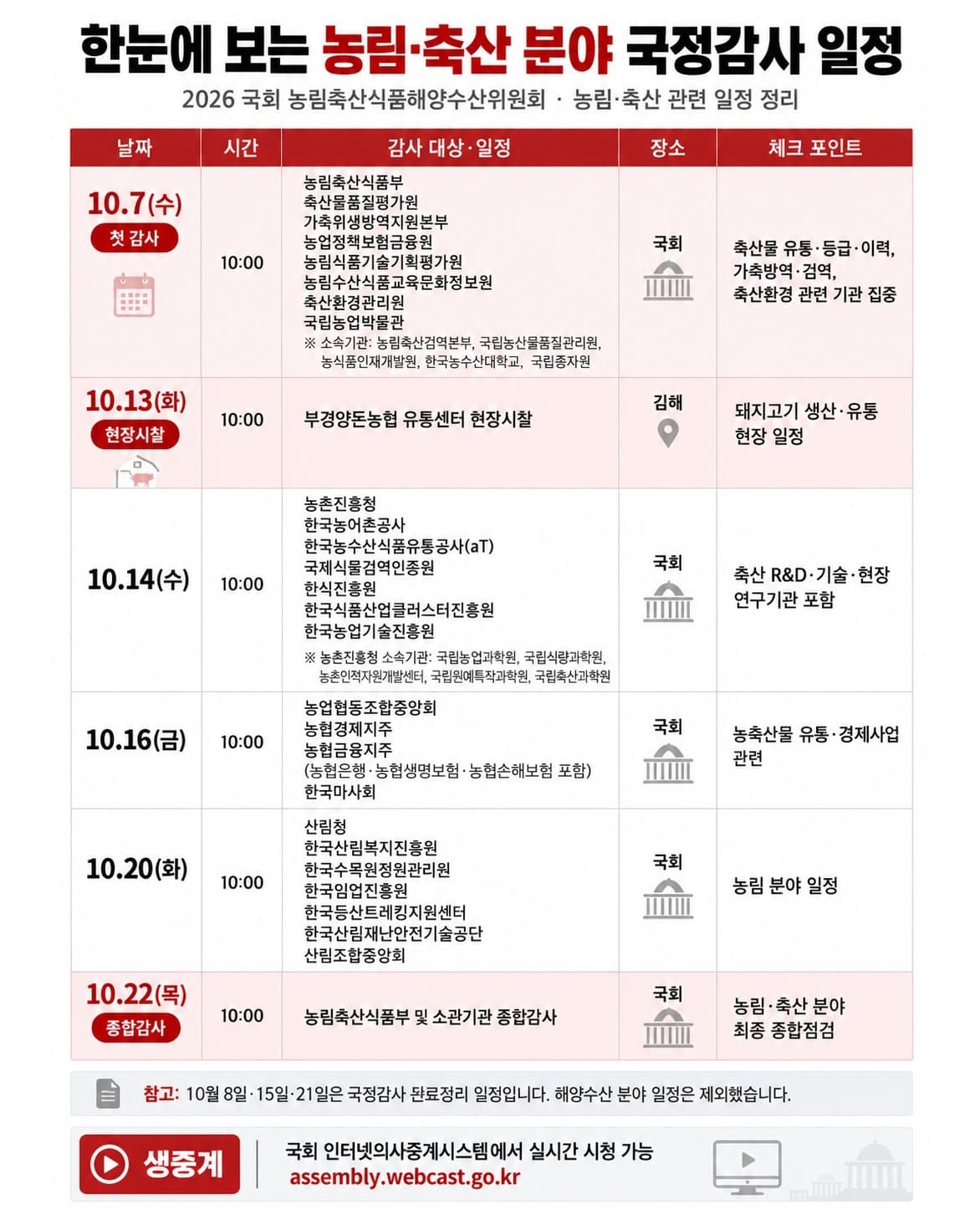
Parliamentary audit of the Ministry of Agriculture, Food and Rural Affairs begins on the 7th… Audits of the Korea Animal Production and Health Agency, Animal Disease Control and Prevention Agency, and Livestock Environmental Management Agency on the first day
The 2026 parliamentary audit of the National Assembly Agriculture, Food, Rural Affairs, and Fisheries Committee will begin in earnest on the 7th at 10 a.m., starting with the Ministry of Agriculture, Food and Rural Affairs. The overall parliamentary audit began on the 6th, and the first audit schedule for the agriculture and livestock sectors is the 7th.
2026.10.5
terrestrial broadcast
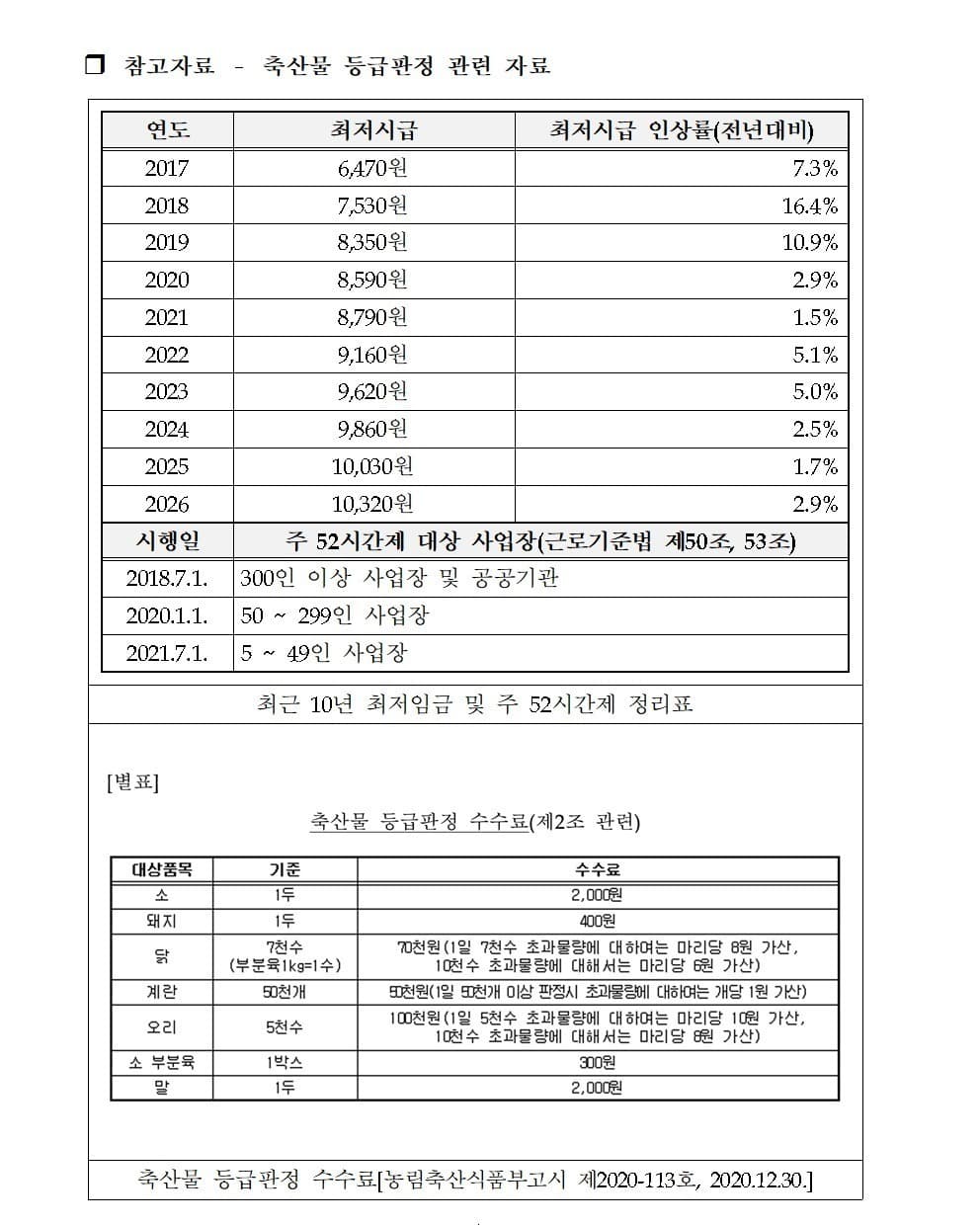
[National Assembly Audit] “KALP receives fees, but slaughterhouses bear the costs”… Rep. Moon Dae-rim urges system improvement during audit
The burden of electricity costs for slaughterhouses and the costs of cutting work required for grading cattle carcasses were raised as tasks for institutional improvement during the 2026 parliamentary audit. While the Korea Animal Products Quality Evaluation Institute stated that it collected 11.8 billion won in grading fees last year, it was pointed out that the slaughterhouses are actually bearing the labor and costs required for the cutting work.
2026.10.5