
DEEP DIVE
German Pig Prices 'Plunge'... 70 Euro Loss on Every Pig Sold
Carcass prices plummet to 1.32 euros per kg… lowest level for the same period in the last three years
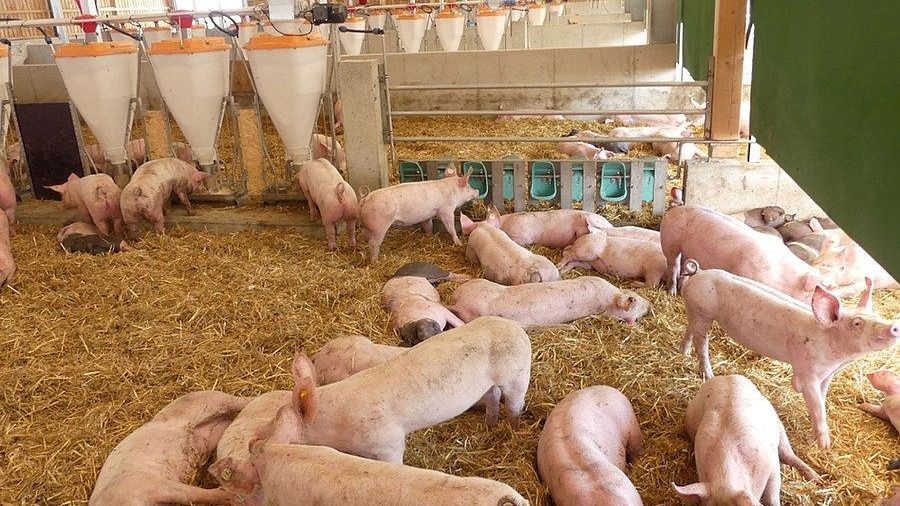
The management crisis for pig farms is deepening as the standard price of pork carcasses in Germany has fallen to 1.32 euros per kilogram. Producer organizations estimated that, taking into account total production costs, a loss of about 70 euros per pig is incurred.
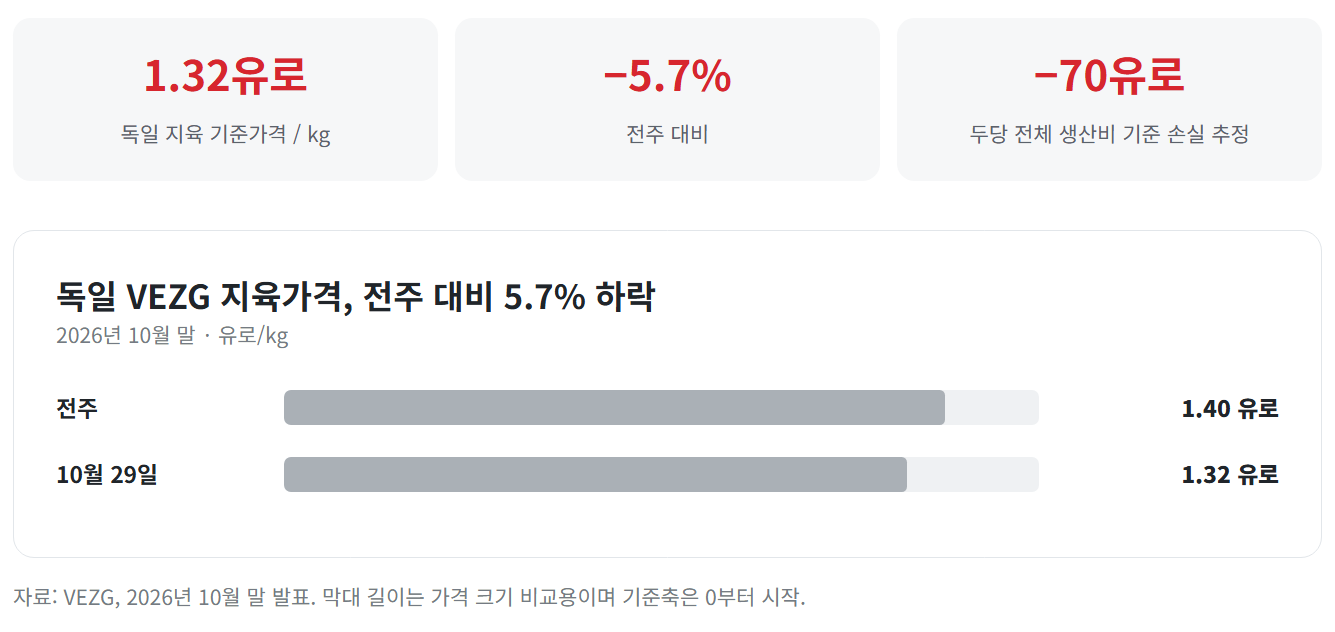
The benchmark price for pork carcasses at the end of October, announced by the German Federation of Livestock Producers' Associations (VEZG), was 1.32 euros per kg, down 0.08 euros (5.7%) from 1.40 euros the previous week. This price is a benchmark price for carcasses and may differ from the actual settlement price for farmers.
Lowest for the same period in the last three years… 22% lower than the year's high
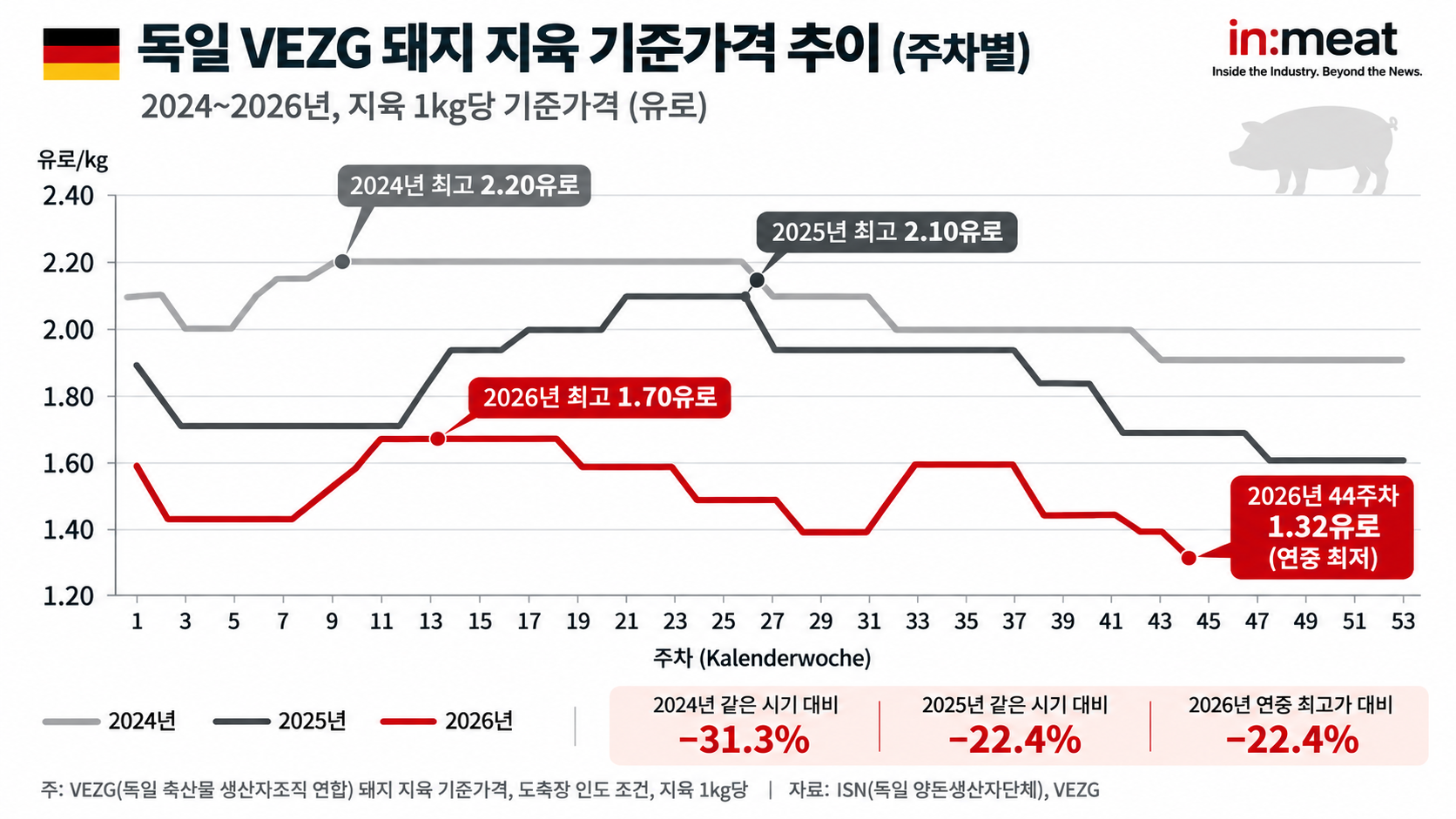
This price decline is notable even when compared to the same period over the past three years. According to the provided ISN·VEZG price trend data, the level is projected to be around 1.92 euros at the end of October 2024 and around 1.70 euros in 2025. This year's 1.32 euros is approximately 31% and 22% lower than these figures, respectively.
Compared to the annual peak of 1.70 euros per kg in 2026, this represents a decrease of 0.38 euros, or about 22.4%. However, the figures for the same period in 2024 and 2025 are approximations taken from the provided graph and need to be distinguished from the confirmed weekly figures.
Pork supply is sufficient, but meat sales are sluggish
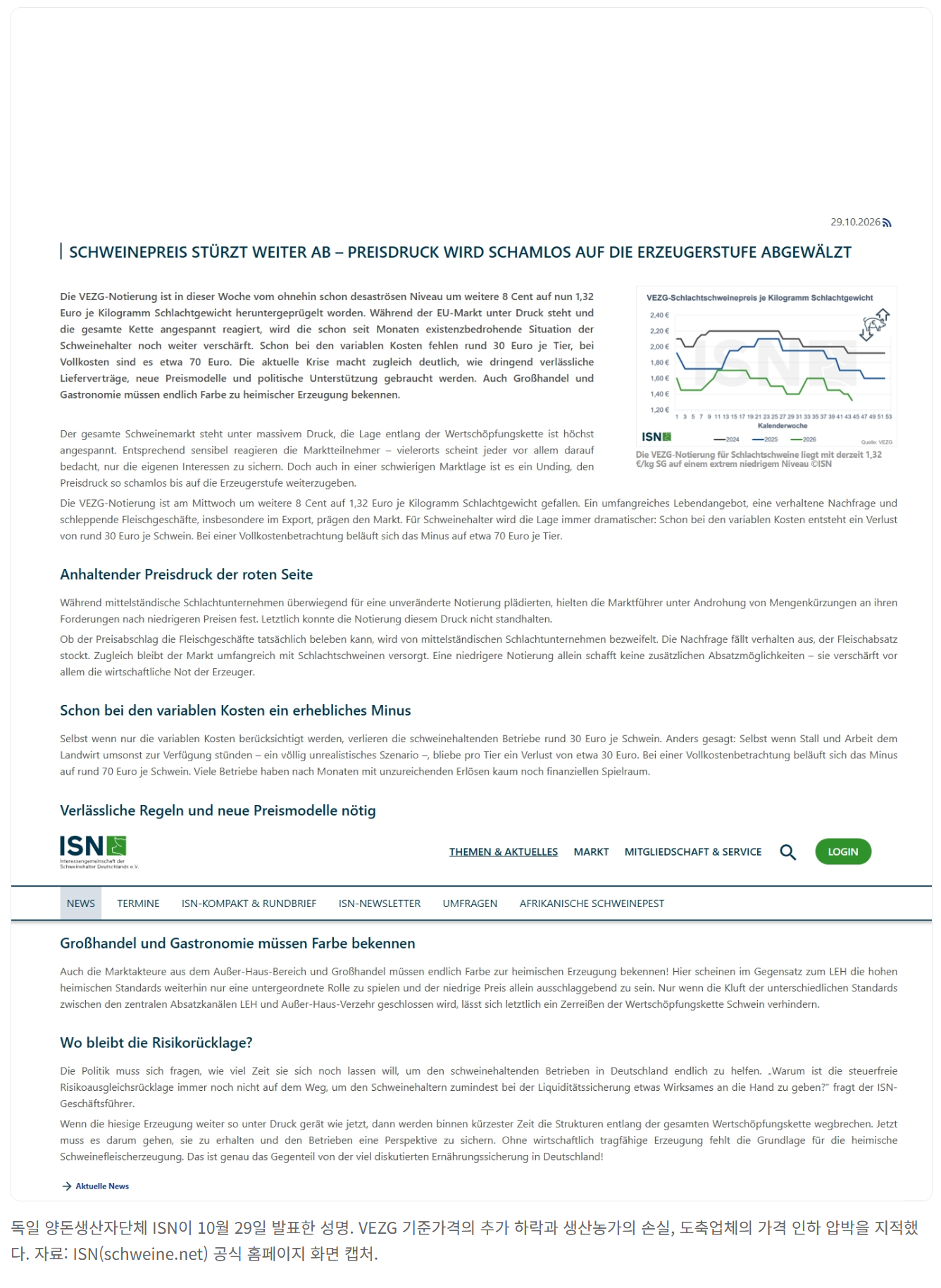
The weakness in prices is attributed to an abundant supply of pigs for slaughter and sluggish meat sales. In a statement on October 29, the German pork producers' association ISN explained that while shipments are plentiful, meat sales are weak and sales delays are occurring in export markets.
Sales volume related to VEZG pricing increased by 1,900 head from 277,100 head last week to 279,000 head. The average carcass weight also increased from 98.6 kg to 99.0 kg. However, this is the volume related to pricing and is not the same as the total number of slaughtered animals in Germany.
ISN pointed out that lowering the purchase price of pigs for slaughterhouses would not automatically lead to a recovery in sluggish meat sales. The argument is that reducing producer prices could merely exacerbate farm losses without serving as a solution to the sales slump. This is the stance of the producers' association and should be interpreted separately from the counterarguments of individual slaughterhouses.
In a statement released on October 29, the German pork producers' association ISN criticized the pressure from large slaughterhouses to lower prices, noting that the 0.08 euro per kilogram drop in VEZG prices over the course of a week was due to such pressure. According to ISN, while medium-sized slaughterhouses supported maintaining prices, major large companies demanded lower prices, citing the possibility of reducing purchasing volumes.
ISN “Shifting Price Burden to Producers”… Targeting Large Slaughterhouses
However, it cannot be concluded that slowing demand from China or ASF directly triggered the price decline in late October. In this article, it is necessary to examine export conditions by classifying them as structural burdens on the market.
In the European pork export market, China's import demand and trade restrictions due to African Swine Fever (ASF) are also significant variables. Germany has faced import restrictions in some offshore markets since the ASF outbreak, and such constraints can make it difficult to diversify sales channels.
Chinese demand and ASF constrain the diversification of export markets
However, to determine the extent to which sluggish exports from neighboring countries contributed to the recent decline in the German benchmark price, it is necessary to examine the latest export volumes by country and intra-regional trade performance together. What is confirmed as the direct basis for this price decline isSufficient supply of pigs for slaughter and sluggish meat salesall.
The weakness in German pork prices cannot be explained solely by domestic shipment volumes. The European Union (EU) is a market with active pork trade among member states. If major producing countries such as Spain and Denmark face difficulties in exporting outside the EU, sales competition within Europe may intensify, which also affects the sales conditions of German slaughterhouses and meat processing companies.
It is not just a problem for Germany… Sales competition across the entire European pork market
ISN: “70 Euro Loss Per Animal When Total Production Costs Are Reflected”
ISN estimated that at current price levels, producers are losing about 30 euros per pig in variable costs and about 70 euros in total production costs. This is an estimate presented by the producers' association and does not mean that the same loss is confirmed for all farms.
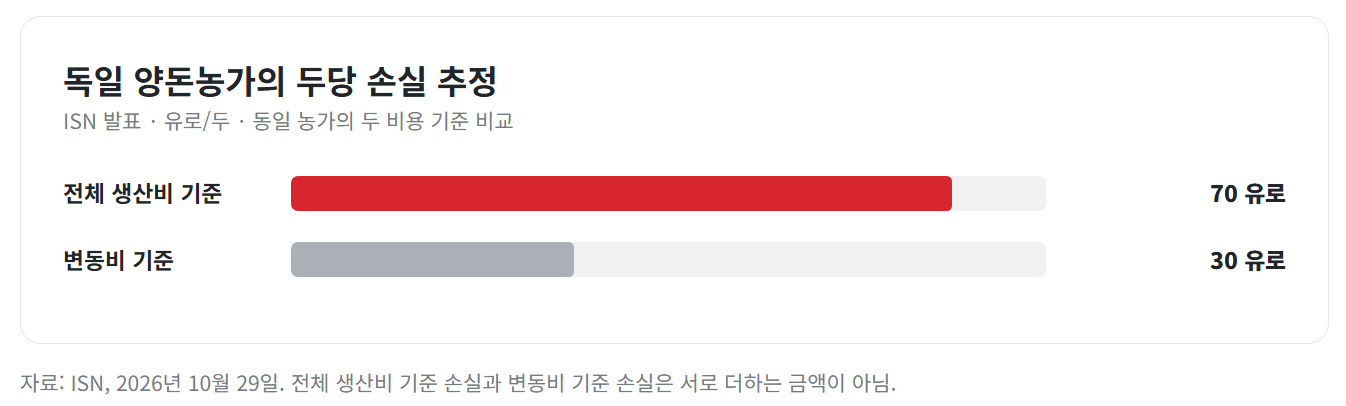
ISN criticized large slaughterhouses for shifting the burden of their price reduction demands onto producers. Conversely, farmers point out that their financial capacity is deteriorating as sales prices fall on top of already high production costs. The assessment regarding the demands of large companies should be viewed as ISN's argument.
The sharp drop in German pork prices demonstrates a structural issue where sluggish meat sales, export competition, and bargaining power at the slaughter and distribution stages lead to a management crisis for production farms, rather than being merely a matter of livestock numbers.
The key variable determining future price trends is the balance between the supply of pigs for slaughter and meat sales. Even if shipment volumes decrease slightly, a price rebound may be limited if domestic consumption and export sales in Europe do not recover. Conversely, if sales conditions improve, there is a possibility that purchasing demand from slaughterhouses will also change.
The key to the rebound is the recovery of meat sales rather than pig shipments.
In addition, ISN demanded stable supply contracts, a new pricing method, and policy support to back the liquidity of production farms. They explained that farms, whose profitability has been deteriorating for several months, are in a situation where they cannot withstand further price declines.
In this statement, ISN urged a responsible response not only from slaughterhouses but also from large retailers and the foodservice industry. It took issue with the practice of demanding high production standards within Germany while prioritizing only price in actual purchasing. The producers' association argued that the value chain of the pork industry can only be sustained if the distribution and foodservice stages demonstrate substantial support for domestic production.
South Korea Imports 27,624 Tons of German Pork… 94% is Pork Belly
The decline in prices in Germany is a variable attracting attention in the Korean imported meat market as well. From January to September 2026, the total volume of domestic pork import inspections was 402,154.9 tons, of which German pork accounted for 27,623.8 tons, or about 6.9%.
Among German imports, pork belly accounted for 26,078 tons, or 94.4%. As German pork imported into Korea is concentrated in specific cuts, attention is focused on how weak local prices will affect future export prices and trading conditions for frozen pork belly.
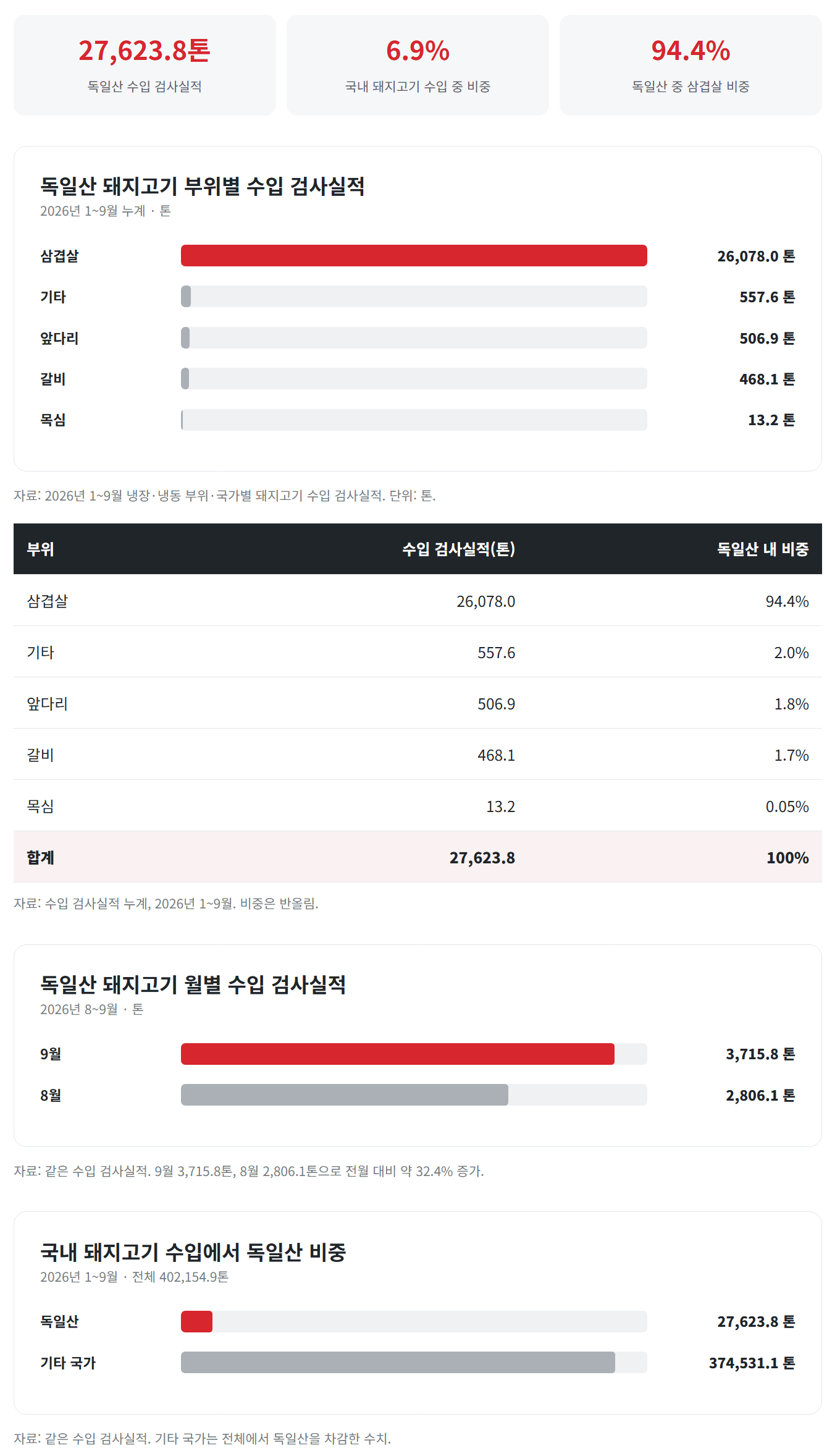
A decline in the German standard carcass price is not reflected immediately or at the same rate in the price of imported pork belly in Korea. Actual import prices vary depending on supply and demand by cut, the timing of the contract, exchange rates, freight costs, and trading conditions.
The German pork market is facing downward price pressure amidst sufficient supply volumes and sluggish meat sales. Key variables for the future market include whether the deterioration in farm profitability will be prolonged and how the price conflict between slaughterhouses, processors, and producers unfolds. The Korean meat import industry also needs to closely monitor changes in export prices and supply conditions for German frozen pork belly.
Sources and grounds for reporting
Announcement of German VEZG carcass benchmark prices · Statement by German pork producers' association ISN, October 29, 2026 · Provided by user · Data on VEZG price trends 2024–2026 · Pork import inspection results by chilled/frozen cuts and country, January–September 2026.
- #수입육
- #유통
Related Content
DEEP DIVE
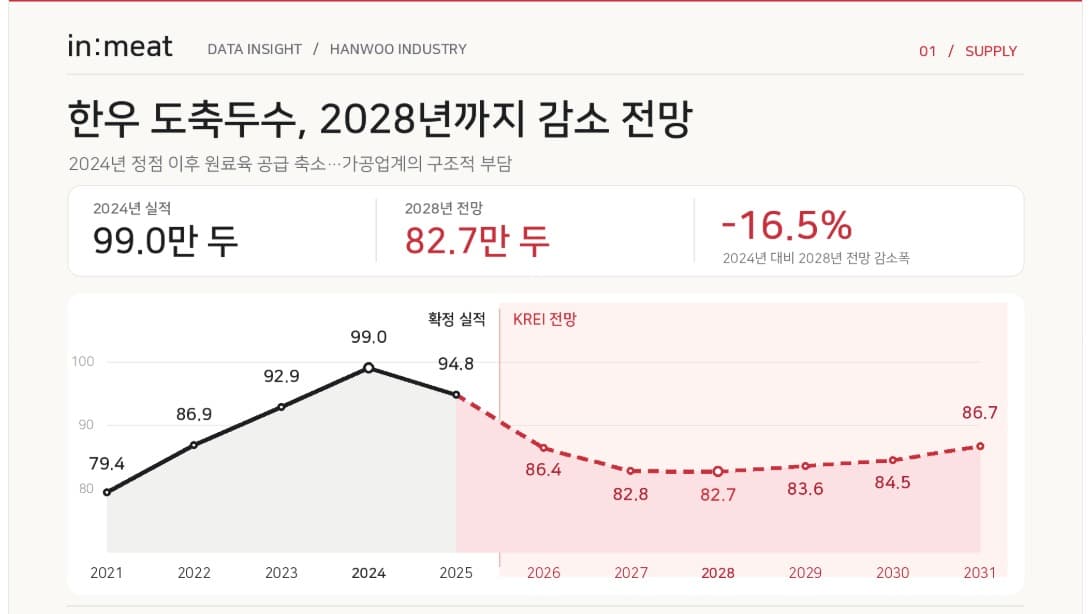
The Hanwoo meat processing business driven into a struggle for survival—is there no way out?
The Hanwoo beef processing industry stands at a crossroads of survival. The burden of maintaining existing production facilities and personnel is increasing as slaughter volumes have followed a decline in the number of cattle raised. On top of this, industry insiders explain that the business environment for processing companies is deteriorating due to a confluence of factors, including rising raw meat prices, intense competition in the market for specific cuts, and market expansion moves by major players.
2026.10.26
DEEP DIVE
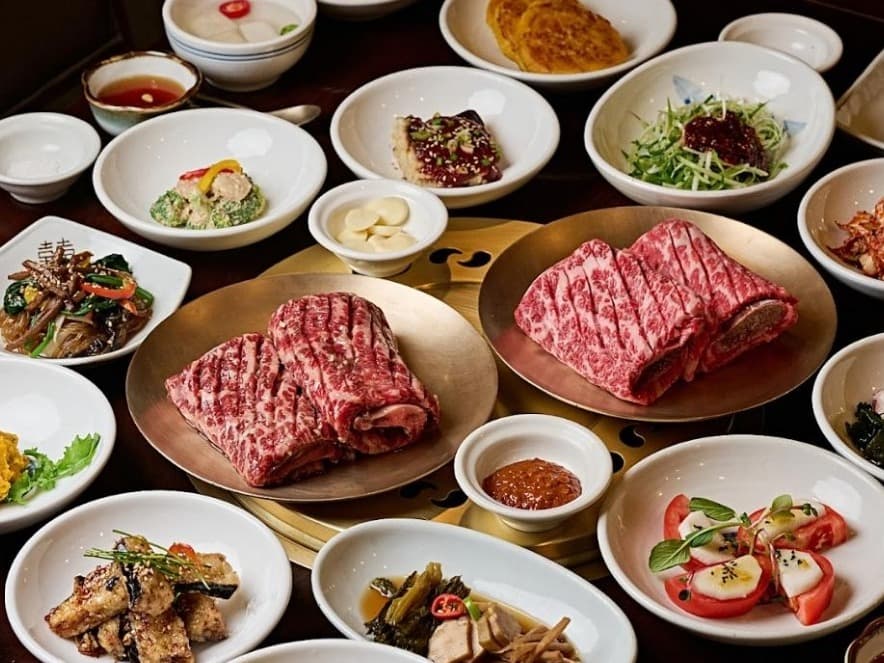
“We must buy it to survive” … Restaurant industry wages ‘raw material procurement war’ amid U.S. short rib shortage
The atmosphere surrounding U.S. beef short ribs in the domestic meat market is becoming increasingly volatile. Companies that had been delaying purchases due to rising import prices are now scrambling to secure raw materials, even if it means accepting the high costs. For restaurant businesses that sell ribs as their main menu item, the ability to continuously secure the necessary supply has emerged as a greater concern than the cost itself.
2026.10.21
DEEP DIVE
Hanwoo Exports Up 60%, But Market Concentration and Quarantine Barriers: One Hurdle After Another
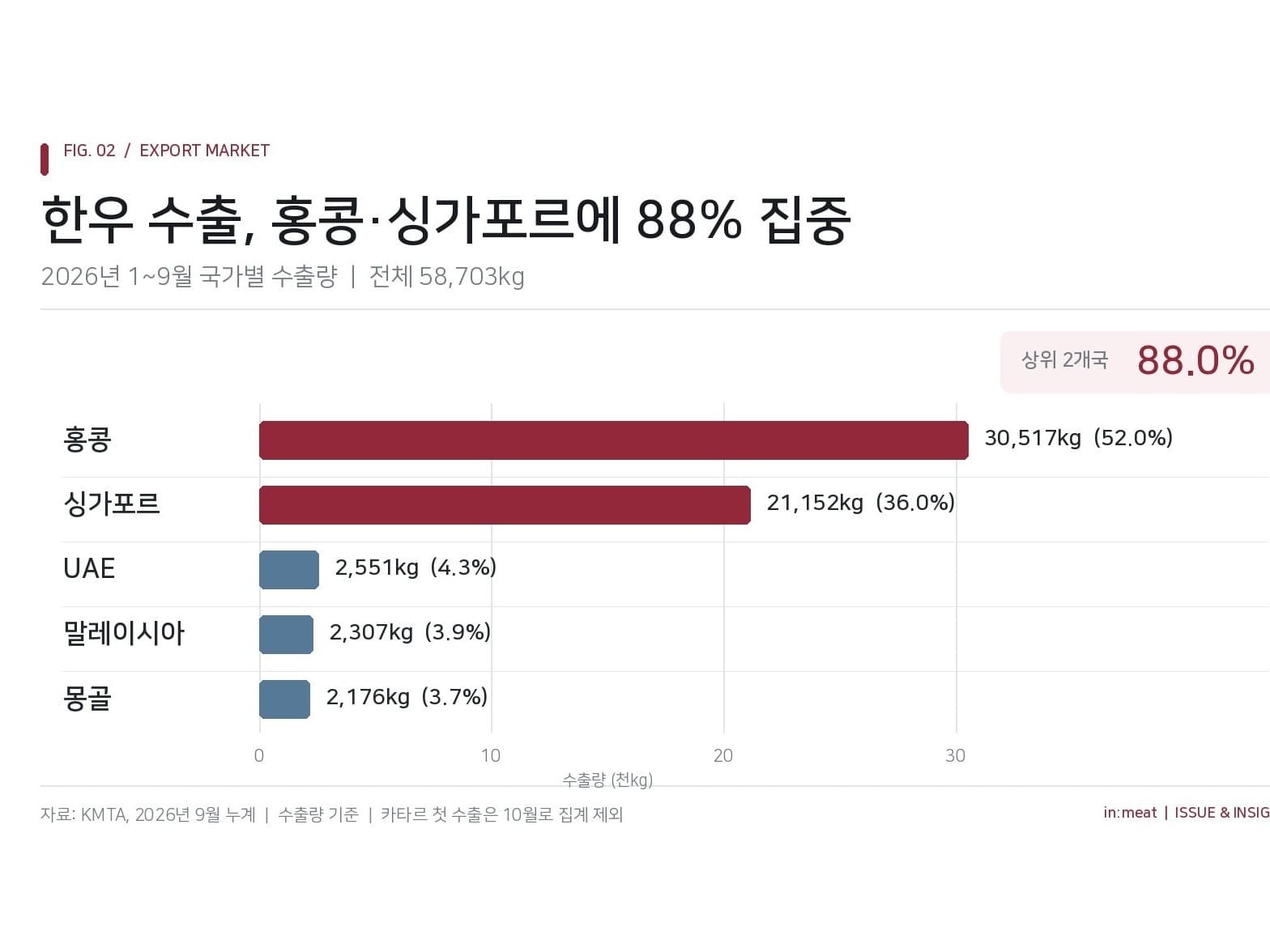
Hanwoo exports are increasing rapidly. The government has also presented a plan to link Hanwoo with the global K-food export promotion system. However, 88% of export volume is concentrated in the two markets of Hong Kong and Singapore, and on-site issues such as slaughter and quarantine procedures for export and restrictions on market access due to livestock diseases remain unresolved.
2026.10.13