
DAILY BRIEF
Highly pathogenic avian influenza found at 260,000-hen laying hen farm in Yeoju… 3 poultry farms confirmed infected in four days
H5N9 found in laying hens in Yeoncheon and broiler ducks in Jangheung; H5N1 found in laying hens in Yeoju
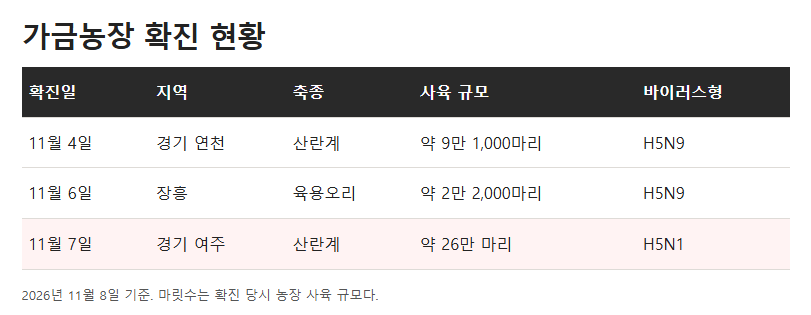
Highly pathogenic H5N1 avian influenza (AI) was confirmed on November 7 at a laying hen farm in Yeoju, Gyeonggi Province, with a scale of approximately 260,000 birds. This is the third confirmed case at a domestic poultry farm this winter season, following a laying hen farm in Yeoncheon, Gyeonggi Province on the 4th and a broiler duck farm in Jangheung on the 6th.
Yeoncheon and Jangheung are H5N9, Yeoju is H5N1
The first confirmed case of this winter season was reported in Yeoncheon on the 4th. A farm owner reported an increase in chicken deaths, and the H5N9 strain was confirmed through a detailed examination. On the 6th, the H5N9 strain was also detected at a broiler duck farm in Jangheung following a report of rising deaths. This marks the first confirmed case at a duck farm this winter. On the 7th, the H5N1 strain was confirmed at a laying hen farm in Yeoju after a report of increased deaths.
An epidemiological link between the two farms in Yeoncheon and Jangheung was not confirmed in the publicly available data. With highly pathogenic AI also detected in wild birds, the entry routes for each farm must be examined based on the results of epidemiological investigations, including the movement history of people and vehicles. On the 2nd, the H5N1 strain was confirmed in the carcass of a wild leopard cat collected near Ganwol Lake in Seosan, South Chungcheong Province. This marks the first detection in wild mammals this winter season and is counted separately from the three confirmed cases at poultry farms.
Laying hens are inspected nationwide, while ducks are inspected up to affiliated contract farms.
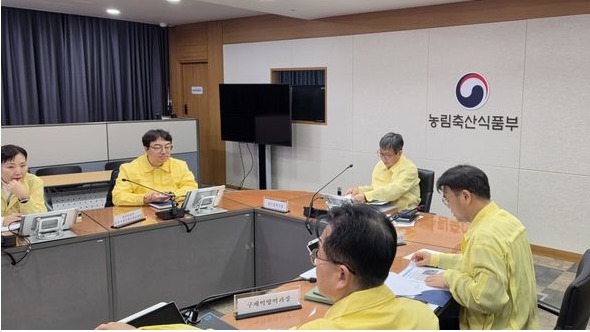
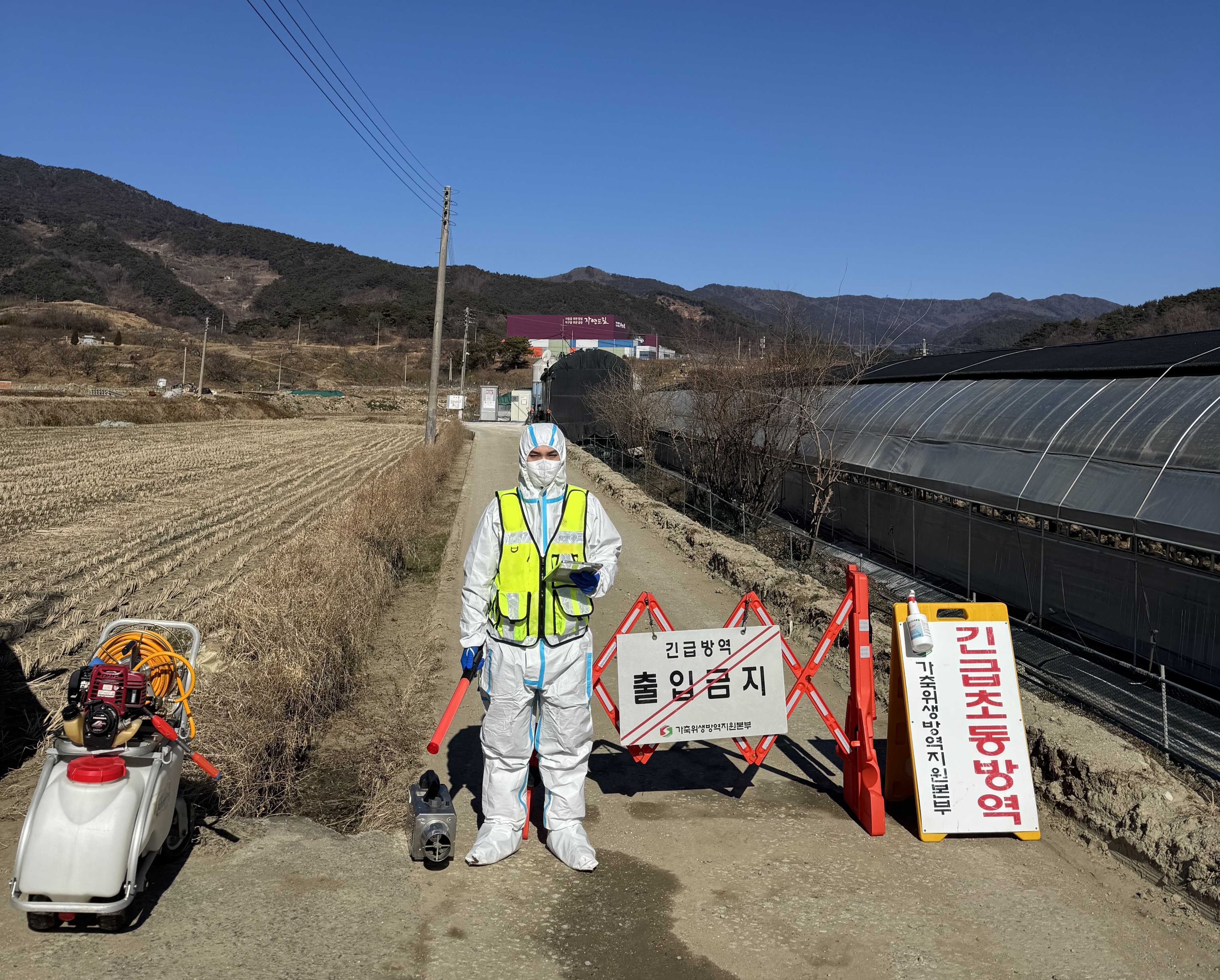
The Central Disaster Management Headquarters for Highly Pathogenic Avian Influenza (HPAI) has restricted access to the affected farm in Yeoju and initiated culling and epidemiological investigations. A 24-hour temporary movement ban has been issued for chicken farms, livestock facilities such as slaughterhouses and feed factories, and livestock transport vehicles in Gyeonggi, Gangwon, and Chungbuk provinces. Thirty-eight poultry farms within a 10km radius of the Yeoju outbreak site have been designated for detailed inspection. Farms within the protection zone, defined as a 3km radius, will undergo detailed inspections every five days following the mass inspection.
The Central Disaster and Safety Countermeasure Headquarters is shortening the frequency of detailed inspections at laying hen farms nationwide from once a quarter to once every two weeks. It will inspect the quarantine and disinfection status of 14 densely populated laying hen complexes and inspect carcasses from farms within these complexes on a weekly basis. The scope of facilities subject to the installation of movement control checkpoints will be expanded from existing large-scale laying hen farms with over 200,000 birds to include breeder, parent stock, and parent stock duck farms, as well as dense rearing complexes. The operational status of egg transshipment centers will be inspected until the 16th, and nationwide disinfection will continue until the 17th.
Jangheung will conduct a simultaneous inspection of all duck farms within the county and nationwide contract farms of the affected affiliates until the 13th. The inspection rate for farms shipping ducks to the affiliates' slaughterhouses will be increased from 30% to 60% for 14 days. Duck stocking and shipping must each be completed within one day, and stocking will be restricted for 14 days after shipping. Ducks can only be brought in again after passing subsequent inspections and checks.
For eggs, the key factor is the actual decrease in shipments, while for duck meat, the slaughter schedule is the issue.
Two out of three confirmed cases at poultry farms this winter originated from laying hen farms. During the 2025/26 season as well, 31 out of 62 outbreaks at poultry farms were at laying hen farms, 17 of which were large-scale farms raising over 100,000 birds. To assess the impact on egg supply, it is necessary to verify the actual number of birds culled at the Yeoju farm, the daily egg shipment volume, and whether there are any additional confirmed cases at large-scale laying hen farms.
For duck meat, delays in shipments caused by inspections or movement restrictions could immediately affect the schedule for entry into slaughterhouses. Delays in stocking at farms that have completed shipments could impact the timing of future shipments. It is difficult to estimate the reduction in nationwide supply for both items based on currently available data. The results of inspections at the Yeoju quarantine zone and affiliates in Jangheung, along with actual egg shipments and duck entry into slaughterhouses, serve as the criteria for assessing supply and demand impacts.
- #축산물
- #정책
- #유통
Related Content
DAILY BRIEF
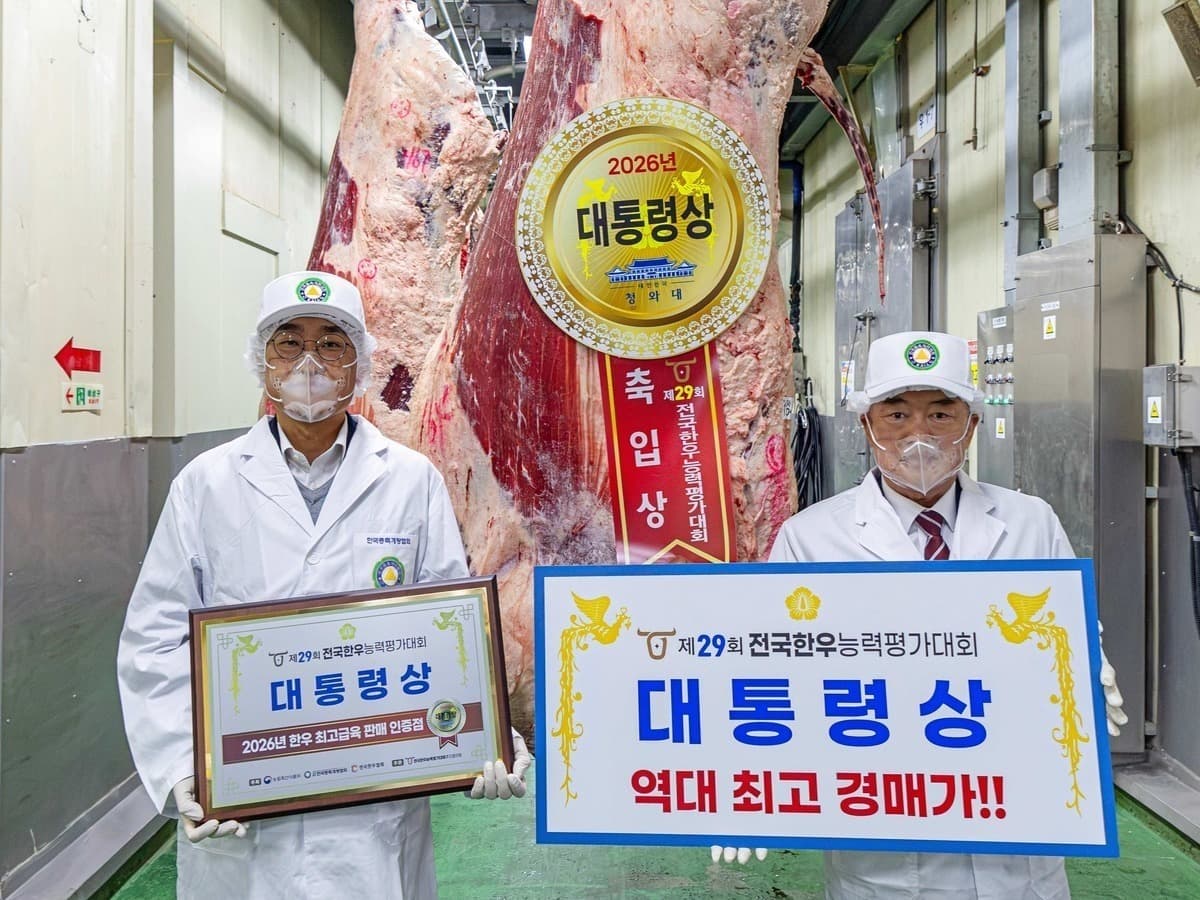
Dongwon Home Food Wins Presidential Award-Winning Hanwoo for 98.64 Million Won… 16th Consecutive Year of Purchase
Dongwon Home Food won the bid for the Presidential Award-winning Hanwoo at the 29th National Hanwoo Performance Evaluation Competition for 98.64 million won. This is the highest price in the competition's history, 4.63 million won higher than last year's 94.01 million won.
2026.11.8
DAILY BRIEF
Cyberattacks on European Cold Storage Facilities Continue… EU Urges Urgent Security Measures
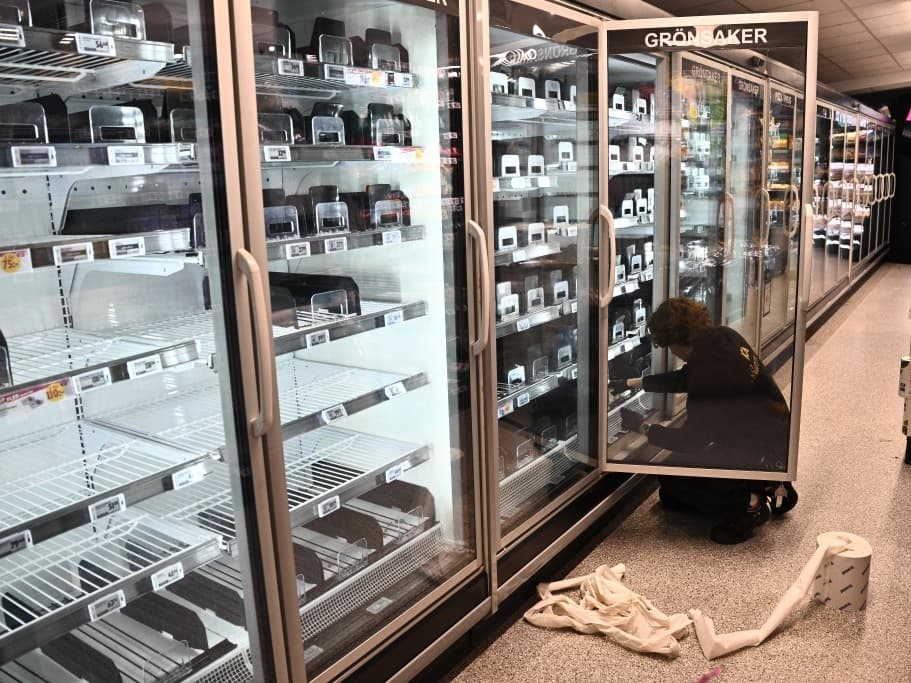
European Union (EU) authorities have launched a joint response following a series of cybersecurity incidents targeting commercial refrigeration facilities in Europe. Digital security for refrigeration equipment is also emerging as a major management challenge in distribution sites handling temperature-sensitive foods, such as meat.
2026.11.6
DAILY BRIEF
U.S. USD Provides $51.9 Million for Wild Boar Control and Management
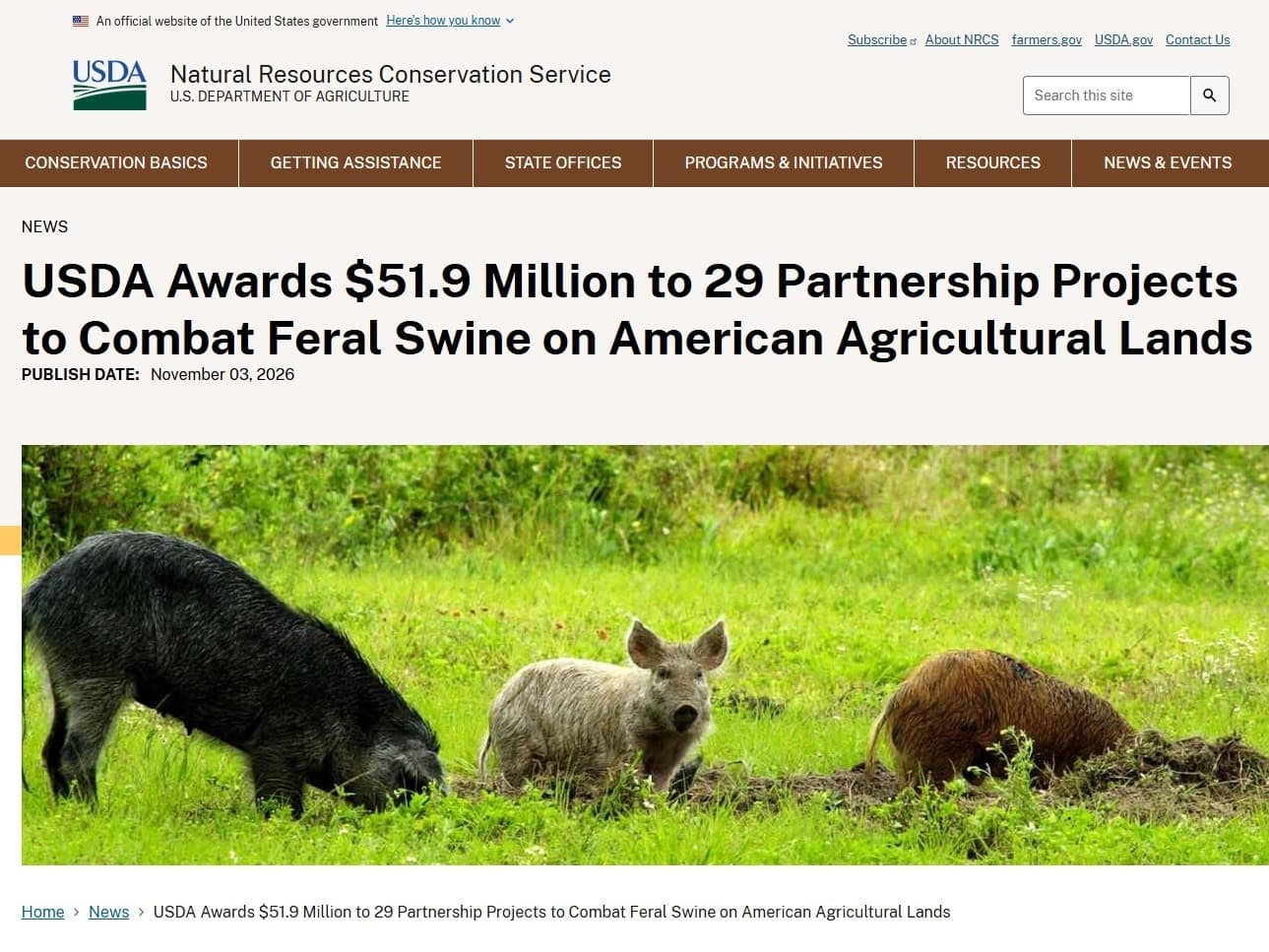
The U.S. Department of Agriculture (USDA) is providing a total of $51.9 million to 29 cooperative projects in 13 states to reduce agricultural damage caused by wild boars and protect the health of livestock and people.
2026.11.6