
DAILY BRIEF
A Quick Look at Beef Grading Systems and Automation Technology Trends in Major Global Countries
Korea Animal Products Quality Evaluation Institute Issues ‘2026 Overseas Livestock Information’ Report

On September 17, the Korea Animal Products Quality Evaluation Institute (President Park Su-jin) published the report ‘2026 Overseas Livestock Information: Trends in Beef Grading Systems and Automated Grading Technology for Cattle Carcasses* in Major Foreign Countries’ to support the development of domestic livestock grading systems and technology.
* Carcass: The basic form of livestock immediately before slaughter and processing for food (the state in which bones and meat are attached)
This ‘2026 Overseas Livestock Information Trends Report’ covers the livestock industry structures, distribution environments, major consumption characteristics, and status in export markets for major countries such as the United States, Australia, Japan, and Europe. Based on this, it includes the results of a comprehensive comparative analysis of the operational objectives, evaluation criteria, and related technologies of each country’s livestock product grading system.
According to the report, beef grading systems vary among countries. The United States evaluates both quality and yield, while Australia links carcass characteristics with consumer "palatability." Japan and Korea subdivide meat quality based on marbling, whereas the EU appears to focus on standardizing trade between member states.
* Yield: The amount or ratio of meat (lean meat) obtained when slaughtering one cow.
* Taste Quality: The taste and quality perceived by consumers when actually eating.
The report also analyzed that beef grading systems in various countries are recently shifting from evaluating meat appearance or commercial value to a quality-centered assessment based on what consumers actually experience. Australia's Meat Standard Australia (MSA) is a representative example, a system that predicts consumer palatability by utilizing carcass data. In the United States, discussions are also underway to revise grading standards to reduce the gap between grading results and the quality perceived by consumers.
The report also covers the expanding trend of automating beef carcass grading using measurement technologies such as video analysis, artificial intelligence (AI), and 3D. In the United States, Australia, and Japan, technology is being utilized to measure and analyze marbling, intramuscular fat percentage, and loin cross-sectional area using images of loin cross-sections. Furthermore, it was found that portable technologies utilizing smartphones and small cameras are also being developed and commercialized.
In addition, information on pig and egg grading systems in major foreign countries is also included, allowing you to compare grading systems by country and livestock type.
In this regard, Park Su-jin, President of the Korea Animal Products Quality Evaluation Institute, said, “I hope this report will serve as a useful reference for understanding the trends in beef grading systems and automated grading technologies in major countries, and for reviewing related domestic fields.”
Meanwhile, the Korea Animal Products Quality Evaluation Institute publishes an annual ‘Trend (Issue) Report’ containing global livestock trends, which can be downloaded from the ‘Dabom Livestock Distribution Information’ website.
* Access path: Livestock distribution informationDabom www.ekapepia.com) → Communication Information → KAPE Report → Publications
Related Content
DAILY BRIEF
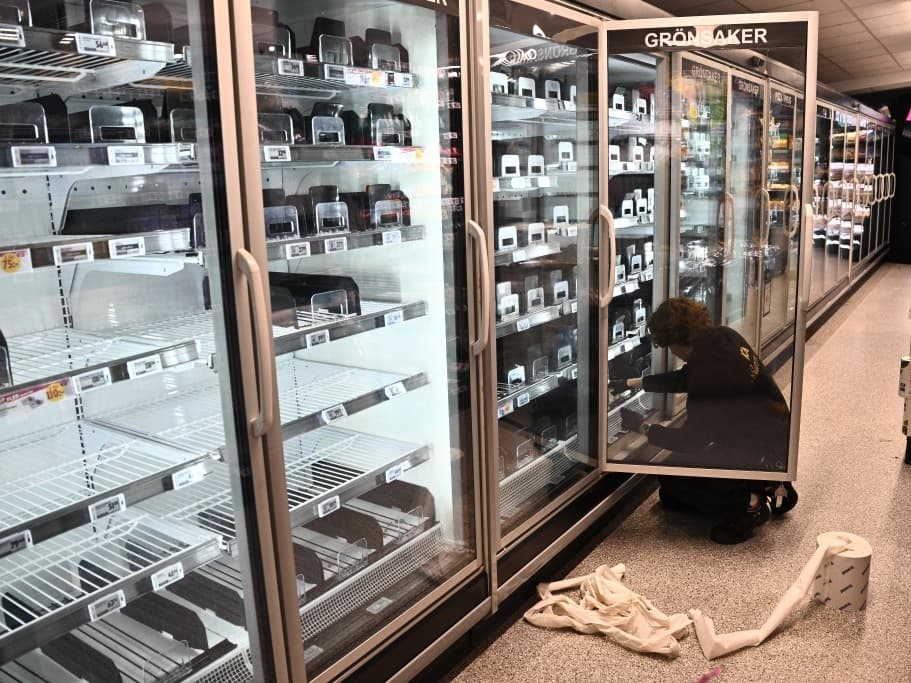
Cyberattacks on European Cold Storage Facilities Continue… EU Urges Urgent Security Measures
European Union (EU) authorities have launched a joint response following a series of cybersecurity incidents targeting commercial refrigeration facilities in Europe. Digital security for refrigeration equipment is also emerging as a major management challenge in distribution sites handling temperature-sensitive foods, such as meat.
2026.11.6
DAILY BRIEF
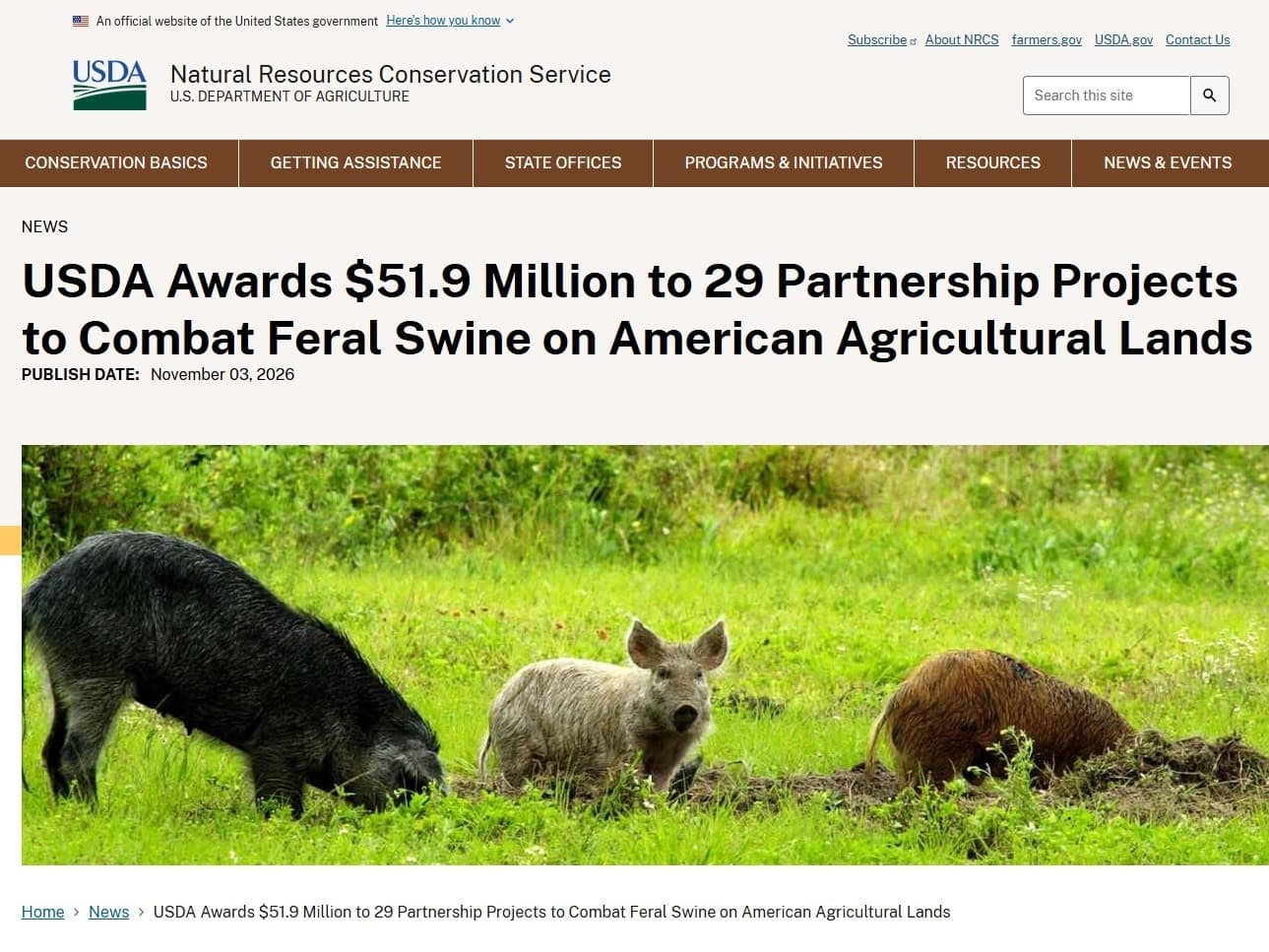
U.S. USD Provides $51.9 Million for Wild Boar Control and Management
The U.S. Department of Agriculture (USDA) is providing a total of $51.9 million to 29 cooperative projects in 13 states to reduce agricultural damage caused by wild boars and protect the health of livestock and people.
2026.11.6
DAILY BRIEF
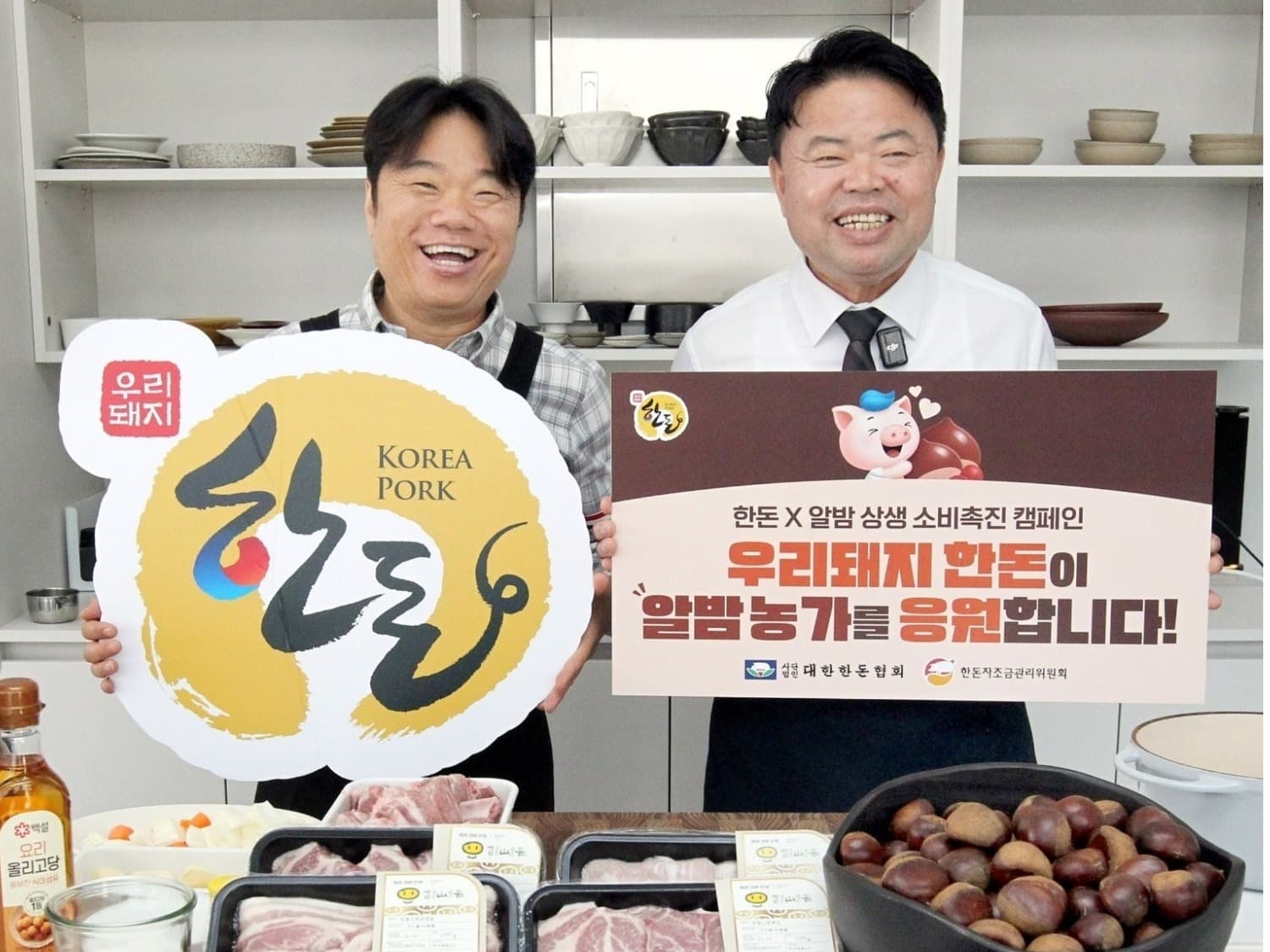
The Meeting of Korean Pork and Domestic Chestnuts… ‘Ok-Jubu’ Jung Jong-cheol Unveils 3 Dishes for Coexistence
The Korea Pork Self-Funding Committee announced on the 6th that it filmed special cooking content for ‘Han-don x Our Night’ on November 5th with comedian Jung Jong-chul, an honorary ambassador for Han-don, and Chairman Lee Ki-hong.
2026.11.6