
DAILY BRIEF
Brazilian beef exports plummet 35% as China's route blocked, while U.S. exports surge 389%
Exports to China Drop 93.2% to 12,900 Tons… Safeguard Impact Begins in Full Swing
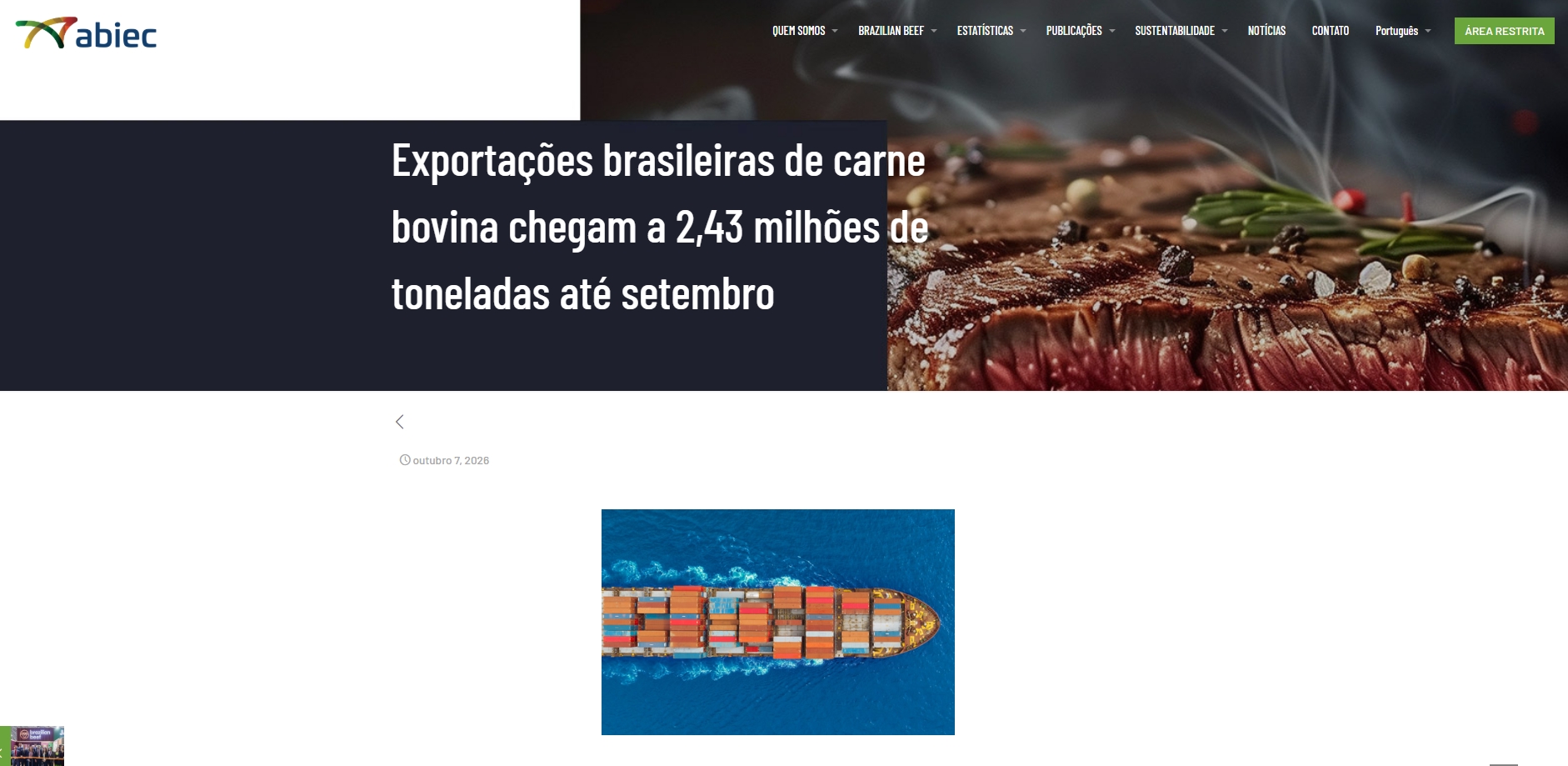
The export market of Brazil, the world's largest beef exporter, is rapidly changing due to China's import restrictions.
While Brazilian beef exports to China plummeted due to China's beef safeguard measures, exports to the United States and some other countries increased significantly. However, as the increase in exports to new markets alone was insufficient to fully offset the decline in the Chinese market, Brazil's total beef export volume also dropped sharply.
According to data released by the Brazilian Beef Export Association (ABIEC) on October 7Brazil's beef exports in September 2026 amounted to 229,300 tons, down 35.1% from 353,100 tons during the same period last year.
Exports also decreased by 27.6% from $1.9 billion last year to $1.38 billion.
Compared to the previous month, export volume decreased by 1.8%, but export value increased by 1.1%.
Beef exports to China plummet 93.2%
The biggest reason for the decline in Brazilian beef exports is the Chinese market.
Brazil's beef exports to China in September12,900 tons, a 93.2% decrease compared to the same month last yeardid.
Exports also fell by 92.9% to $75.2 million.
This is due to the deterioration of export conditions for Brazilian beef caused by the beef safeguard measures currently being implemented by the Chinese government.
China has been applying country-specific import quotas to major beef suppliers since 2026 and is imposing high additional tariffs on quantities exceeding the allocated amount.
Brazil significantly expanded exports to the Chinese market in the first half of the year, but exports decreased sharply in the second half as the impact of regulations resulting from the exhaustion of quotas began to materialize.
In fact, Brazil's total monthly beef exports continued to decline from 317,000 tons in June to 264,000 tons in July, 233,000 tons in August, and 229,000 tons in September.
Roberto Perosa, Chairman of ABIEC, explained that the industry has faced significant difficulties over the past three months as it has become difficult to export normally to the Chinese market.
In particular, despite the production and processing capabilities demonstrated by the Brazilian meat industry in the first half of the year, the position is that it is difficult to replace the demand of the Chinese market in the short term solely through the expansion of exports to other countries.
Exports to the U.S. Surge 389%... Become Largest Export Market in September
With the Chinese market shrinking, the United States has emerged as a new major export destination for Brazilian beef.
The volume of exports to the U.S. in September is48,300 tons, a 389% increase compared to the same month last yeardid.
Exports increased by 333.8% to $313.8 million.
As a result, the United States became the largest export market for Brazilian beef in September.
However, the growth rate of exports to the U.S. also reflects the base effect from last year's contraction due to high U.S. tariffs. The recent improvement in import conditions in the U.S. market has also influenced the increase in exports.
Imports of Brazilian beef have expanded in countries other than the United States.
Chile imported 19,400 tons, an 87.2% increase compared to the same month of the previous year, and Russia imported 13,100 tons, a 20.5% increase.
Indonesia increased by 822% to 9,400 tons, Saudi Arabia by 35.8% to 7,700 tons, and Turkey by 129.5% to 5,900 tons.
Canada also imported 4,000 tons, an increase of 870.7%. While the export markets for Brazilian beef are diversifying in this way, it is still insufficient to fully offset the decline in exports to the Chinese market.
Cumulative exports actually increased by 14.1%
Although export performance in September decreased significantly, the yearly cumulative performance is maintaining a relatively steady trend.
According to ABIEC, Brazil's beef exports from January to September this year2.43 million tons, a 0.5% decrease from 2.44 million tons during the same period last year.did.
On the other hand, exports increased by 14.1% from $12.42 billion last year to $14.17 billion this year.
The fact that export value increased despite a slight decrease in export volume indicates that price factors, such as rising export unit prices, played a role.
Looking at cumulative export figures by country, China remains the largest export market for Brazilian beef. From January to September of this year, exports to China totaled 912,000 tons, a 20.9% decrease compared to the same period last year, but accounted for 37.5% of total exports.
Exports amounted to $5.59 billion, accounting for 39.4% of total exports. Cumulative exports to the United States increased by 45% to 317,400 tons, and export value rose by 60.8% to $2.08 billion.
Chile and Russia also established themselves as major export markets, recording 126,700 tons and 109,400 tons, respectively.
In this regard, Roberto Perosa, President of ABIEC, stated, "Brazilian beef maintains competitiveness in the global market and continues to perform well in various markets," adding, "We are continuing discussions with the government to ensure a stable supply to the Chinese market in 2027."
ABIEC explained that China remains the most important export market for Brazilian beef and plans to continue cooperating with relevant agencies to ensure a stable supply of export volumes.
- #수입육
- #유통
Related Content
DAILY BRIEF
Cyberattacks on European Cold Storage Facilities Continue… EU Urges Urgent Security Measures
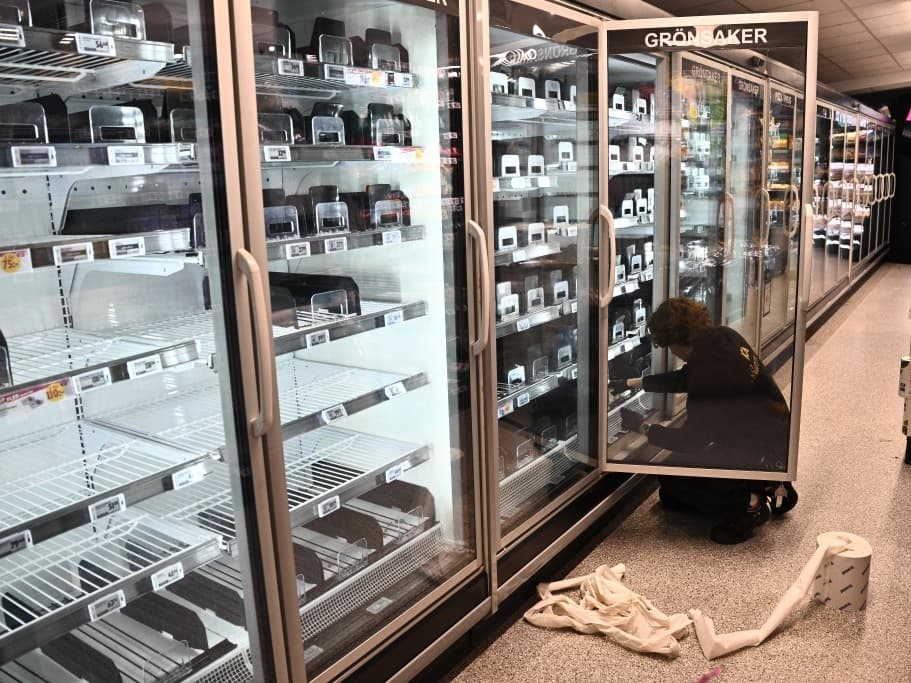
European Union (EU) authorities have launched a joint response following a series of cybersecurity incidents targeting commercial refrigeration facilities in Europe. Digital security for refrigeration equipment is also emerging as a major management challenge in distribution sites handling temperature-sensitive foods, such as meat.
2026.11.6
DAILY BRIEF
U.S. USD Provides $51.9 Million for Wild Boar Control and Management
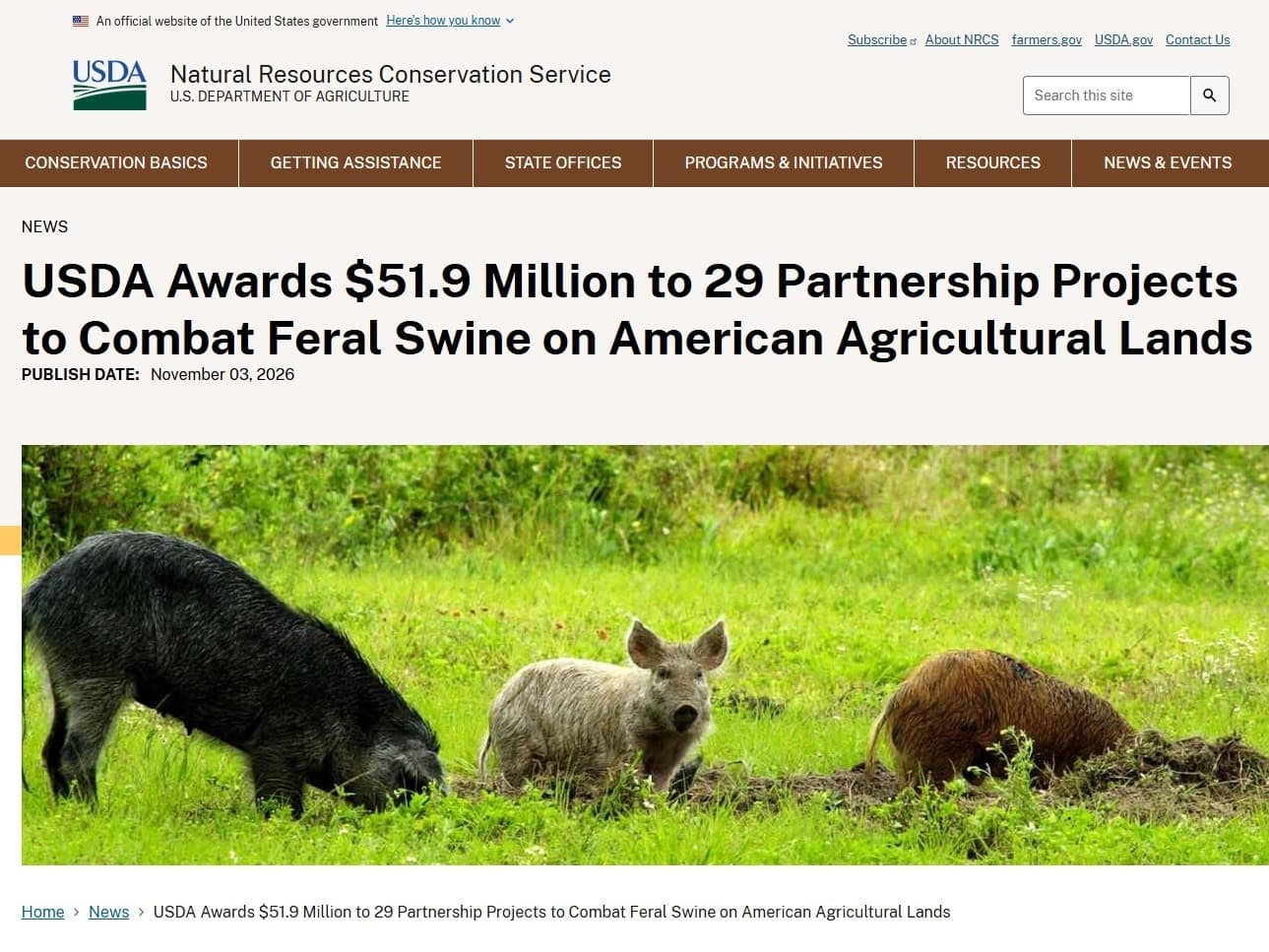
The U.S. Department of Agriculture (USDA) is providing a total of $51.9 million to 29 cooperative projects in 13 states to reduce agricultural damage caused by wild boars and protect the health of livestock and people.
2026.11.6
DAILY BRIEF
The Meeting of Korean Pork and Domestic Chestnuts… ‘Ok-Jubu’ Jung Jong-cheol Unveils 3 Dishes for Coexistence
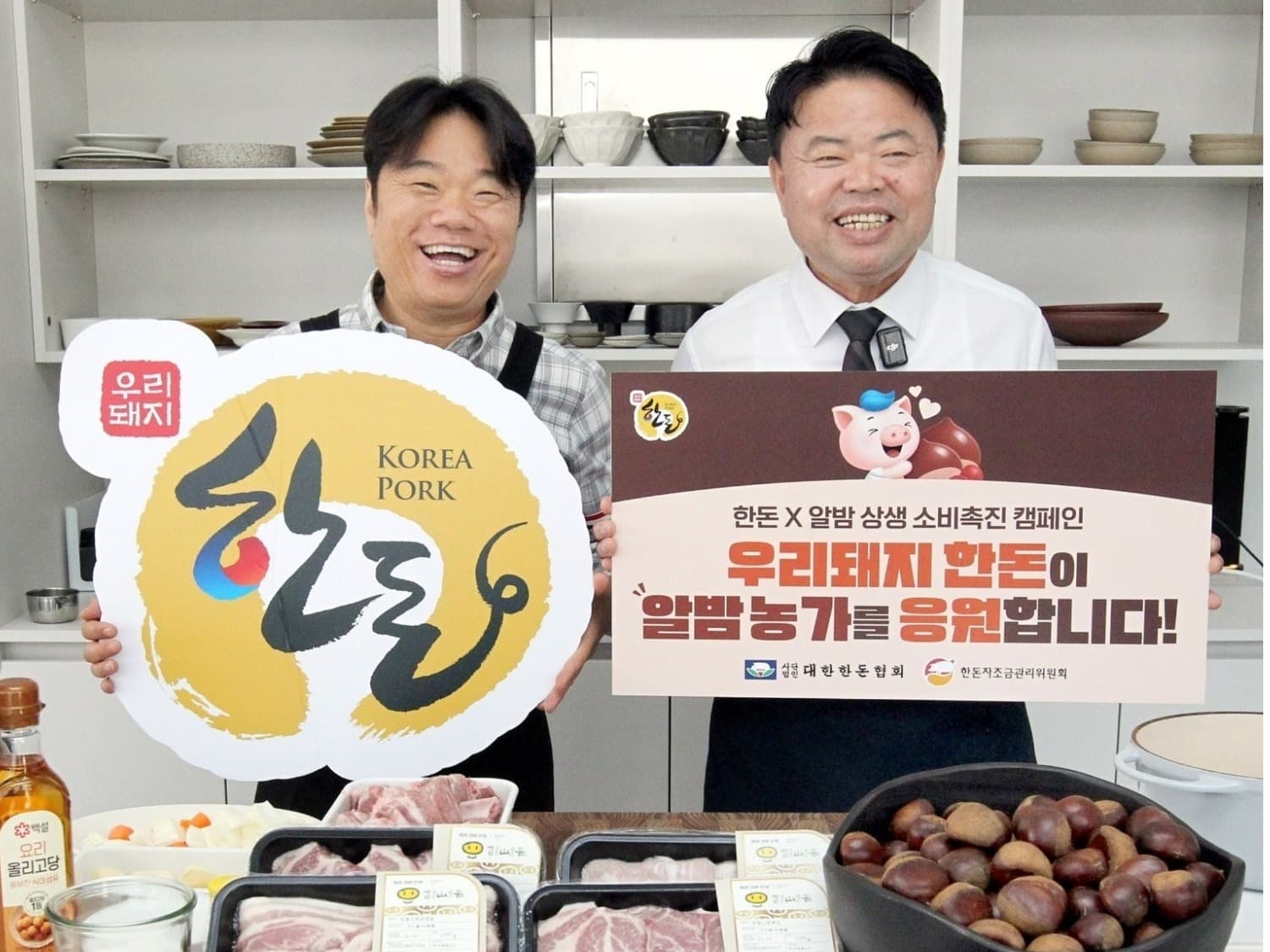
The Korea Pork Self-Funding Committee announced on the 6th that it filmed special cooking content for ‘Han-don x Our Night’ on November 5th with comedian Jung Jong-chul, an honorary ambassador for Han-don, and Chairman Lee Ki-hong.
2026.11.6