
SPECIAL FOCUS
Lumpy Skin: 6,773 Cattle Culled Over 3 Years… How Have Quarantine Standards Changed?
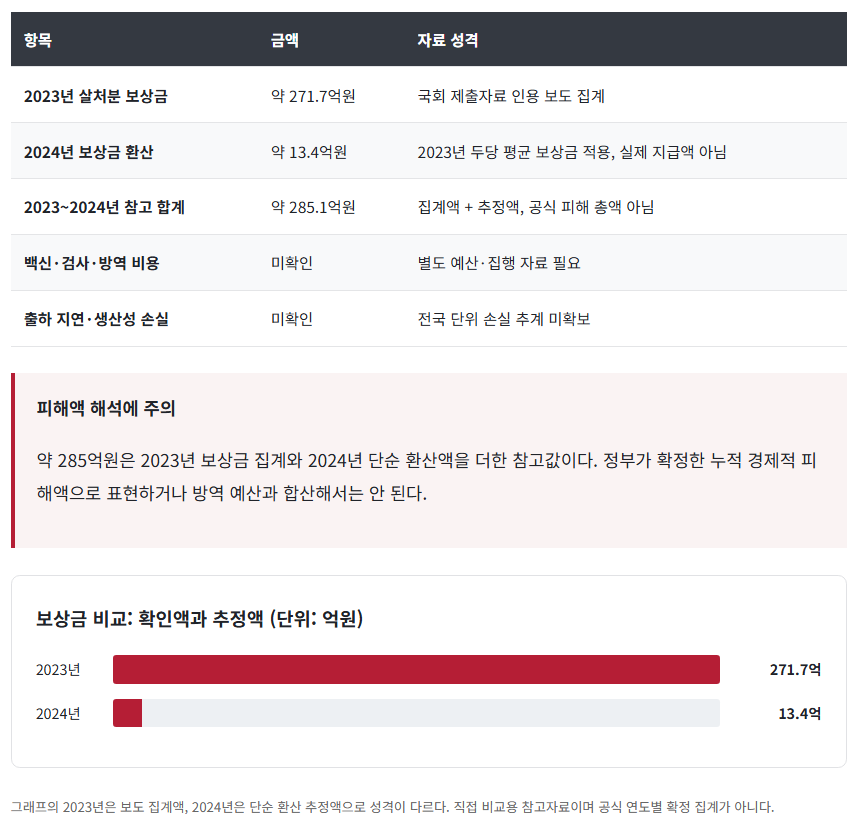
Compensation alone in 2023 is in the 27.1 billion won range
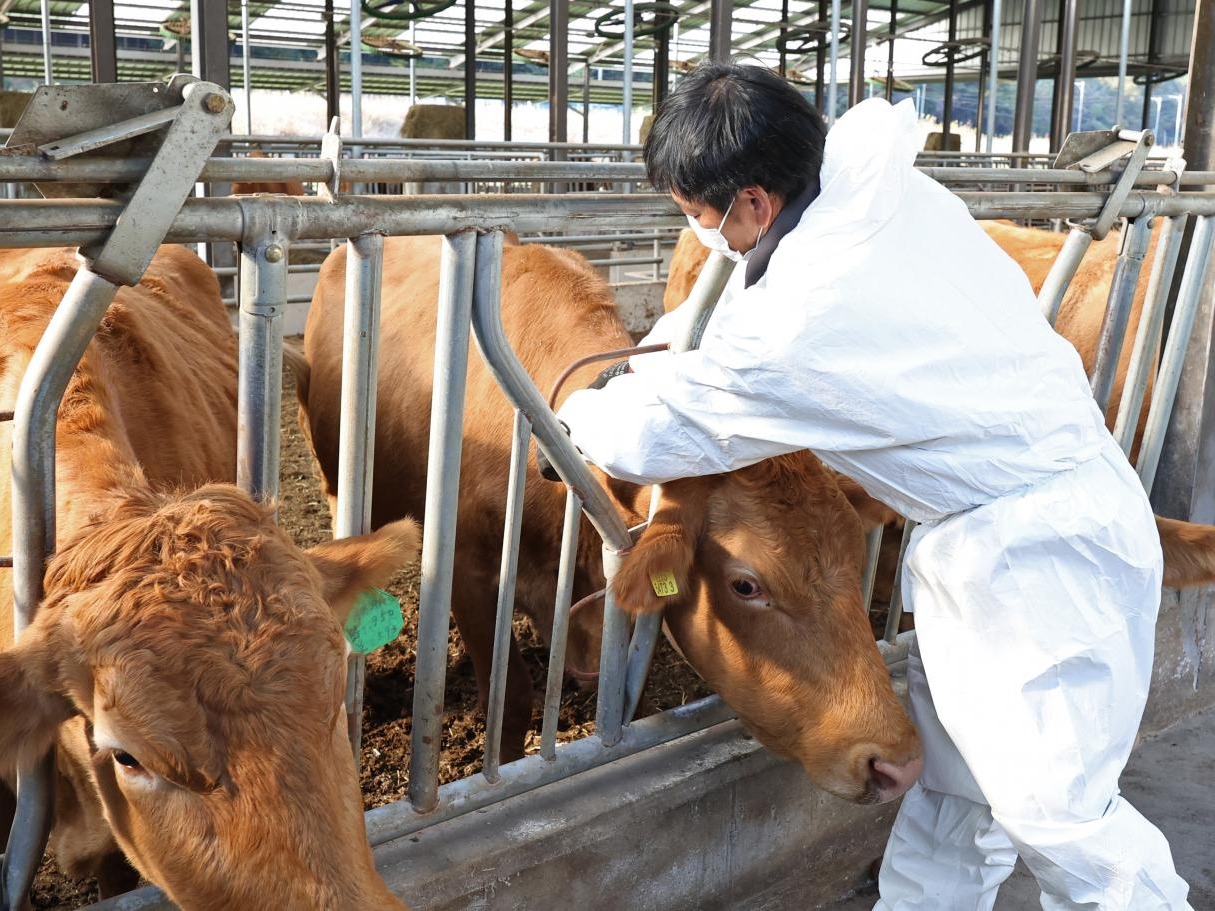
The quarantine system for Lumpy Skin Disease, which first occurred in the country in 2023, has changed. With 131 cases occurring over the past three years and 6,773 cattle being culled, the government has reclassified Lumpy Skin Disease from a Class 1 to a Class 2 infectious animal disease starting October 1, 2026. It has been excluded from mandatory temporary movement restrictions, and culling can be postponed for up to 70 days if certain conditions are met.
However, this reorganization did not begin suddenly in October. Prior to the enforcement of the law, the Ministry of Agriculture, Food and Rural Affairs applied quarantine measures equivalent to Class 2 starting on May 19, and when the outbreak occurred in Sunchang, North Jeolla Province in July, it also implemented movement restrictions, isolation of infected animals, and deferral of disposal centered on the affected farm.

From 107 cases in 2023 to 0 in 2025… Damage from culling significantly reduced
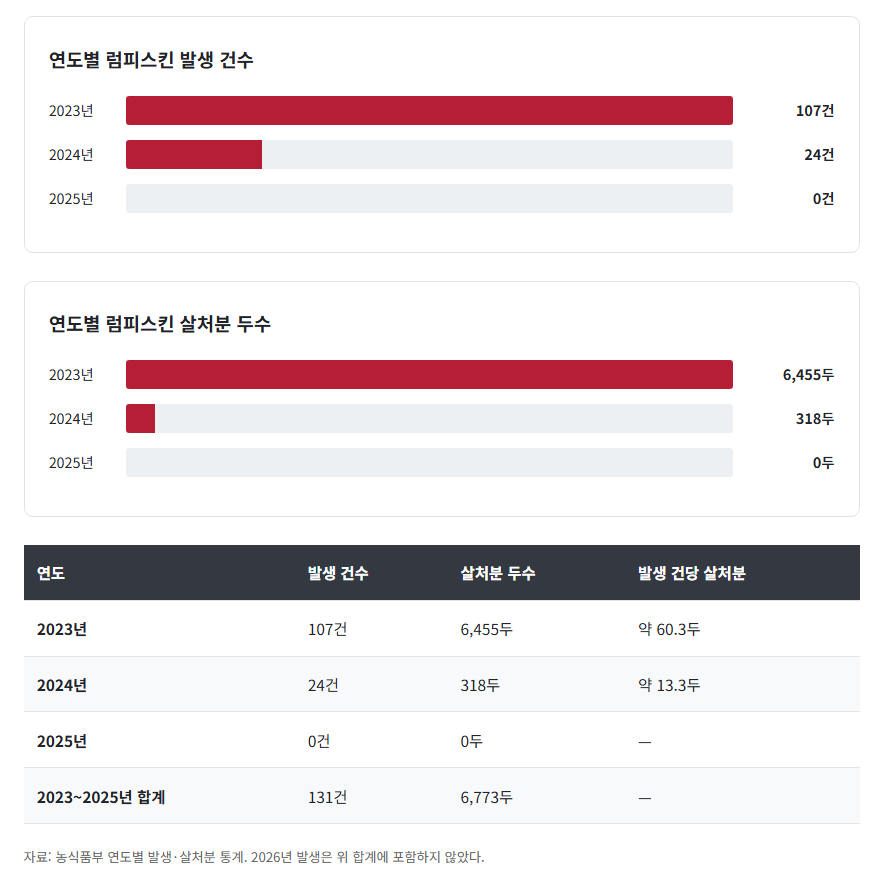
According to explanatory materials from the Ministry of Agriculture, Food and Rural Affairs, 107 cases of lumpy skin occurred in 2023, resulting in the culling of 6,455 cattle. In 2024, the numbers dropped to 24 cases and 318 cattle, and no cases were reported in 2025. The number of cattle culled in 2024 decreased by approximately 95.1% compared to the previous year, and the scale of culling per case also dropped from about 60.3 to 13.3.
Occurrence expected in 2026 as well… Confirmed at a Sunchang farm in July
On July 11, 2026, a positive case of Lumpy Skin was confirmed at a Hanwoo farm (8 cattle) in Sunchang-gun, Jeonbuk. The government implemented access controls and movement restrictions at the farm and applied measures to isolate and defer disposal for infected animals. A nationwide temporary movement ban and the establishment of quarantine zones were not implemented.
Therefore, the 131 cases and 6,773 animals from 2023 to 2025 should not be referred to as the total cumulative damage up to October 2026. The total cumulative figures for occurrence and disposal in 2026 require separate compilation.
Conversion to Type 2… What Has Changed?
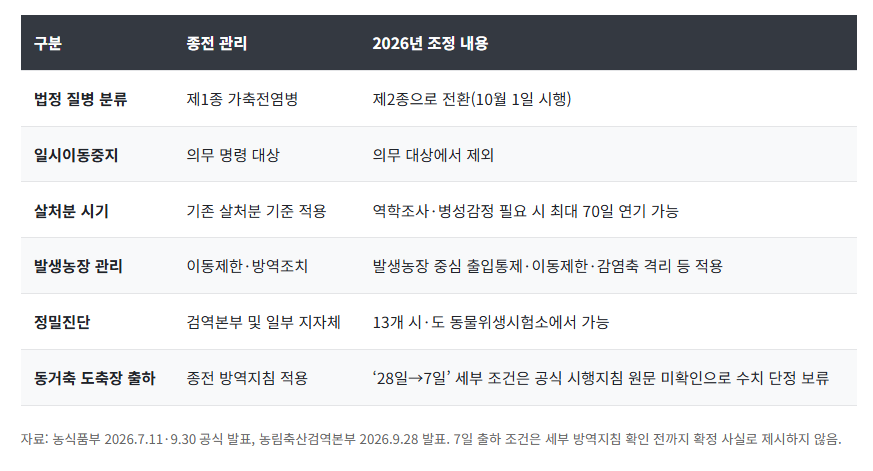
The revised enforcement rules, effective October 1, 2026, excluded Lumpyskin from the mandatory temporary movement suspension order. Additionally, in cases requiring epidemiological investigation or disease diagnosis, mayors, county heads, or district heads are allowed to postpone culling for up to 70 days by determining the period and isolation location. This measure does not imply an unconditional exemption from culling or the automatic lifting of movement restrictions on affected farms.
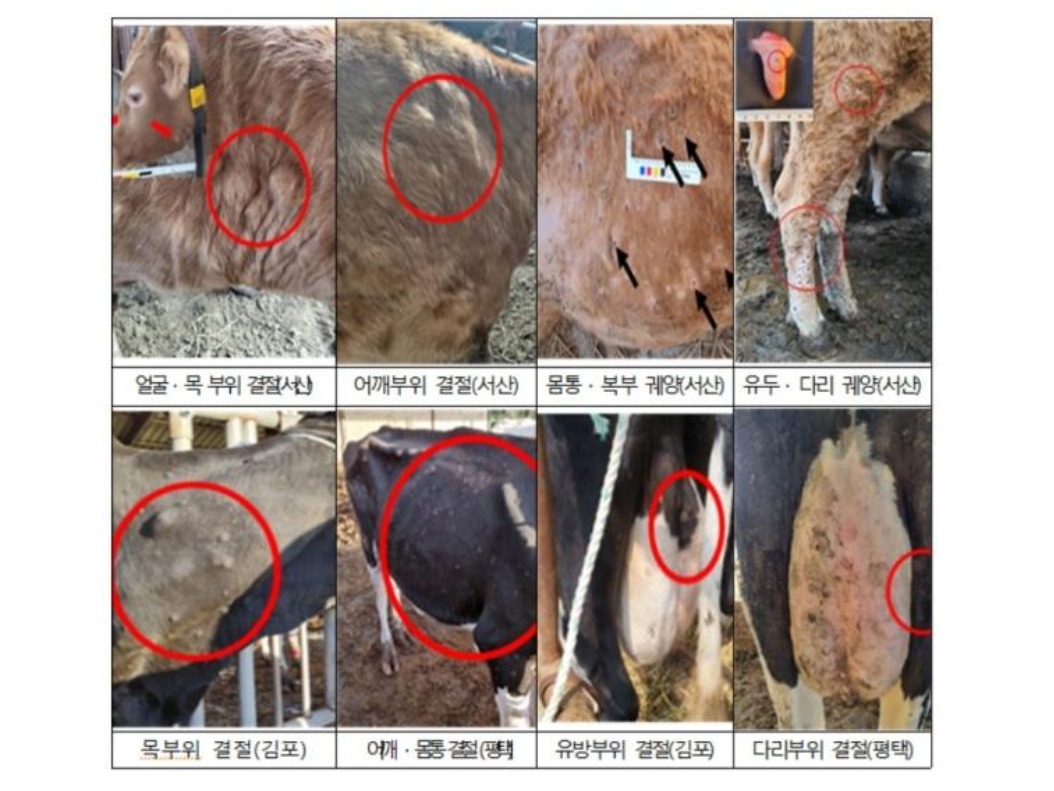
A collection of photos showing the locations of suspected Lumpy Skin lesions
How Much Is the Economic Damage? ... Must Distinguish Between Compensation and Total Loss
According to reports citing data submitted to the National Assembly, compensation for culling in 2023 was tallied at approximately 27.17 billion won. However, this figure represents compensation-related tallies and does not represent the total economic damage, which includes nationwide productivity decline, delayed shipments, and costs for vaccination, testing, and disease control.
The actual final amount of compensation disbursed in 2024 could not be obtained from this verification data. Applying the average per head, calculated by dividing the 2023 compensation by the number of culled animals, to 318 animals in 2024 yields a reference estimate of approximately 1.34 billion won, but this calculation does not reflect differences in the appraised value of cattle or compensation conditions.
Expansion of precision diagnostics… Farm management responsibility continues
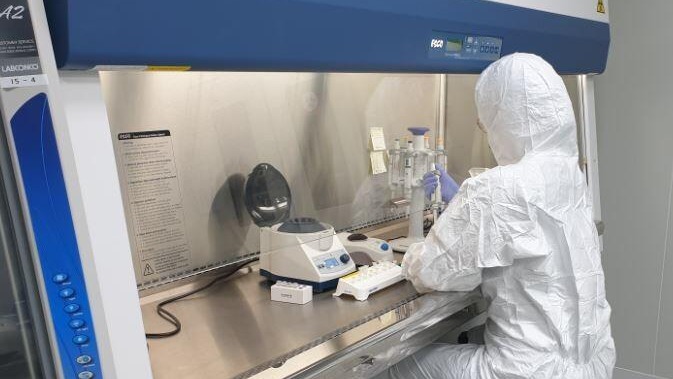
The Animal and Plant Quarantine Agency announced that as of September 28, 2026, precise diagnosis of Lumpy Skin became possible at a total of 13 city and provincial animal health laboratories. The expansion of regional diagnostic capabilities is the foundation necessary for testing suspected animals and managing animals under quarantine or deferred disposal.
From uniform control to risk and inspection-centered management
Since experiencing large-scale culling in 2023, disease control measures for Lumpy Skin have shifted to vaccination, selective disposal, and testing-based management. The transition to Class 2 in 2026 reflects this trend in laws and regulations. However, movement restrictions on affected farms, management of infected animals, and the obligation to report suspected animals have not disappeared.
Reference to original data and verification
Data on Incident and Cull Statistics and System Changes for 2023–2025
- #축산물
- #정책
- #기술
Related Content
SPECIAL FOCUS
Chicken Supply Rises, But Cuts Are Short… Mixed Supply and Demand Battle Amidst November Price Drop
The broiler market in November is expected to face increasing downward price pressure due to the rise in slaughter volume. However, it is difficult to conclude that the overall supply and demand in the chicken market has become sufficient based solely on the increase in supply.
2026.11.6

SPECIAL FOCUS
U.S. Government to Purchase $41 Million in Pork… Supporting Market Stabilization for Agricultural, Livestock, and Fisheries Products
The U.S. Department of Agriculture (USDA) announced a plan to purchase agricultural and fishery products worth a total of $472.5 million, including $41 million in pork and $20 million in chicken.
2026.11.1

SPECIAL FOCUS
Pork trotters restaurants have changed, but the raw material market remains the same… What is the way out for domestic pork trotters?
The fact that domestic pig's trotters are not selling does not mean that consumption of pig's trotters has disappeared. The issue lies in how well the market supplying the raw materials has kept pace with the changes in how consumers select and order pig's trotters.
2026.10.29