
SPECIAL FOCUS
Extended Voyages to Avoid Tariffs… What Is Happening in the Australian Beef Supply Chain?
Some frozen meat bound for China is being transported via long-distance detours while awaiting customs clearance next year.
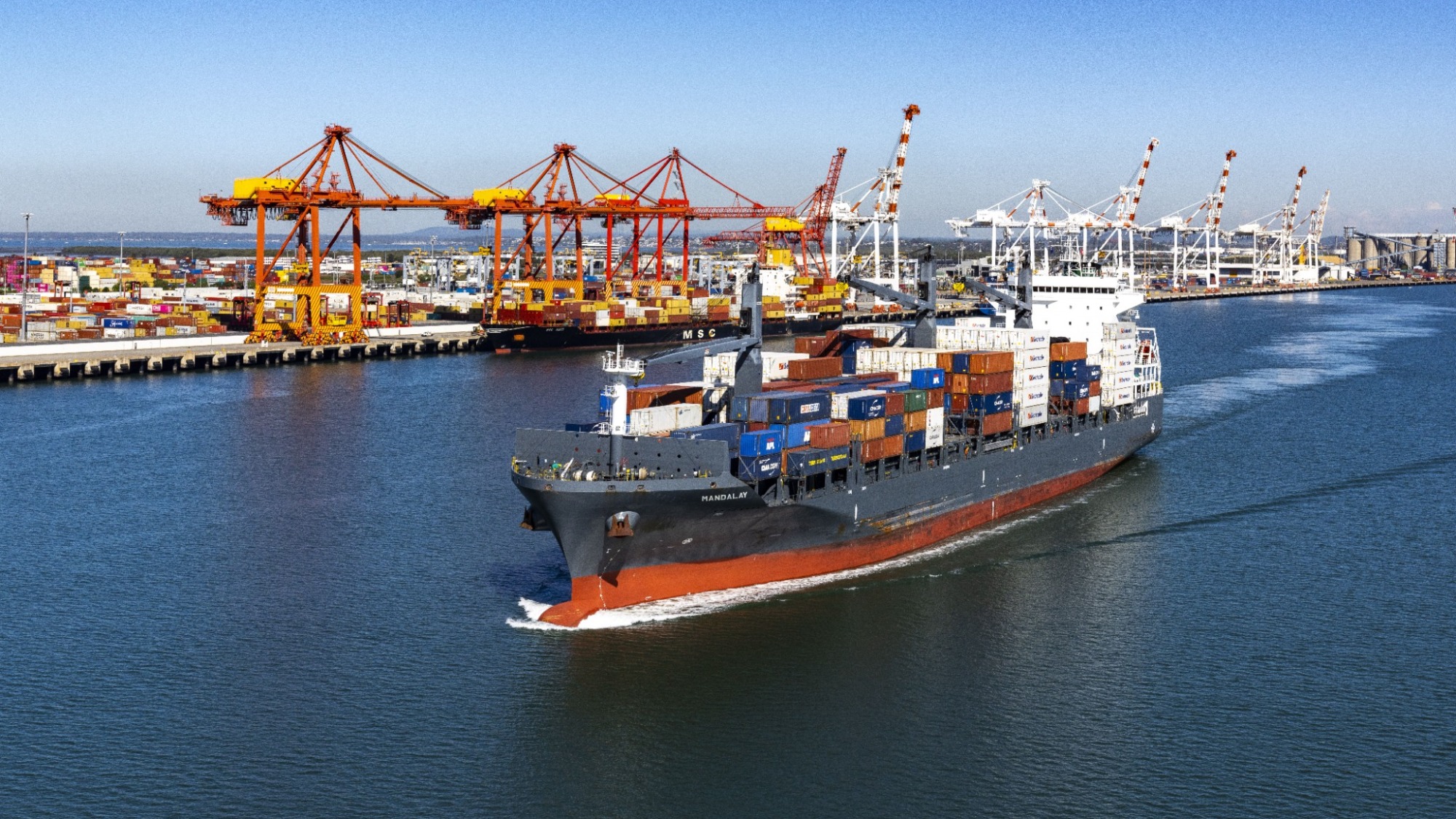

Tariffs and logistical variables are converging on the Australian beef supply chain. Some frozen beef destined for China is taking a long detour while awaiting next year's new import quotas, and in the Korean market, there have even been reports of a two-week shortage due to delays in chilled meat shipments caused by stops in China.
Korea has also already exhausted its safeguard quota for Australian beef this year. Domestic importers and distributors are now in a situation where they must manage both supply volumes and delivery schedules amidst the burden of increased tariffs.
“Out of stock this week and next week”… Chilled meat delayed due to Chinese port calls
Explanations conveyed by the domestic industry stated that Australian chilled meat is out of stock for two weeks, this week and next, due to no incoming shipments caused by calls in China. This means there is a supply gap in the volume handled by the companies in question, but it does not mean that the entire domestic supply of Australian chilled meat is out of stock.
A port call refers to a ship stopping at a port during its voyage. This explanation implies that the ship's schedule stopping at Chinese ports is linked to the delay in its arrival in Korea. However, confirmation from the shipping company or forwarder is required to determine whether the delay is due to waiting at Chinese ports, changes in the port call schedule, or other operational disruptions.
This must also be distinguished from cases involving the long-distance detour transport of frozen beef bound for China. Currently, there is no evidence to suggest that chilled meat destined for Korea was transported via the same detour route, or that shipments bound for China directly caused the delay.
China imposes 55% additional tariffs… Shipments awaiting customs clearance next year
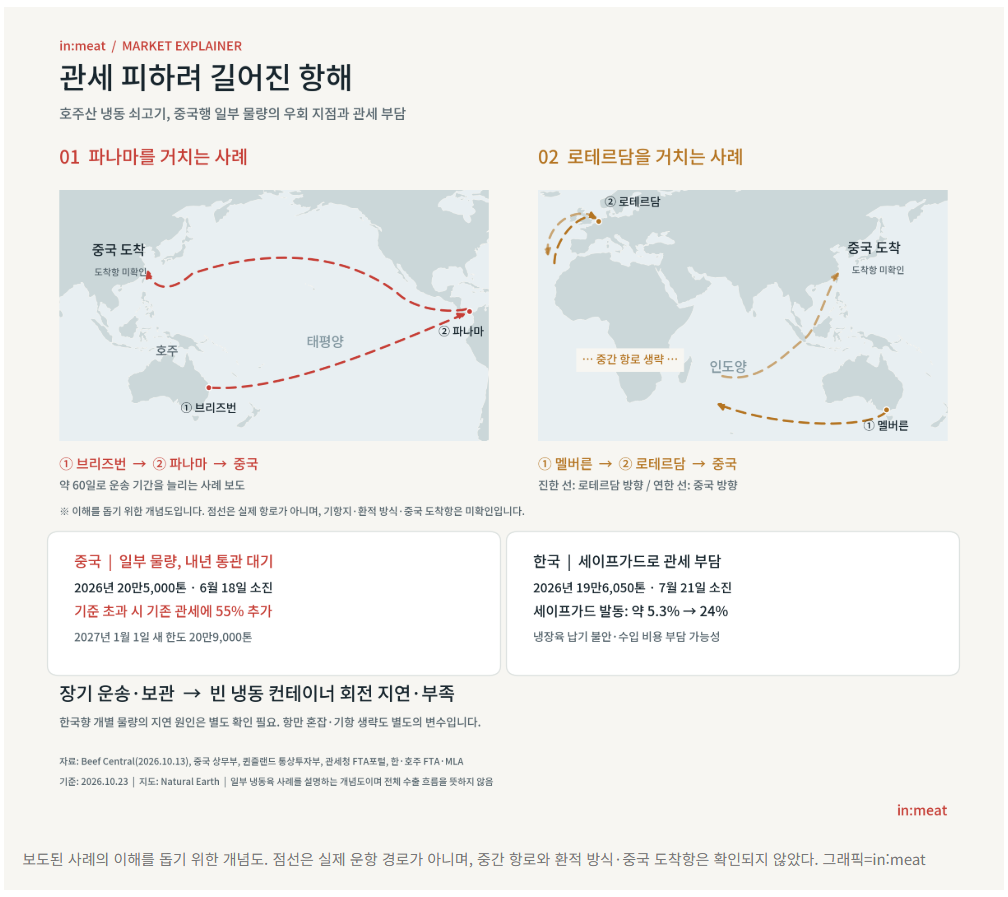
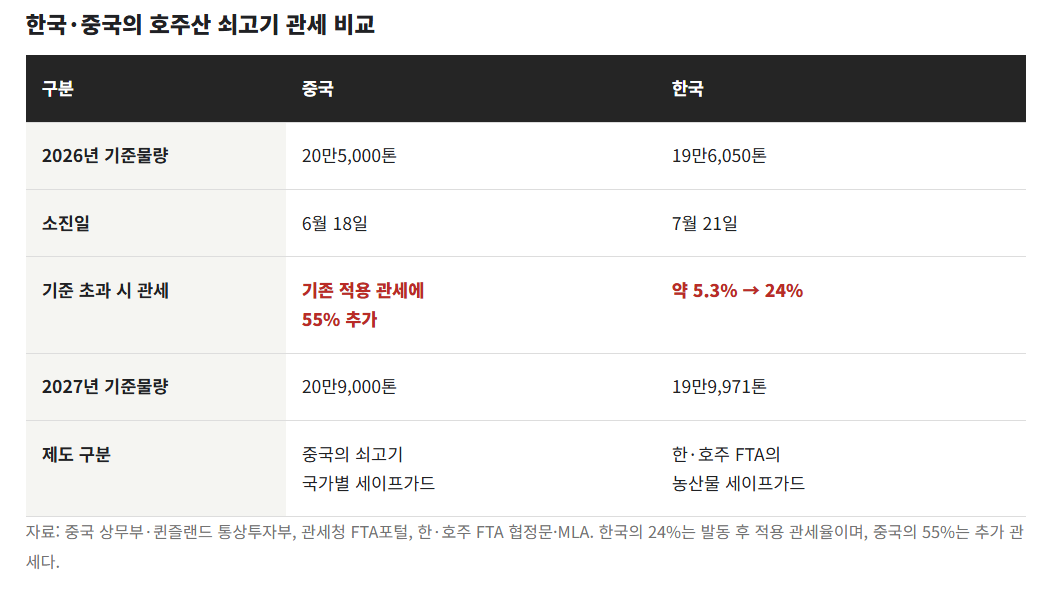
China exhausted its baseline import volume of 205,000 tons of Australian beef this year on June 18. From June 20 through the end of the year, an additional 55% will be added to the existing tariffs on import volumes exceeding the baseline. On January 1 of next year, a new baseline volume of 209,000 tons will be applied.[1]
For Australian exporters and Chinese buyers, this creates an incentive to proceed with import clearance in accordance with next year's new limits rather than bearing high tariffs. ANZCO also explained in its October market report that Chinese importers are shifting their purchasing focus to shipments arriving in January 2027. However, the situation does not mean that shipments to China have come to a complete halt, as deals to import Australian chilled beef continue despite the additional tariffs.
Frozen meat waiting on the sea... even empty containers are scarce.
Beef Central reported on October 13 that at least two, and possibly as many as three, Australian beef export plants had reduced their operating days due to a shortage of cold storage. It explained that the burden was particularly heavy for Wagyu-related companies, whose main market is China.
According to a logistics official cited by this media outlet, there have been instances where frozen beef shipped from Brisbane is routed through Panama, extending the transit time to approximately 60 days. There have also been reports of shipments from Melbourne heading to China via Rotterdam. This method utilizes ships as temporary cold storage facilities.
Some products are awaiting customs clearance in bonded cold storage warehouses in China. This means that the time of arrival at the port may not coincide with the time of import customs clearance. The media reported that long-distance transportation and the storage of frozen meat inside containers are also contributing to a shortage of empty refrigerated containers. However, some officials assessed that the burden of storage could be alleviated as shipments begin.
Korea Also Exhausted Standard Volume… Tariff Burden Even if Volume Is Returned
Shifting shipments destined for China to Korea does not eliminate tariff issues. According to the Korea Customs Service FTA Portal, the safeguard threshold of 196,050 tons for Australian beef in Korea this year was exhausted on July 21. The tariff rate, which was approximately 5.3% prior to activation, subsequently rose to 24%. While imports are not banned, new customs clearance costs have increased.
A decrease in Chinese imports does not automatically lead to an expansion of low-cost supply from Korea. For domestic sales, the cuts, grades, and specifications must match demand, and the increased tariffs must also be absorbed. While explaining the diversion of some volume to other markets, MLA analyzed that it is necessary to monitor shipment trends ahead of the application of new limits at the end of the year.
Port congestion and heavy rain are separate supply variables
ANL announced on October 14 that it would skip the calls of OOCL Italy in Melbourne and COSCO Hong Kong in Sydney to restore schedules following Australian berth congestion. This announcement did not cite the diversion of beef bound for China as the cause of the port congestion.
For chilled meat, it is the delivery date; for frozen meat, it is the inventory and customs clearance date.
The impact on the Korean market may vary depending on the product and company. The following are the impacts and points for review based on confirmed logistics and tariff conditions.
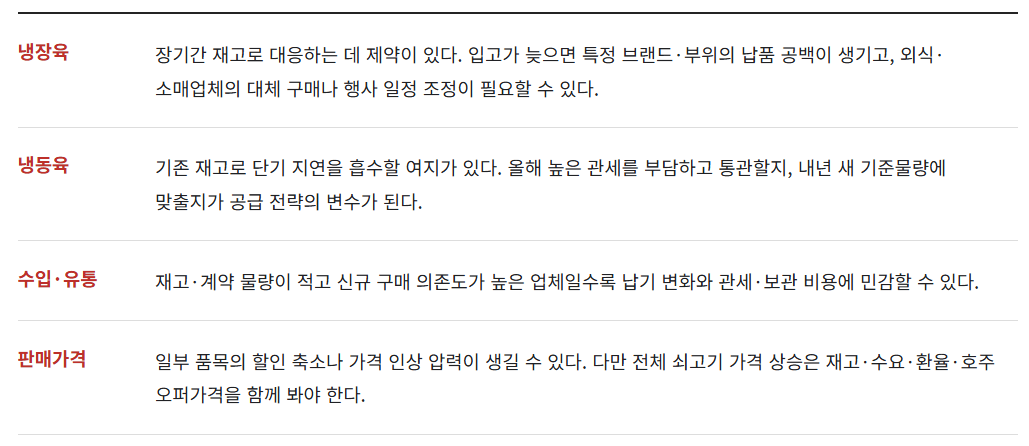
MLA explained that Korean importers are planning year-end orders timed for customs clearance in January 2027, and that small businesses may face a greater burden in securing supplies and handling high tariffs. It is necessary to examine the potential concentration of customs clearance and supply at the beginning of the year, along with differences in inventory levels among companies.
The key factors for the year-end market are not only the total volume of Australian beef but also whether chilled meat of the desired specifications arrives on time and how much existing inventory remains. It is necessary to distinguish between stockouts at specific suppliers and supply shortages across the entire market, and to identify at which stage—departure, port call in China, transshipment, or domestic shipment—individual delays occurred.
Supporting data
Queensland Department of Trade and Investment · Notice regarding China's exhaustion of 2026 Australian beef quota/Chinese Ministry of Commerce Announcement and Country-Specific Limit Table
Beef Central · China Tariffs and Cold Storage & Container Shortage (October 13)
Korea Customs Service FTA Portal · Korea-Australia FTA Standard Volumes and Exhaustion Status/Annex 6-a of the Korea-Australia FTA
MLA · Analysis of the Impact of Safeguards on the Korean Market (June 18)/Check applicable customs duties after activation (7.30)
MLA · August Trade Trends Analysis (September 11)— The standard volume figures shall be applied first by the Korea Customs Service and the agreement.
Notice of Omission of ANL, Melbourne, and Sydney Port Calls (October 14)
Beef Central · Cattle Supply Conditions Due to Rainfall (10.20)
- #수입육
- #유통
Related Content
SPECIAL FOCUS
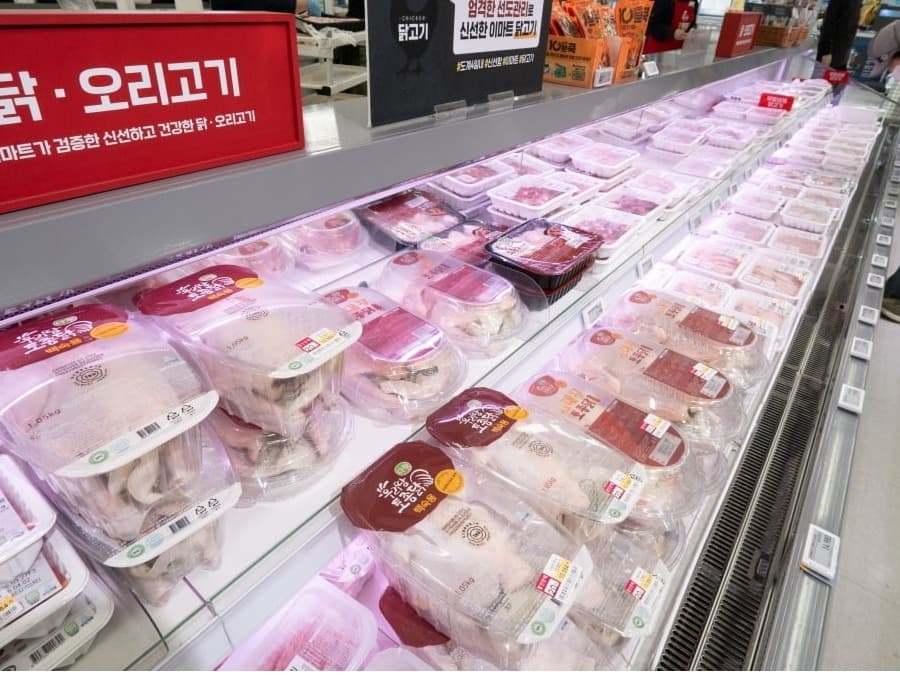
Chicken Supply Rises, But Cuts Are Short… Mixed Supply and Demand Battle Amidst November Price Drop
The broiler market in November is expected to face increasing downward price pressure due to the rise in slaughter volume. However, it is difficult to conclude that the overall supply and demand in the chicken market has become sufficient based solely on the increase in supply.
2026.11.6
SPECIAL FOCUS
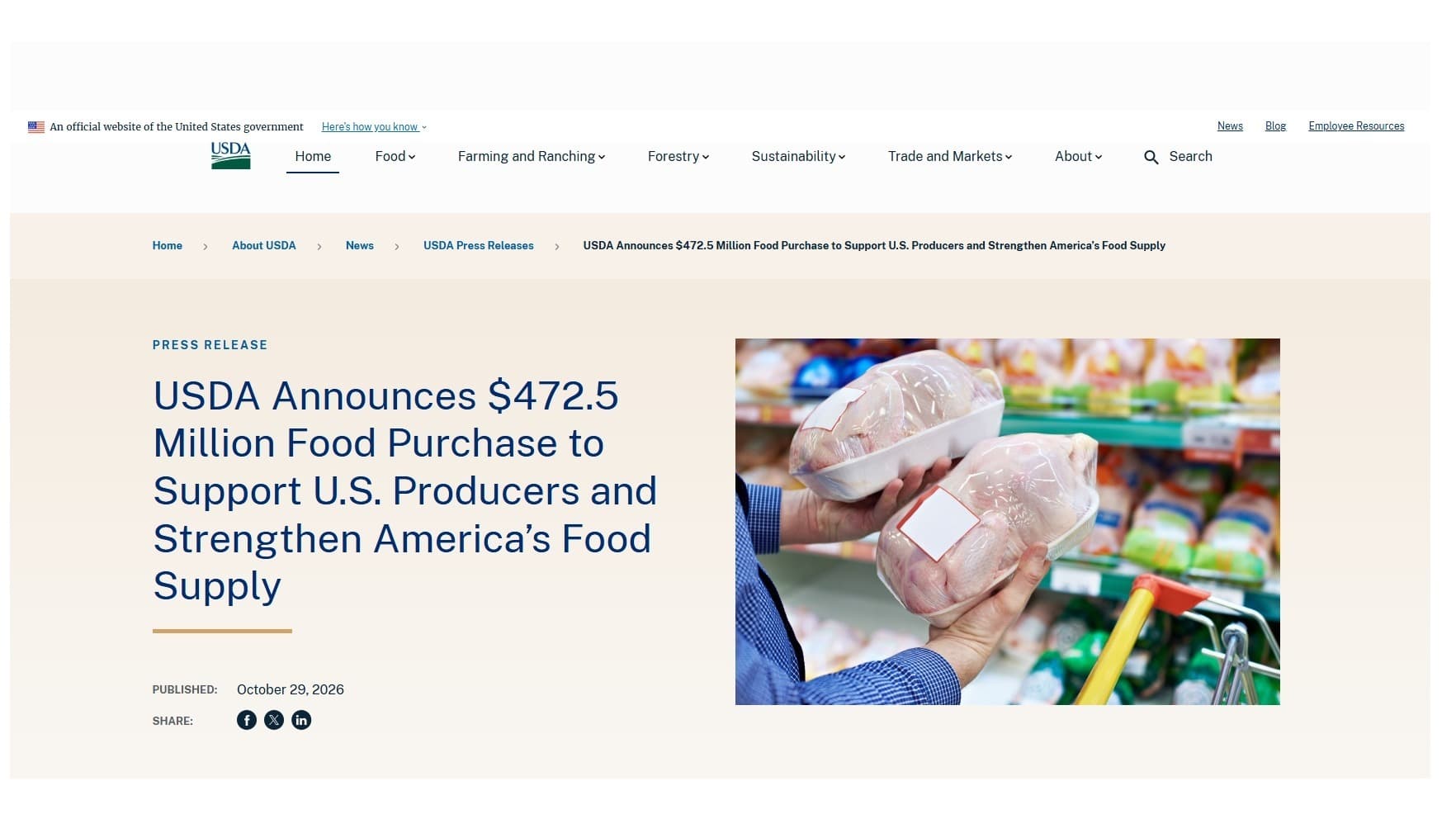
U.S. Government to Purchase $41 Million in Pork… Supporting Market Stabilization for Agricultural, Livestock, and Fisheries Products
The U.S. Department of Agriculture (USDA) announced a plan to purchase agricultural and fishery products worth a total of $472.5 million, including $41 million in pork and $20 million in chicken.
2026.11.1
SPECIAL FOCUS
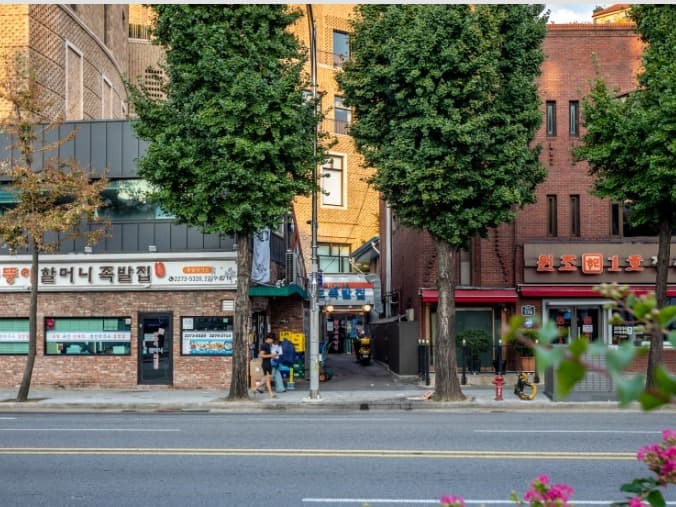
Pork trotters restaurants have changed, but the raw material market remains the same… What is the way out for domestic pork trotters?
The fact that domestic pig's trotters are not selling does not mean that consumption of pig's trotters has disappeared. The issue lies in how well the market supplying the raw materials has kept pace with the changes in how consumers select and order pig's trotters.
2026.10.29