
Global Field Report
From farm to table, the pork business perfected by Japan's Saiboku
From breeding pig improvement to rearing, processing, and direct sales… A vertically integrated model built over 80 years
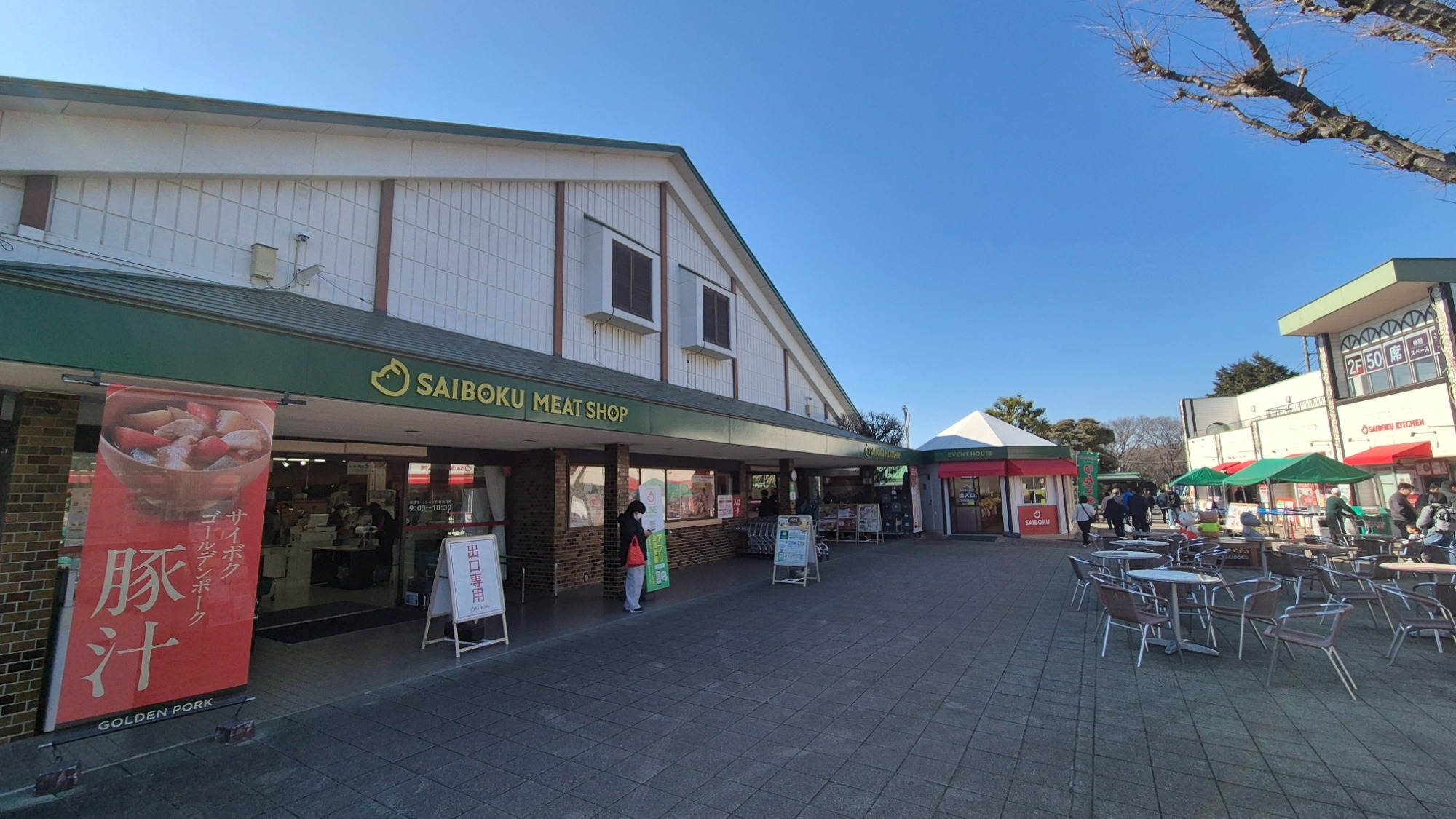
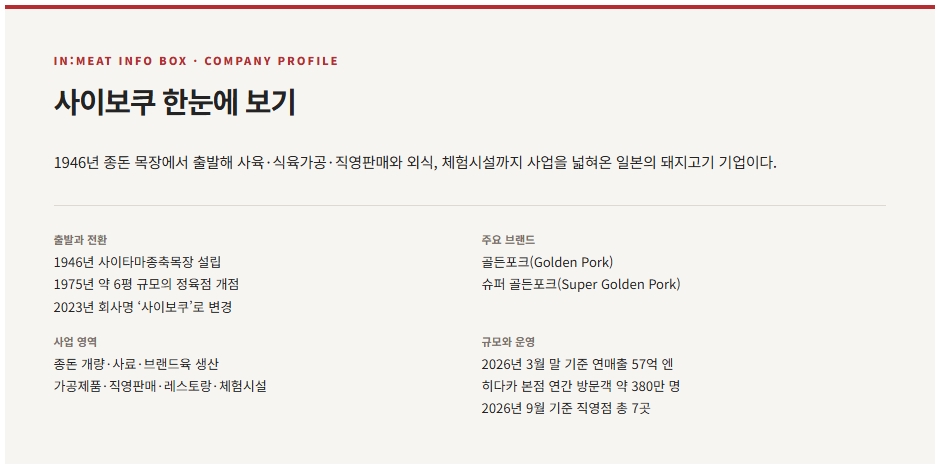
SAIBOKU, located in Hidaka City, Saitama Prefecture, Japan, is a somewhat special pork company.
Starting as a small breeding pig farm in 1946, this company did not stop at raising pigs. It directly improved breeding pigs, developed specialized feed, and produced its own brand of pork. By combining meat processing, direct sales, and the food service business, it completed a business structure where producers meet consumers directly.
The Hidaka main store, currently operated by Saiboku, has grown into a pork theme park visited by approximately 3.8 million people annually. The company's annual revenue is set to reach 5.7 billion yen as of the end of March 2026.
Saiboku's growth process demonstrates how the "Farm to Table" concept can evolve into a business model in the Japanese pig farming industry.
A Producer's Challenge That Began in a 6-Pyeong Butcher Shop
The starting point of Saiboku is the Saitama Livestock Farm established in 1946. Founder Tatsuo Sasazaki focused on producing superior breeding pigs, and he developed the breeding business in earnest after introducing the Landrace breed from the UK in 1961.
In 1969, he started a breeding pig auction, and in 1970, he opened the Tohoku Farm in Kurihara, Miyagi Prefecture. By utilizing the technology accumulated in breeding pig improvement, he began to directly produce fattening pigs with excellent meat quality.
However, producing good pork alone was not enough. In the pork distribution system of Japan at the time, it was difficult for the meat quality or quality of pigs bred by producers to be fully reflected in the final selling price. Saiboku chose a method in which producers sold meat directly to consumers.
In 1975, a butcher shop measuring approximately 6 pyeong was opened inside Hidaka Ranch. On the opening day, there were only two visitors. Although the shop was located in a rural area with poor transportation, word of mouth led to an increase in customers, and the store area was expanded to 27 pyeong in 1977..
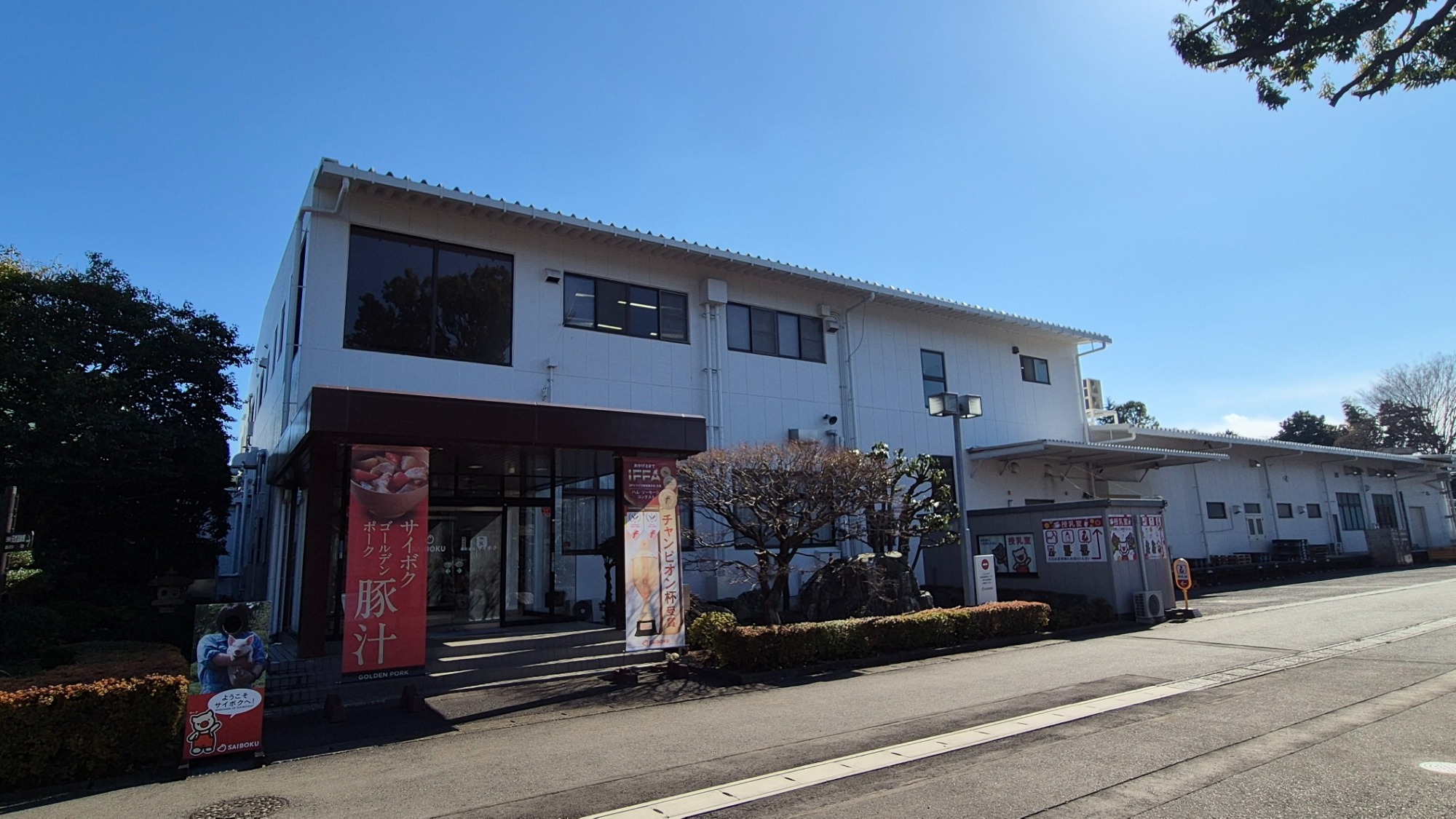
This small butcher shop later became a turning point that determined Saiboku's business direction.
In 1979, a ham and sausage factory was established, and in the 1980s, the business expanded into the restaurant sector. In 2019, a new directly managed processing plant adjacent to the main store was completed. In 2023, the company name was changed from the former Saitama Livestock Farm to the current Saiboku.
It took about 80 years for a farm that used to improve breeding pigs to expand its business into meat processing, distribution, and dining out.
The quality of pork is determined by the breeding pigs and feed.
To understand Saiboku's business structure, it is necessary to first examine the production stage. The company's flagship brands are Golden Pork and Super Golden Pork.
Golden Pork is based on a three-way crossbreed pig produced by crossing Large Yorkshire, Landrace, and Duroc breeds. Super Golden Pork is a brand that differentiates its meat quality by utilizing Berkshire bloodlines.
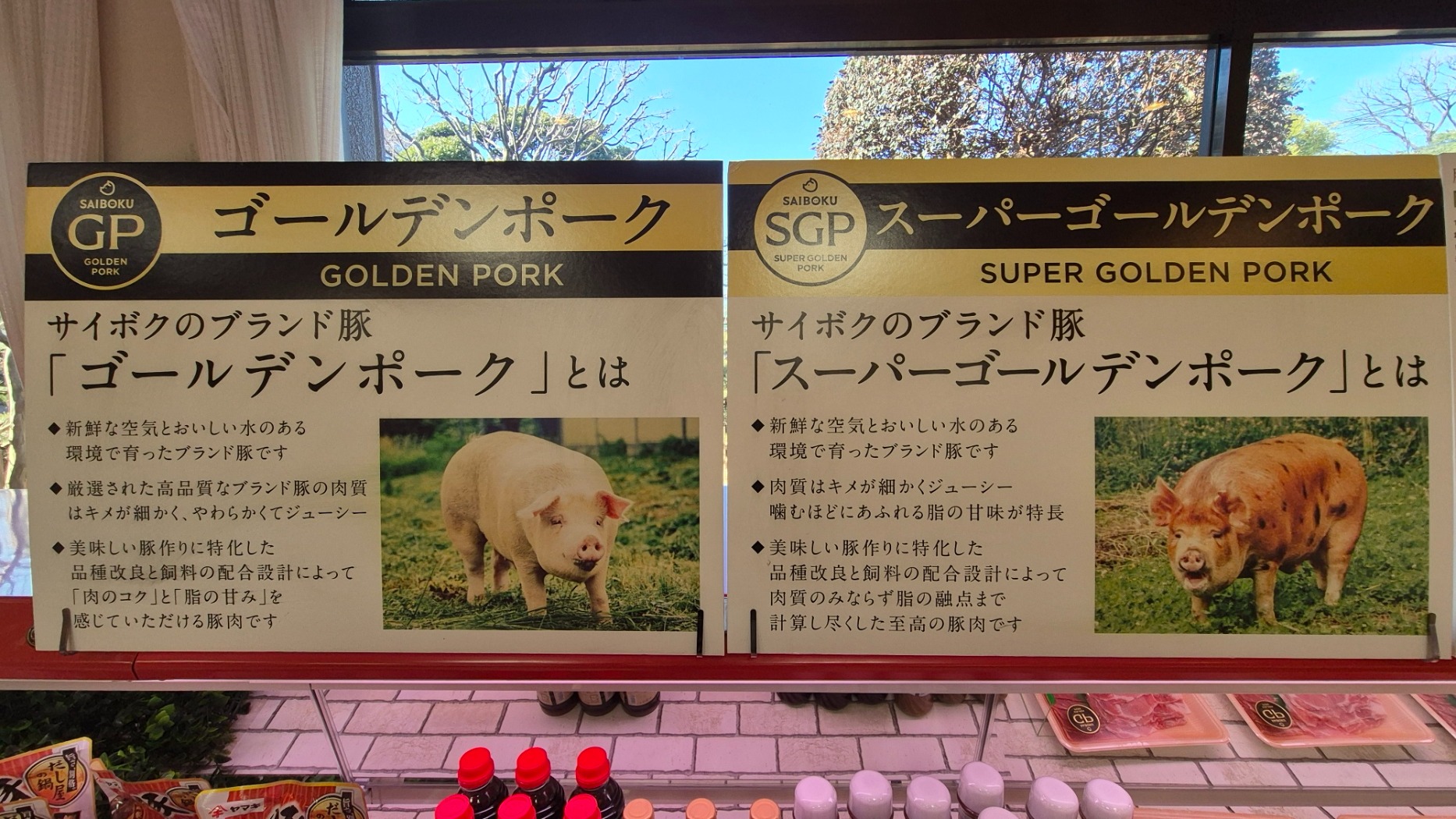
Saiboku not only manages the pedigree of the original breed pigs but also operates a system that registers DNA information of the Duroc breed, allowing the pedigree to be verified in the final product.
The company also produces its own feed. Since establishing a feed factory at the Tohoku Ranch in 1982, it has been supplying specialized compound feed. Currently, it utilizes Japanese edible rice as a feed ingredient and operates an Eco-feed factory that recycles wheat-derived food byproducts. Saiboku explains that feed made from rice contributes to increasing the oleic acid content of pork fat.
At the production site, pigs are raised for about six months, and their weight, health condition, and rearing history are checked before shipment. Saiboku Farm in Miyagi Prefecture and Hatoyama Ranch in Saitama Prefecture have also obtained farm HACCP certification.
The scope of quality control by Saiboku does not begin with the meat received at the butcher shop. The quality of the product is designed starting from the stage of deciding which pig lineage to raise and on which feed.
To the store two days after slaughter… A distribution system connecting production and sales
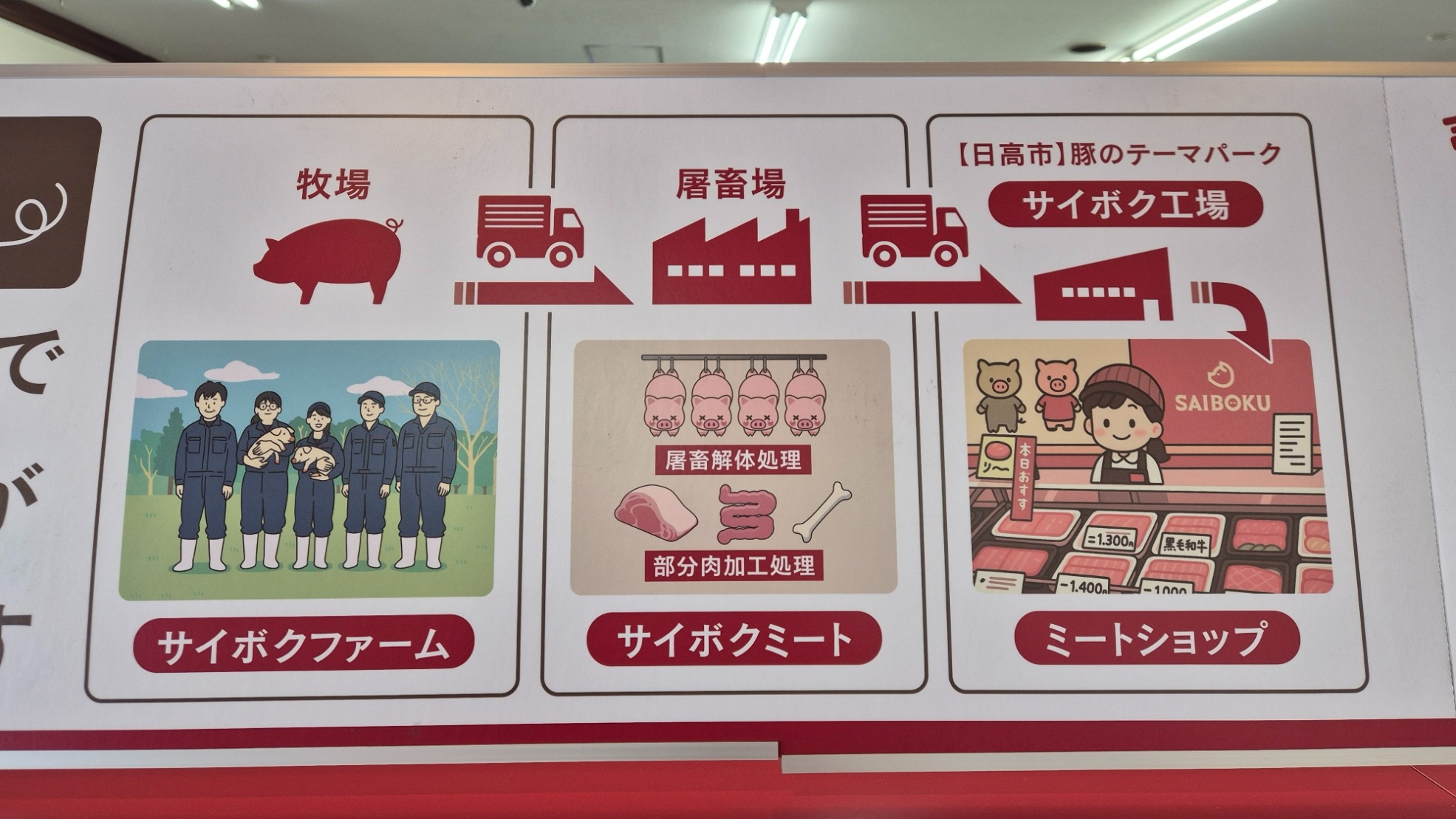
Saiboku's integrated production system continues even after shipment. Pigs produced in Miyagi Prefecture are slaughtered and processed at a meat center operated by the Miyagi Prefectural Meat Distribution Corporation. It is a structure that manages production, processing, and distribution in an integrated manner by utilizing external meat centers rather than owning all the slaughter facilities.
After slaughter, offal is promptly processed and shipped on the same day, with supplies to the Hidaka main store arriving as early as the next day. The meat undergoes cooling, deboning, and splitting processes after slaughter, and is displayed in stores as early as two days later. Through this process, Saiboku manages the production history and quality of its pork while ensuring freshness.
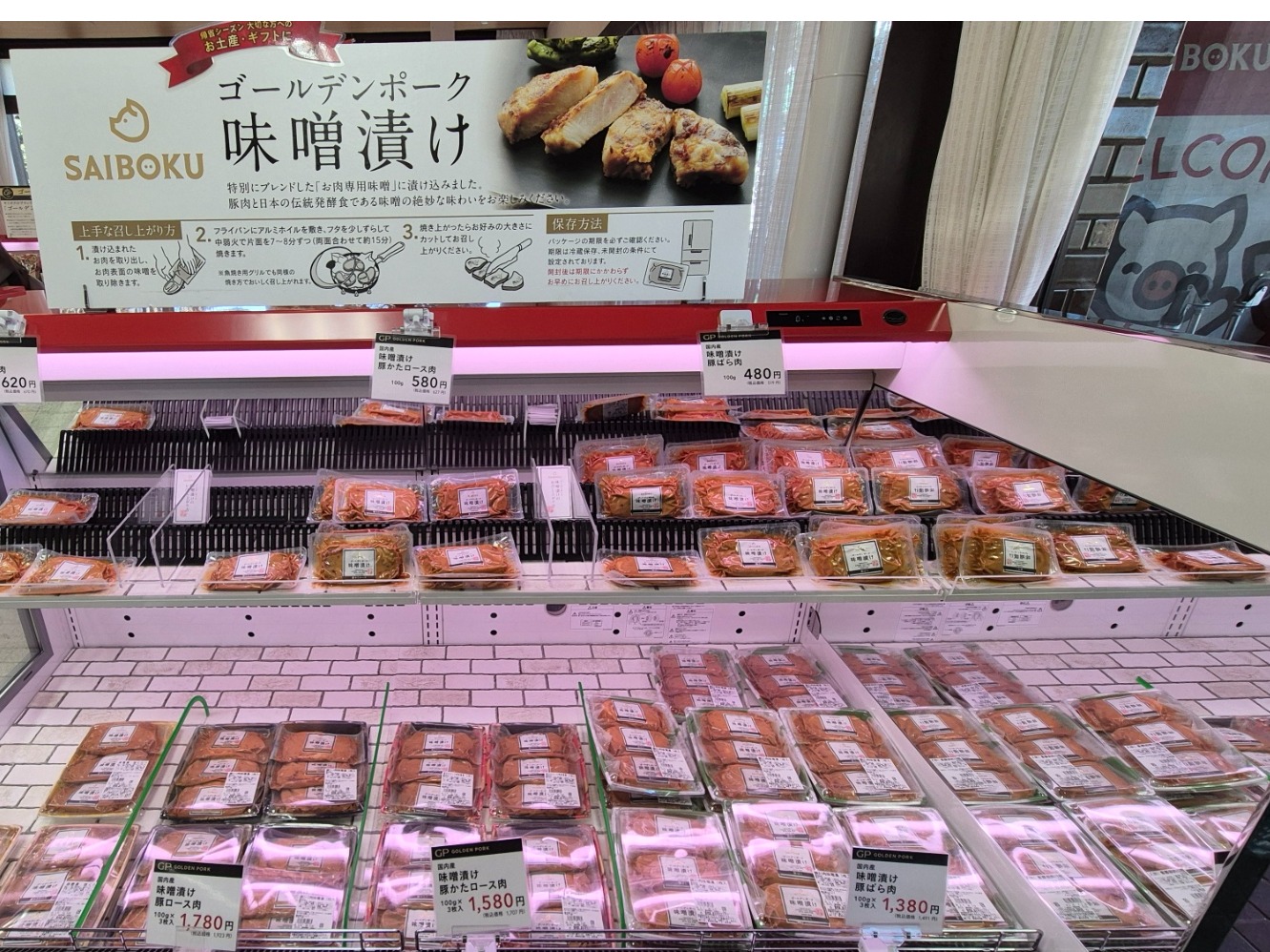
Meat shipped from the meat center is used not only as cut meat but also as raw material for processed products such as ham and sausage.
The directly managed factory adjacent to the Hidaka main store produces ham and sausages using German-style manufacturing technology and equipment. The new factory, completed in 2019, was an investment aimed at raising hygiene standards and strengthening the connectivity between production facilities and sales outlets.
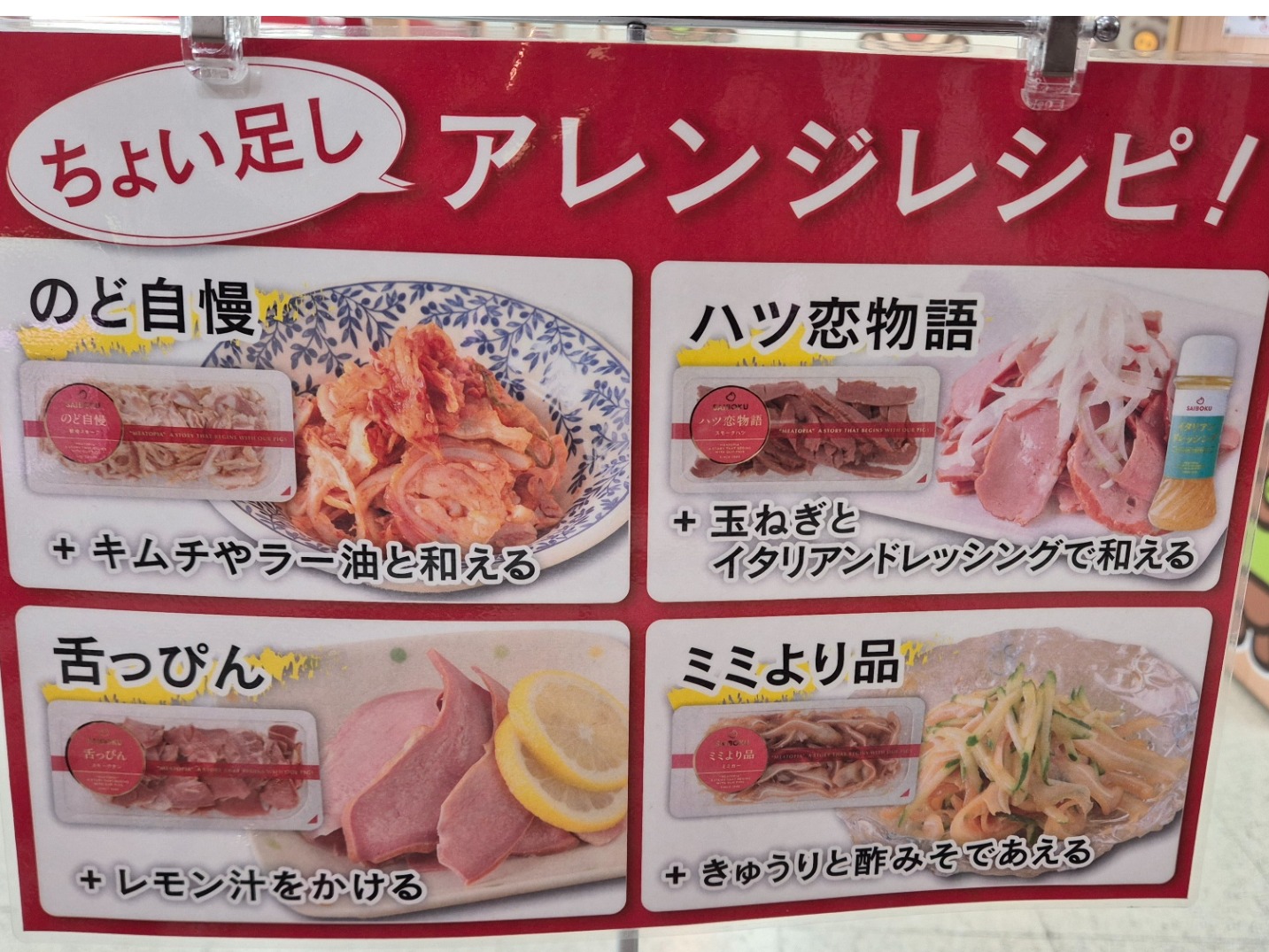
In particular, Saiboku's official product lineup has expanded beyond lean meat, ham, and sausages to include miso-marinated meat, offal, rare cuts, and frozen foods. They are developing various forms of products from the diverse parts produced by a single pig.
What is noteworthy here is that production and processing do not operate as separate businesses. Since they use their own-brand pork as raw material, they can manage the quality of processed products starting from the production stage. Conversely, the processing plant can produce products suitable for the characteristics and quality of the raw meat. The vertical integration established by Saiboku is not merely about expanding production scale, but rather a method of linking production and processing to match the final product.
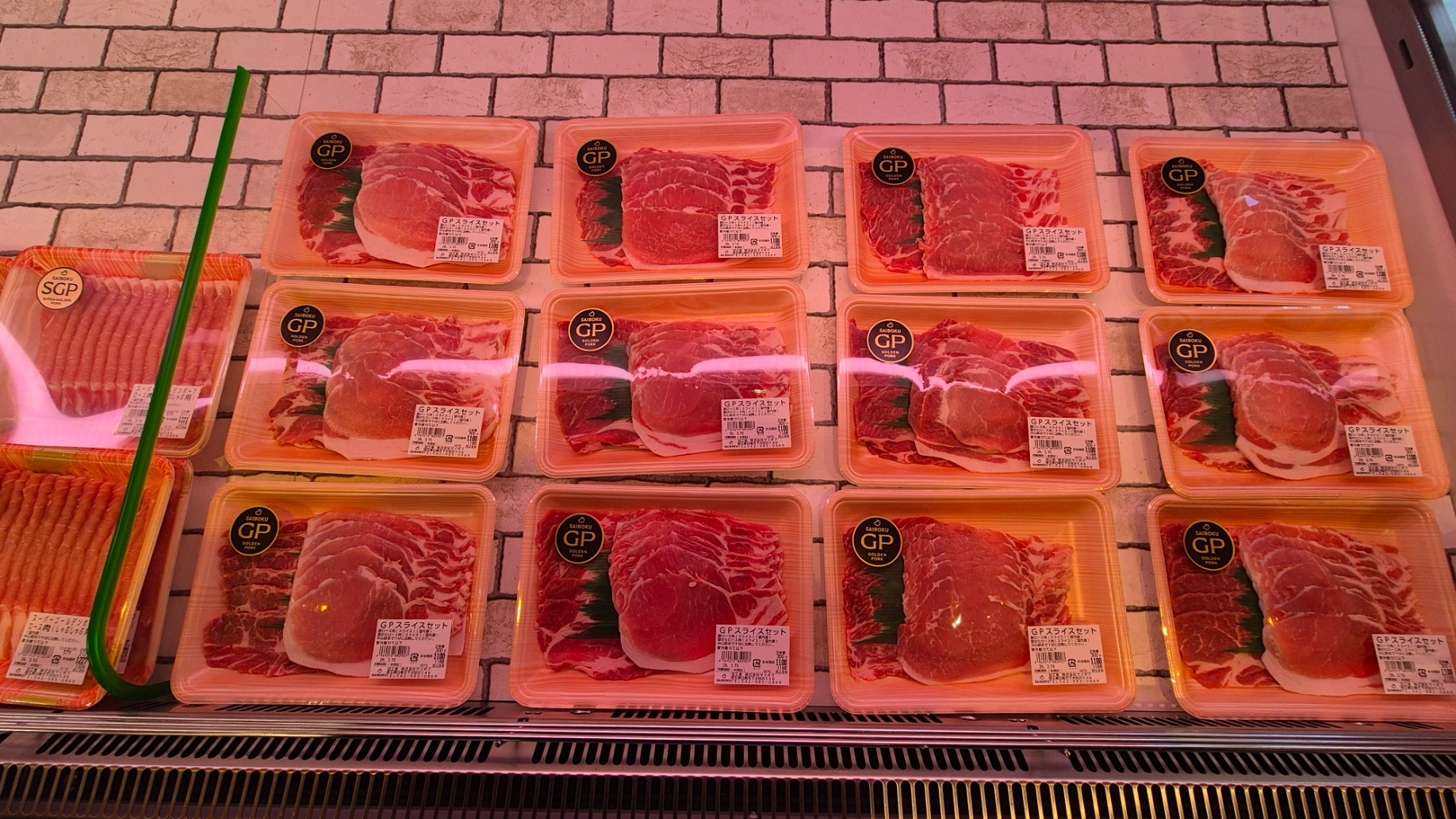
From a butcher shop to a food theme park
What differentiates Saiboku from other pork companies is the way it interacts with consumers. The main branch in Hidaka, Saitama Prefecture, operates a restaurant, a direct sales outlet for agricultural products, experience facilities, and natural hot springs alongside its meat sales.
The main branch's meat shop sells a variety of ham, sausages, and processed products, including Golden Pork and Super Golden Pork. The restaurant serves dishes such as pork cutlets and barbecue using the company's own pork. Customers can purchase meat here, but they can also buy butchery or processed products after tasting the dishes. Furthermore, by combining outdoor experiential facilities for children with hot springs, the site is attracting family visitors as well.
Currently, the Hidaka main store is introduced as a facility visited by approximately 3.8 million people annually. The business, which started as a butcher shop, has grown to absorb local tourism and dining demand.
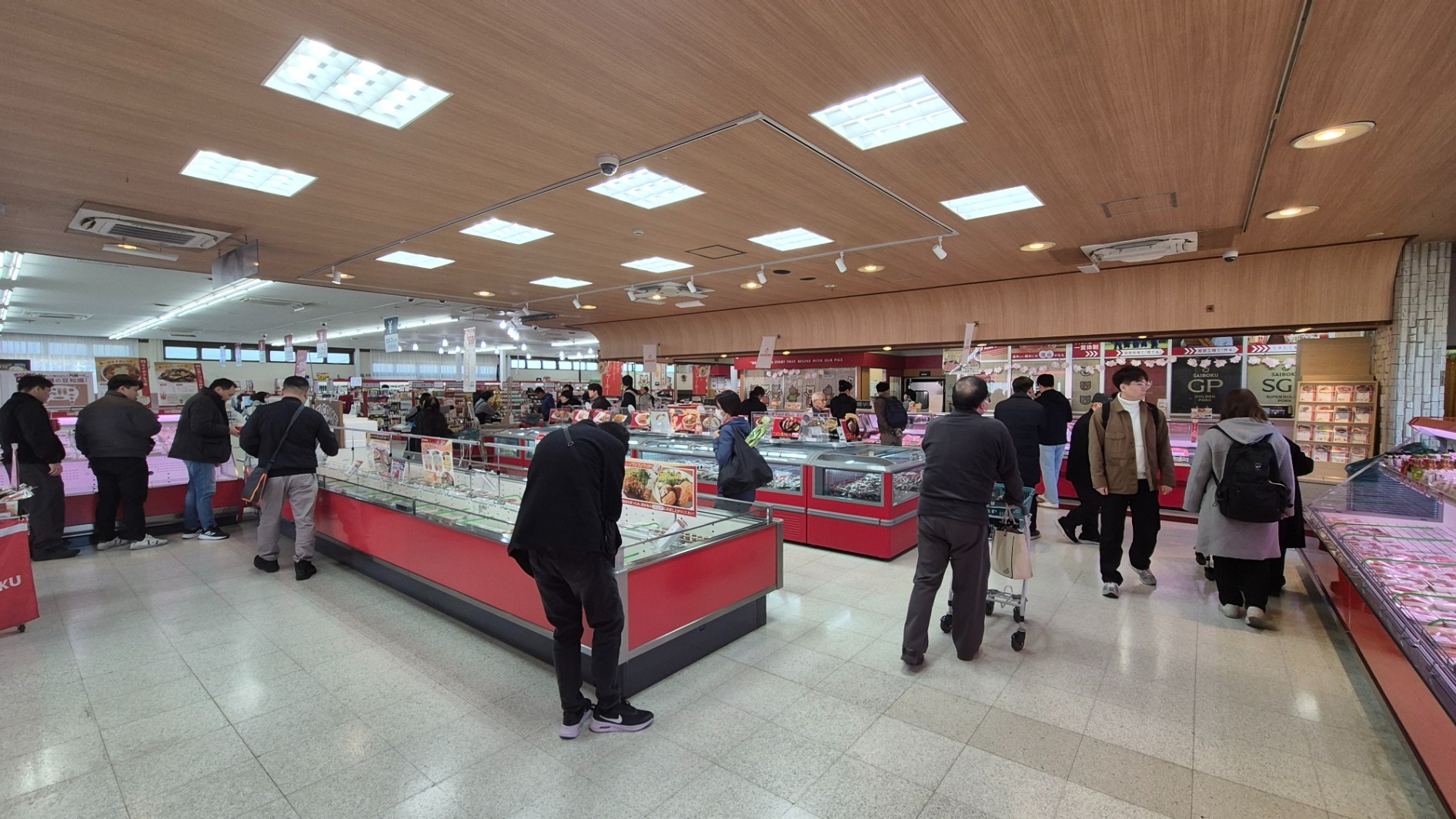
Saiboku calls this space 'MEATOPIA.' It is a combination of 'Meat,' 'Meet,' and 'Utopia.' It signifies the intention to create a space where producers and consumers meet through the medium of meat.
In this business structure, the role of the butcher shop also changes. If the butcher shop is merely the final stage of distribution that sells meat, the point of contact with the consumer is limited to the moment of purchase. However, by combining it with restaurants and experiential facilities, opportunities for consumers to engage with the brand increase. Saiboku is also utilizing this for product development. The company explains that it conveys customer feedback collected from directly managed stores to production and processing sites, reflecting it in quality improvement and product development. In essence, it is a structure where consumer feedback returns to the production site, rather than a one-way structure where products move from farm to consumer.
From 7 directly managed stores to online and business-to-business transactions
Saiboku's sales network is not limited to the Hidaka main store. As of September 2026, in addition to the main store, it operates six directly managed stores in Saitama, Tokyo, and Miyagi prefectures. It is also located in major commercial facilities such as Tobu Department Store in Ikebukuro, Tokyo, and Isetan Department Store in Urawa, Saitama Prefecture.
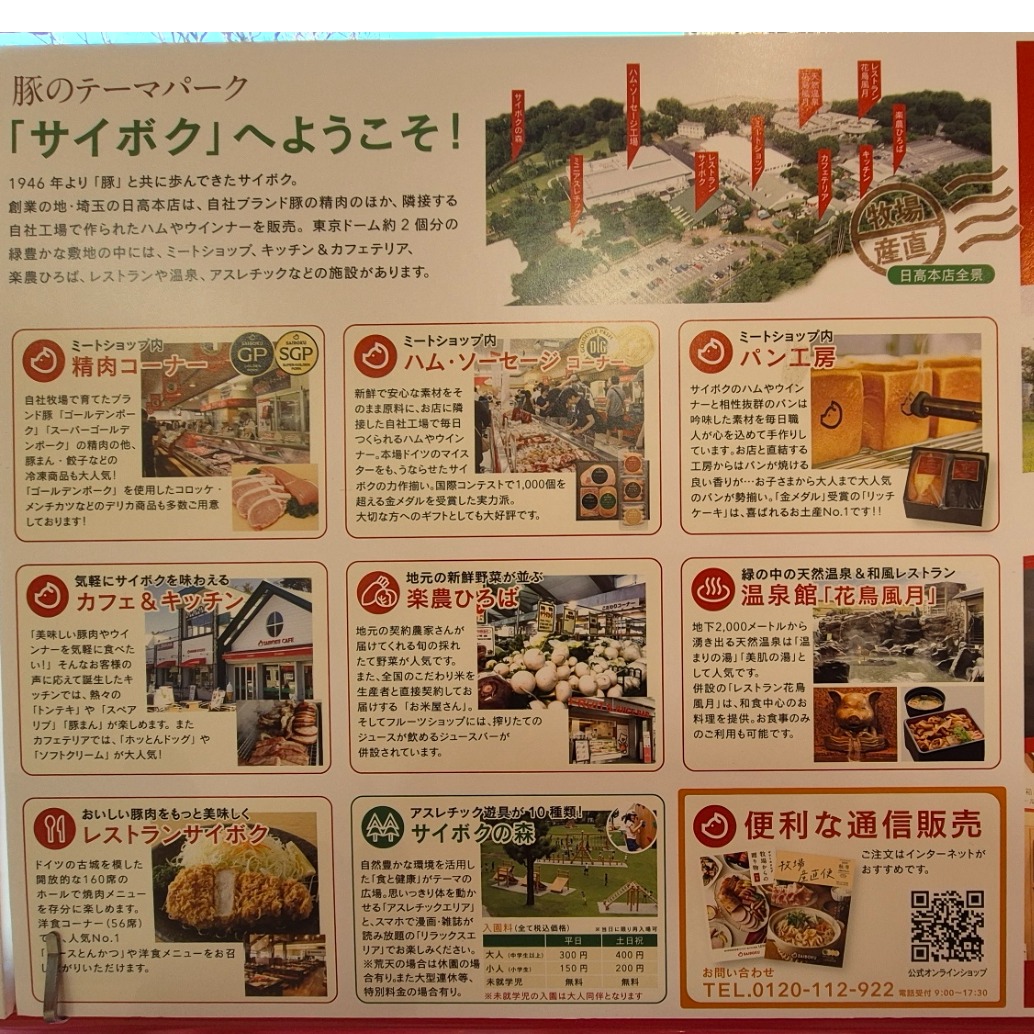
It delivers products to consumers nationwide through online stores and mail-order sales, while also conducting business-to-business transactions targeting large retailers and food companies. If the experiential facilities at the Hidaka main store serve to promote the brand and expand touchpoints with consumers, the department store direct-operated branches and online store can be seen as a distribution network connecting everyday purchases. As such, Saiboku's sales system is structured to utilize both stores directly operated by producers and external distribution channels.
From farm to table, the way producers meet consumers
The most noteworthy aspect of Saiboku's growth is not merely the scale of its butcher shops or restaurants. It is the establishment of a structure that connects breeding pig improvement and feed production to branded meat production, meat processing, and direct sales, while incorporating consumer feedback back into production and product development. This system serves as the foundation for consistently managing the quality of branded pork and developing a diverse range of products, from cut meat to processed goods.
However, vertical integration does not immediately guarantee high profitability. Significant costs are involved in breeding pig improvement, farm operations, investment in processing facilities, and the operation of directly managed stores and food service facilities. Similarly, since Saiboku does not disclose sales, profits, or actual production costs by business segment, it is difficult to evaluate the profitability of each business separately.

Nevertheless, Saiboku's 80-year history serves as an example of how a pig farming company can connect directly with consumers. The business, which began with the goal of selling farm-produced pork at better prices, expanded into processing, dining out, and tourism, and has now evolved into a structure where consumer feedback returns to the farm and factory.
The "farm to table" concept demonstrated by Saiboku is not merely a reduction of distribution stages. It is an expansion of a business structure where producers design quality, manufacture products, and establish direct relationships with consumers.
- #브랜드
Related Content
Global Field Report
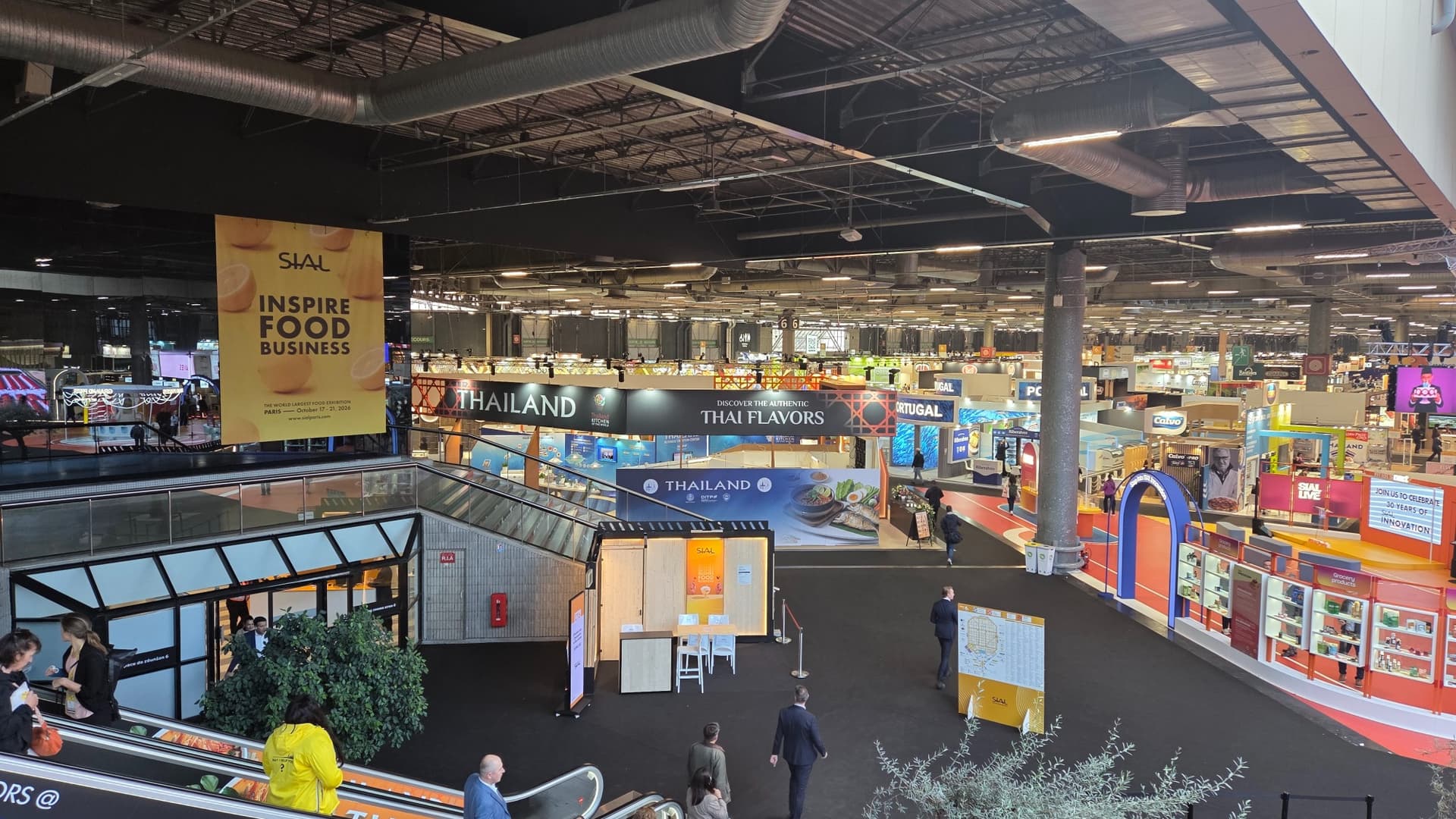
South American Beef Makes a Strong Presence… Meat Export Competition at SIAL Paris 2026
South American beef companies stood out in the meat section of SIAL Paris 2026, where the global food industry gathered.
2026.11.1
Global Field Report
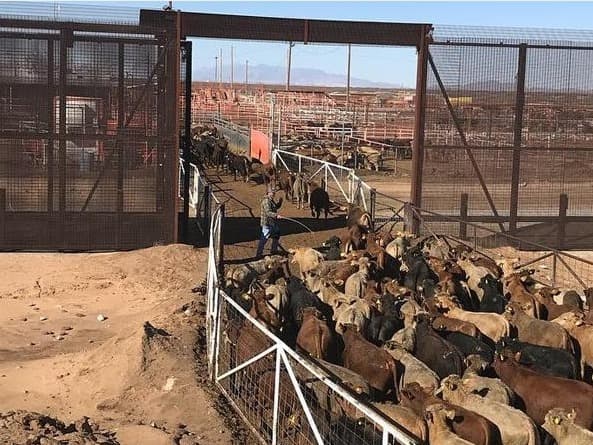
U.S. Expands Import Channels for Live Cattle from Mexico… Phased Reopening of 4 Border Quarantine Facilities
The United States is accelerating the normalization of livestock trade by successively reopening border quarantine facilities for the import of live cattle from Mexico. This approach involves gradually expanding import channels while maintaining the disease control system to prevent the introduction of New World Screwworm (NWS).
2026.10.26
Global Field Report
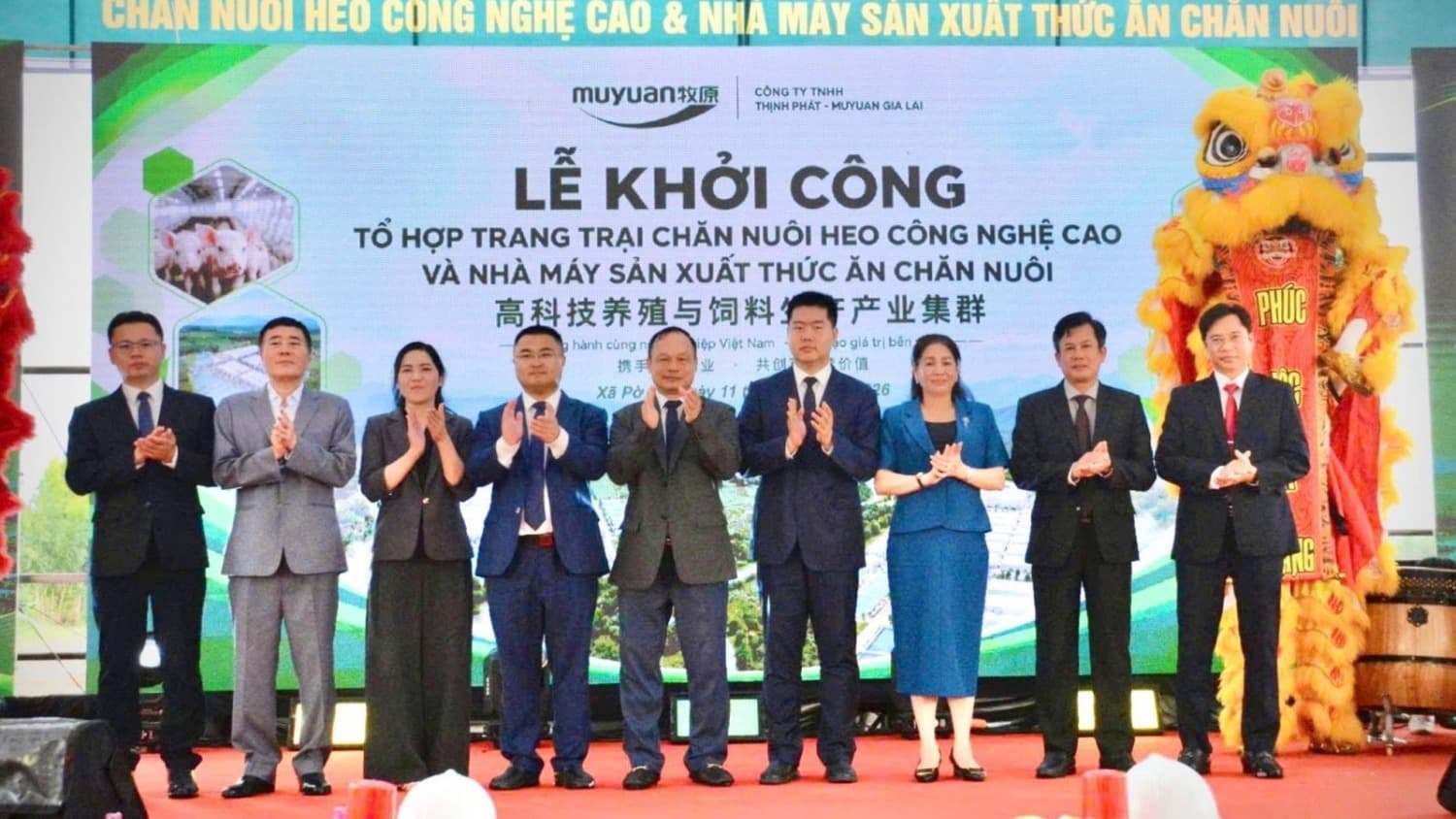
China's Muyuan Invests Approx. 190 Billion Won in Vietnam... Sets Out to Establish 2 Million Head Production System
China's major pig farming company Muyuan is investing approximately $140 million to build a large-scale pig farm and feed factory in Vietnam.
2026.10.19